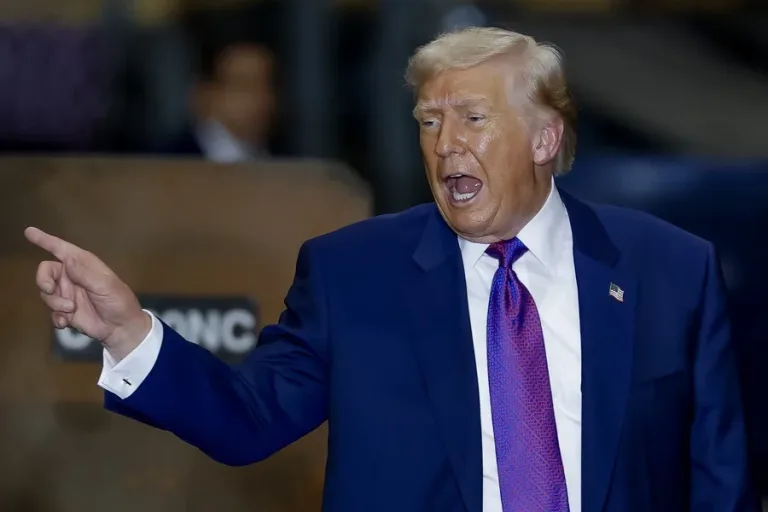
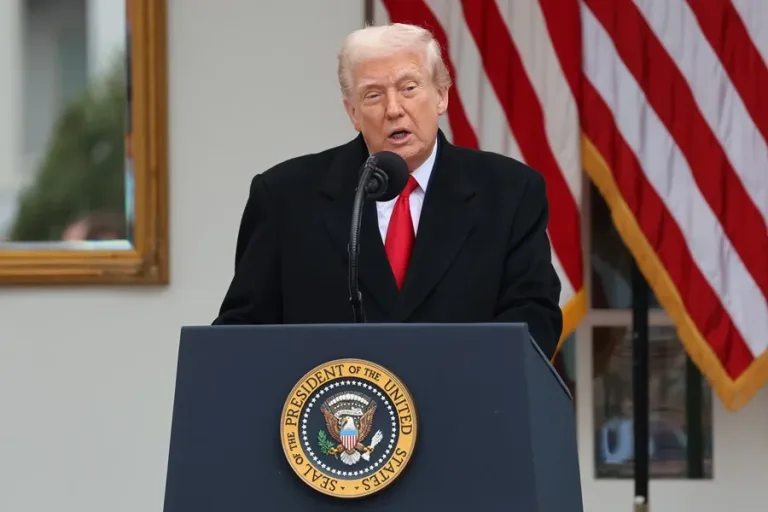
The fever surrounding the 2026 World Cup has brought with it growing concern among immigrant communities. Additionally, less than a month before the ball rolls in U.S. territory, two officials from the Department of Homeland Security (DHS) confirmed that agents from the Immigration and Customs Enforcement Service (ICE) could be present in stadiums during the tournament.
According to information obtained by Telemundo, the immigration agency is offering its personnel to support local police departments with security work in the areas surrounding World Cup venues. On the other hand, the model would be very similar to the backup role that DHS typically plays in high-impact mass events. For example, like the Super Bowl or the famous Kentucky Derby.
However, it has not yet been confirmed whether local agencies will accept the deployment of immigration personnel. Although authorities have tried to send a message of calm, the lack of clarity about how agents will operate has generated alarm among thousands of fans. This is especially evident in communities with mixed immigration status. These communities want to enjoy the World Cup.
Will They Review Fans’ Immigration Status?
The main concern of civil organizations is that security checks in stadiums will transform into hidden immigration filters. Faced with this, the DHS officials cited in the original report assured that, if their personnel is deployed, they will not conduct immigration status checks on spectators or sports venue employees.
“Our agents and officers will provide security when requested, but will not verify people’s immigration status,” declared one of the officials, adding that the use of ICE’s official uniform will depend exclusively on the location and rules of each stadium.
A spokesperson for the Department of Homeland Security reinforced this position, assuring in a statement that the government will work with its local partners to ensure security under the law and the U.S. Constitution. According to the spokesperson, international visitors who arrive in the country legally to attend matches have nothing to worry about during the tournament.
“What makes a person a target of immigration authorities is whether or not they are in U.S. territory illegally, period,” the spokesperson stated. Additionally, he advised tourists to prepare their travel plans and official documentation in advance. This will help avoid logistical setbacks at access checkpoints.
Can People Be Arrested During Matches?
Despite institutional statements of calm, there is a legal detail that keeps human rights advocacy organizations on edge. Federal officials admitted that, to date, there is no internal directive or executive order that expressly prohibits ICE personnel from conducting arrests.