International politics recently added a new and quite peculiar diplomatic episode. Venezuela’s interim president, Delcy Rodríguez, responded firmly to the U.S. Government. She warned this Monday that it would never be possible for her country to change its political status. Specifically, she flatly rejected the notion that the South American nation could become the 51st U.S. state.
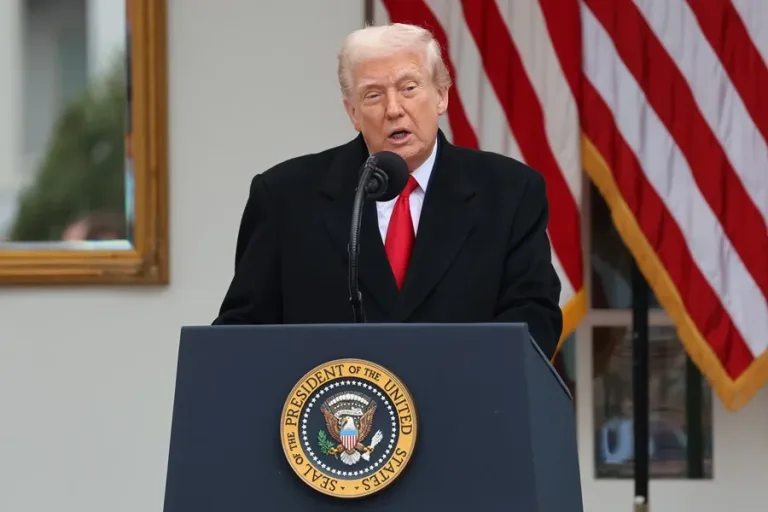
This strong government statement emerged as a direct reaction to recent American comments. Current U.S. President Donald Trump spoke about this controversial geopolitical and territorial possibility. The incident occurred during an interview given this Monday to a Fox journalist. Trump asserted with a defiant tone that he seriously considers that unusual foreign territorial annexation. According to Fox News, the Republican leader claimed that Venezuelans simply love him.
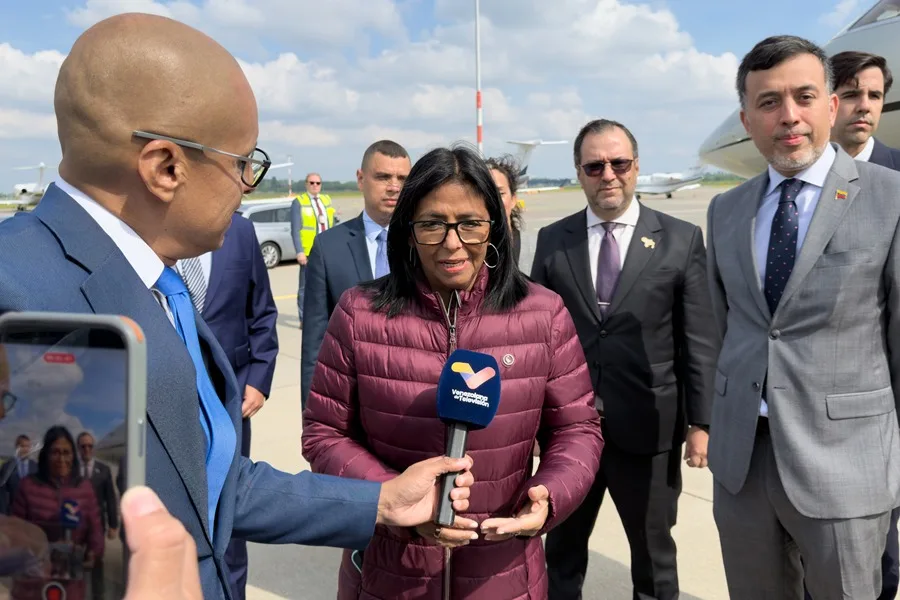
Rodríguez issued her quick and forceful official response from the European city of The Hague. “That is not planned whatsoever,” the high-ranking South American government official stated today. Furthermore, she vigorously defended the national pride and sacred sovereignty of her homeland territory. She emphasized that what Venezuelan citizens possess is a deep love for their country. They greatly value their historic and costly process of national independence against empires.
Why Does Donald Trump Talk About the “51st State”?
This is not the first time the Republican leader has used this striking expansionist rhetoric. Trump had already made very similar political comments in March of this same year. That time, the context was purely sports-related and much more relaxed for the public. The event occurred following Venezuela’s major upset victory over Italy’s team. The South American squad surprisingly won in the semifinals of the 2026 World Baseball Classic.
On that specific occasion, the U.S. leader freely used his Truth Social social network. He publicly joked that very good things were happening to the South American country recently. Subsequently, he launched the controversial and highly suggestive open question to his millions of followers: “Number 51 state?” This type of presidential messaging seeks to generate major media impact and many quick political reactions.
The U.S. president has also joked about other quite unusual and controversial political ideas. On various public occasions, he suggested running in future presidential elections within Venezuela. He even confidently assured that he would have historic electoral support in that Caribbean and oil-rich country. This constant narrative openly challenges traditional diplomatic protocols between both nations of the American continent.
What Is the Official Position of the Venezuelan Government?
Facing these continuous verbal provocations, Caracas maintains a firm but very cautious stance. Rodríguez proudly asserted all of Venezuela’s rich independence history before the international media. She firmly assured that the country will always defend integrity, sovereignty, and absolute independence. Local authorities will not tolerate foreign interference.
The interim president recalled the enormous vital sacrifices of brave national independence heroes. “Our history is a history of glory of free men and women,” she firmly emphasized. She explained that these outstanding historical figures gave their valuable lives for the longed-for total freedom. The ultimate goal was to make Venezuela a free country and not a simple foreign colony.
Despite the evident and constant rhetorical clash, the Venezuelan leader avoided escalating diplomatic tone. She intelligently pointed out that Caracas still maintains a necessary official cooperation agenda with Washington currently. “That is the correct course, that is the path to follow,” the official warned from Europe. According to reports from the Reuters agency, both nations seek to stabilize various and fragile bilateral relations.
Desarrollador de Software
12 años de experiencia