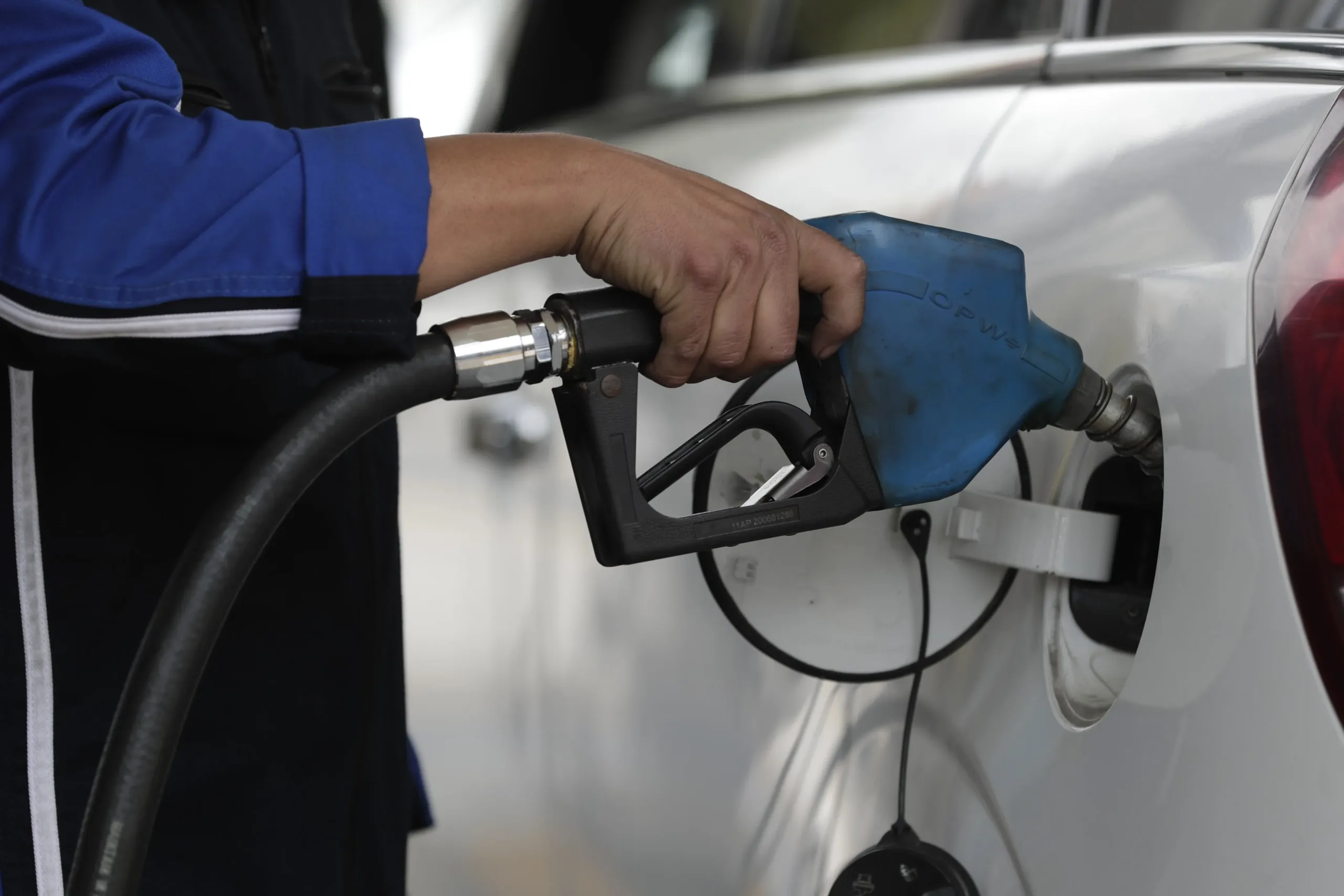
The President Donald Trump sparked an intense debate in Washington this week by announcing his intention to temporarily suspend the federal gas tax. The measure comes as a direct response to the sharp increase in prices at gas stations. The national average cost has already surpassed the historic mark of $4.50 per gallon amid the crisis in the Middle East.
Currently, the United States government charges a fixed federal tax of 18.4 cents per gallon of regular gasoline and 24.4 cents for diesel. This money is not allocated to general state expenses but goes directly into the Highway Trust Fund. This financial reserve is key and is used exclusively to maintain highways, build bridges, and develop major road infrastructure projects across the country.
According to Trump, his administration’s intention is to temporarily eliminate this additional 18-cent charge to provide economic relief to the pockets of Latino consumers and the rest of the country. “We are going to eliminate the gas tax for a period of time, and when the price goes down, we will allow it to be reintroduced gradually,” the Republican leader stated last Monday during an interview.
Why did fuel prices rise so much?
The presidential proposal to freeze the federal levy is not an isolated measure, but a response to the current international emergency. The price of oil and hydrocarbons has skyrocketed dramatically in international markets. This is due to the war initiated by the United States and Israel against Iran. Additionally, there is the subsequent naval blockade imposed by Tehran in the strategic Strait of Hormuz.
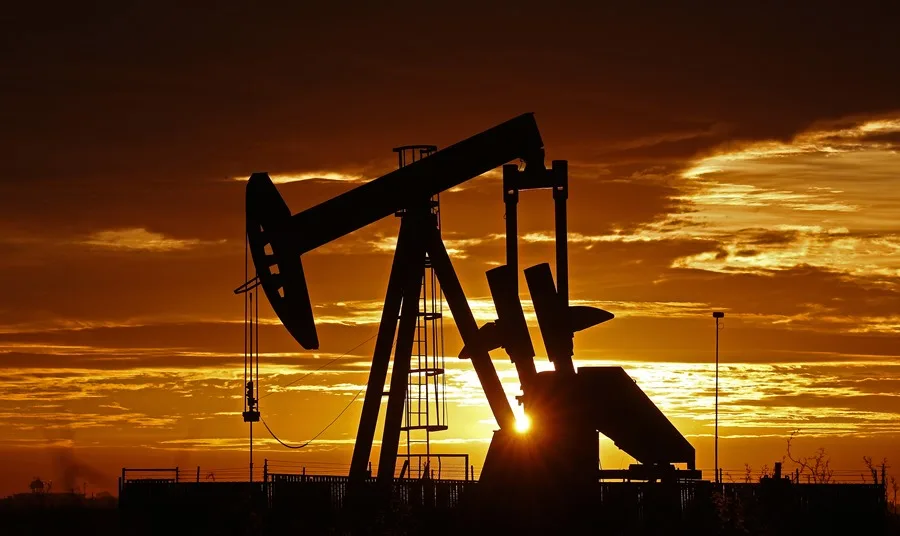
This serious disruption in global trade routes caused supply shortages and pushed the national average price of regular gasoline to $4.52 per gallon at the beginning of this week. According to the AAA automobile association, this record figure represents an economic increase of over 50% since the military conflict began in February.
In the face of this logistics and energy crisis, the relief proposed by Trump would be notable but limited. If the tax is suspended in its entirety, drivers would save exactly 18.4 cents per gallon of regular gasoline. Although the savings on a 15-gallon tank would be only around $2.75, supporters of the measure claim that every cent helps working families mitigate strong inflationary pressure.
Can Trump eliminate the tax by decree?
Despite the public promises made by President Trump, the Executive Branch cannot suspend, eliminate, or modify any type of federal tax unilaterally. For this measure to take effect and for prices to drop at the pumps, the United States Congress must debate, vote on, and pass the corresponding legislation. This requires the support of both Republicans and Democrats.
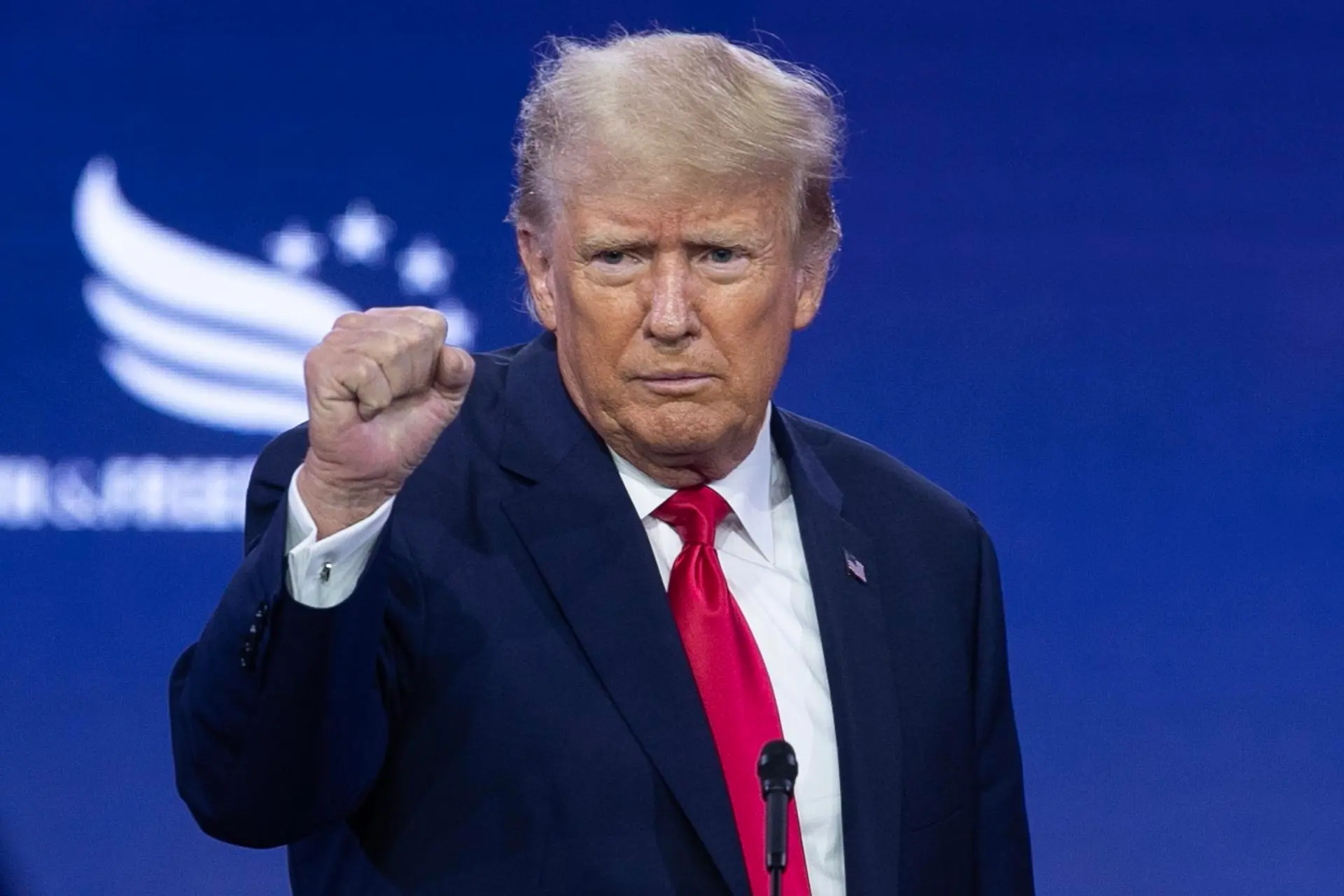
The legislative battle has already begun on Capitol Hill. Some conservative lawmakers have moved ahead to present their own bills. Republican Senator Josh Hawley announced this Monday that he will introduce a law to temporarily suspend the levy. Meanwhile, representatives such as Jeff Van Drew have proposed that the tax pause be extended for at least 18 months.
However, not everyone in Washington supports the idea. The main obstacle is the enormous economic impact it would have on the country’s infrastructure. Experts from the Bipartisan Policy Center estimate that suspending this tax for just five months would cost the government nearly $17 billion in lost funds. Even Republican figures like Senator John Thune have expressed previous doubts. They argue that the Trust Fund could run out of money before 2028 if this vital source of income is cut.
Find out more at Nueva News

Trump Claims Cuba Is “Asking for Help” and Opens Door to Dialogue
Trump claims Cuba is asking for help while tightening sanctions and threatening military control amid...

Venezuela Rejects Trump Calling Them the “51st State” of the USA
Venezuela rejects becoming the 51st state of the U.S. following Trump's controversial statements, defending its...