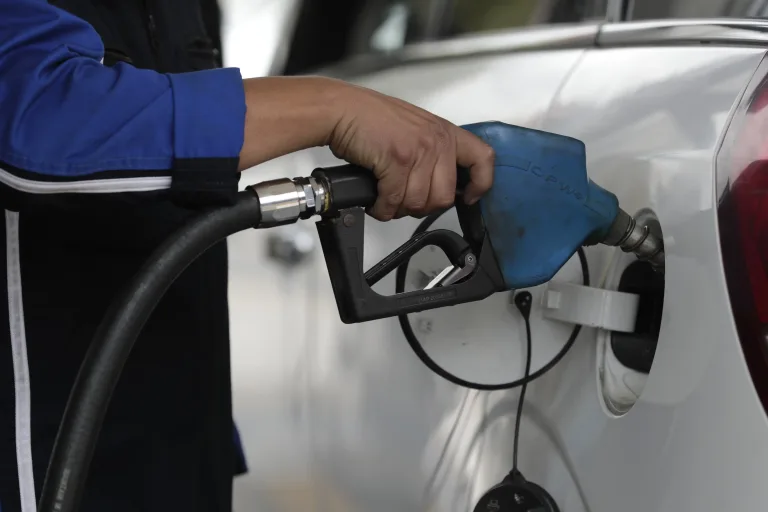
The U.S. federal administration is weighing urgent measures in response to the historic rise in fuel prices nationwide. The initiative seeks alternatives to ease consumers’ daily expenses as they face unprecedented economic pressure. The White House is considering temporarily suspending the federal gas tax due to the sharp increase driven by the conflict with Iran. Uncertainty over the international situation and its impact on the local economy has national authorities on alert.
Energy Secretary Chris Wright said in a recent interview with NBC that the government is seriously considering this option. According to the official, the measure is part of a package of actions aimed at reducing the economic impact on families. Currently, federal taxes total 18.3 cents per gallon for gasoline and 24.3 cents for diesel. In addition, an extra fee is applied to fund the repair of underground tanks with fuel leaks.
This tax structure represents a significant portion of the final price drivers pay at the pump. According to the American Automobile Association (AAA), the national average price of gasoline reached $4.52 per gallon this Sunday. That figure represents an increase of more than 50% since the war with the Iranian nation began. The increase has had direct consequences in the daily lives of millions of people, turning transportation into a central concern.

What impact would suspending the tax have on consumers’ wallets?
The presidential administration reiterated that it fully supports all actions to lower prices at gas stations. Chris Wright said the primary goal is to reduce operating costs for all Americans during this period of crisis. If the suspension goes through, an immediate relief in fuel prices for end users is expected. However, the duration and the real scope of this measure have not yet been publicly defined by the administration.
Historically, the federal tax has been a key source of funding for maintaining essential infrastructure such as roads and highways. These resources feed the Highway Trust Fund, a pillar of the nation’s public works. However, the sharp surge in crude prices has forced the government to reconsider these emergency fiscal mechanisms. The current priority appears to have shifted toward protecting household budgets from global energy volatility.
Industry analysts warn that temporarily eliminating the tax could have a limited effect over time. If international oil prices continue to rise, the 18.3-cent reduction could be quickly absorbed by the market. Refining margins could also adjust, diluting the direct benefit for drivers. Ongoing pressure on the U.S. market remains due to supply constraints caused by the current armed conflict.
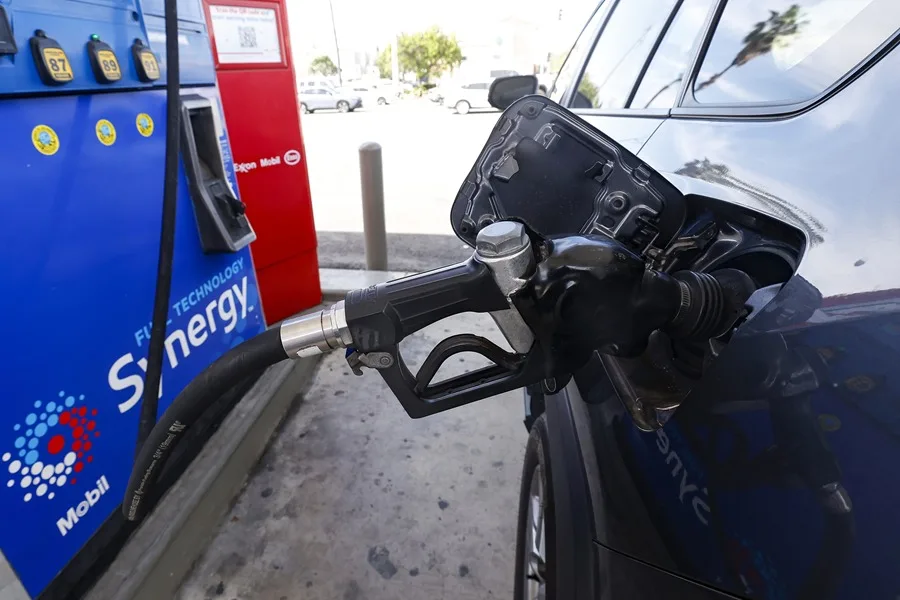
How are drivers’ habits changing amid rising prices?
The sharp rise in fuel costs is profoundly changing consumption habits across all U.S. states. According to a survey published by The Washington Post in late April, 44% of adults reduced how often they drive. This decision aims to cope with higher prices by cutting nonessential trips or using alternative transportation. The forced adjustment in routines underscores the severity of inflation in today’s cost of living.
In addition, 34% of respondents changed their travel or vacation plans to avoid excessive spending on ground transportation. An alarming figure is that 42% of citizens cut other basic household expenses to be able to cover fuel costs. These numbers reflect financial strain that primarily affects middle- and low-income households in the country. The need for mobility has become a luxury that forces families to sacrifice other essential needs.
The federal government has not yet specified whether the suspension would apply exclusively to gasoline or also include diesel. The latter is vital for transporting goods, and its cost directly influences the final price of food. Nor has it been detailed how the drop in revenue earmarked for public infrastructure projects would be offset. The internal debate reflects the difficulty of balancing quick economic relief with sustaining state services.

Is suspending the tax a definitive solution to the energy crisis?
Suspending the federal tax is shaping up only as an emergency tool to mitigate the immediate impact on wallets. Analysts agree that the long-term solution will depend on stability in international energy and crude markets. As long as the conflict with Iran persists, the outlook will remain open to new fluctuations that could nullify any domestic fiscal effort. Crude oil volatility remains the determining factor for prices at local pumps.

Golden Trump statue in Florida sparks controversy
Cryptocurrency investors fund and install a massive golden statue of President Donald Trump at his...

Venezuela Rejects Trump Calling Them the “51st State” of the USA
Venezuela rejects becoming the 51st state of the U.S. following Trump's controversial statements, defending its...
Millions of drivers are awaiting concrete details on this measure that could provide temporary relief to their daily budgets. Transportation companies are also closely monitoring White House announcements to adjust their logistics and distribution rates. The administration’s challenge is to deliver tangible results before public discontent over inflation grows. The policy’s effectiveness will depend on close coordination with energy refiners and distributors.
Finally, the U.S. economy faces a testing scenario in which energy is the main driver of national financial uncertainty. The Highway Trust Fund could require special allocations from the general budget if the tax remains suspended for too long. Lawmakers in Congress will have to assess whether this revenue sacrifice justifies the momentary relief citizens would receive. The final decision will set the course of U.S. energy tax policy in this complex 2026.