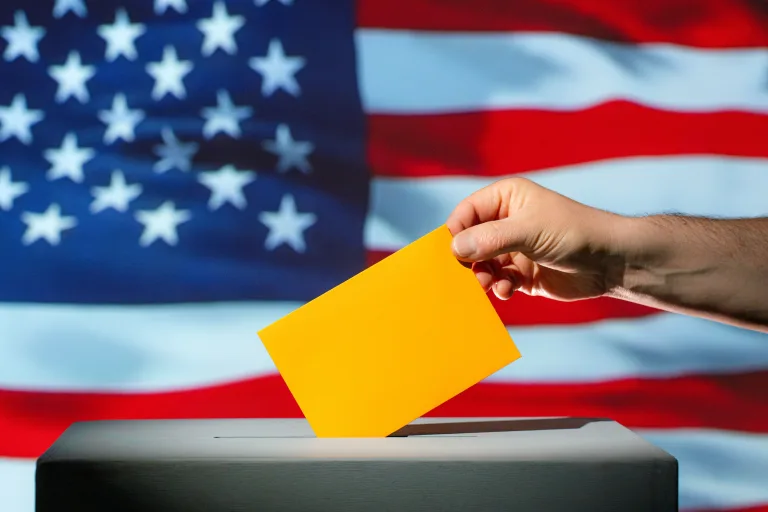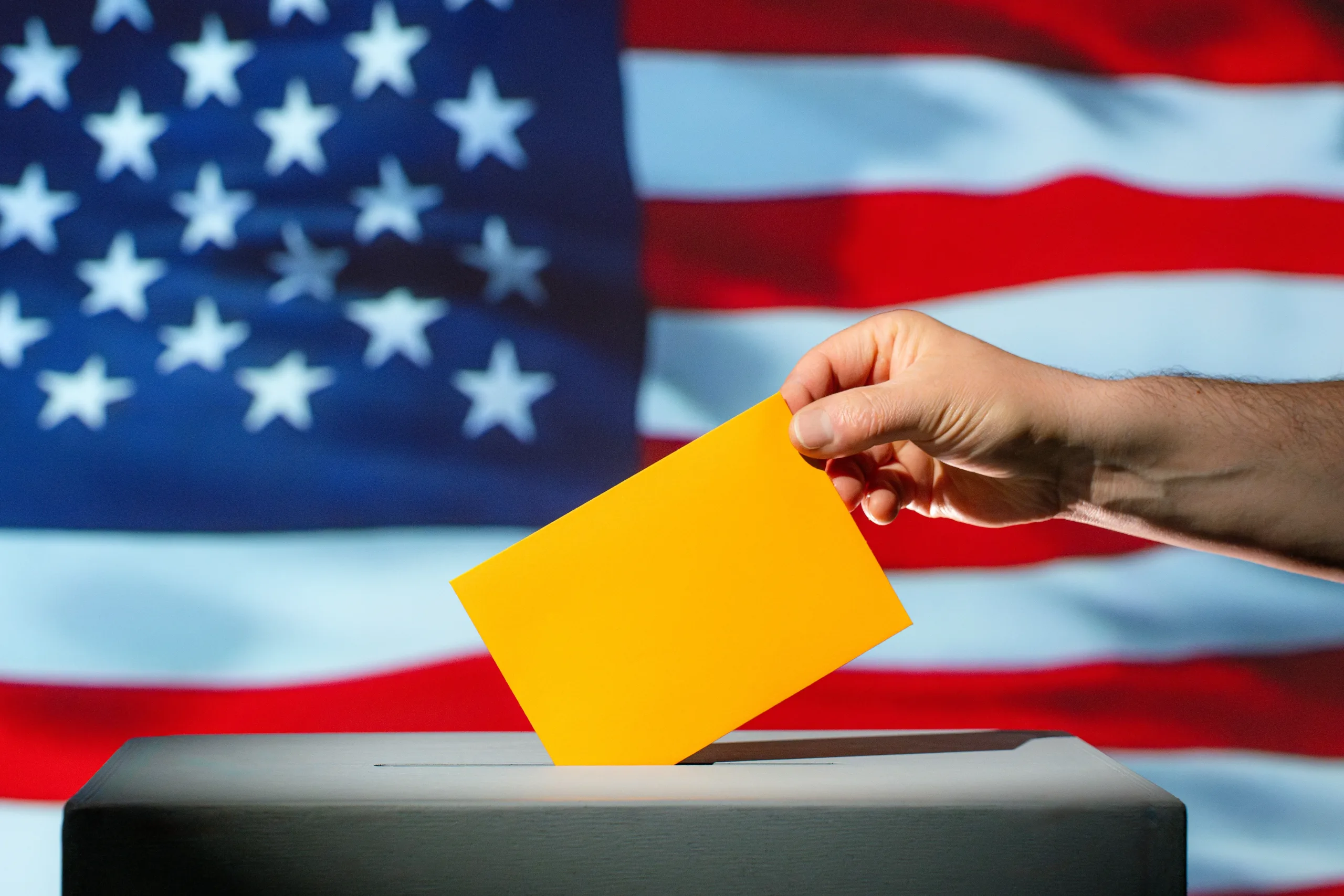
The political landscape of the United States is experiencing a profound transformation on the eve of the 2026 midterm elections. Latino and independent voters have consolidated a strategic position that challenges the country’s traditional two-party system. According to a recent report from research firm ThinkNow, unaffiliated Hispanic voters exceed Republican sympathizers in percentage. This trend could define the balance of power in Congress during the November elections.
Historically, the Hispanic community has maintained a majority inclination toward the progressive political spectrum. The study confirms that 53% of Latino voters currently identify as Democrat. However, the surprise lies in the intermediate segment. Independents now account for 22% at the national level, leaving Republicans in third place, who capture only 18% of support. This neutral bloc thus becomes the coveted object of desire for both campaigns.
The general polarization of the American population contrasts with the flexibility of Hispanic voting. Among the general electorate, positions show a clear divide: 36% support Democrats, 34% Republicans, and 24% identify as independent. Nevertheless, the participatory enthusiasm of the country’s largest minority remains at record levels. 82% of Latino voters affirmed that they plan to exercise their right to vote in the upcoming legislative elections.
What are the main economic concerns driving Latino voters?
Wallet issues are the determining factor for the Hispanic community in 2026. Inflation and housing costs position themselves as the greatest sources of financial stress. The ThinkNow report highlights that price increases concern 81% of the general electorate. Breaking down by party, concern affects 82% of Democrats, 79% of Republicans, and 76% of independents.
Rising housing costs have a disproportionate impact among Latinos and Democratic sectors. Due to the economic policies of President Donald Trump’s administration, many families have modified their daily habits. Nearly half of surveyed Hispanics decided to reduce their personal automobile use. The high cost of gasoline has become unsustainable for tighter family budgets.
President Donald Trump’s management faces an adverse landscape within this demographic sector. The study reveals that 54% of Latinos disapprove of his work leading the Executive branch. In contrast, only 28% express approval of White House leadership. These economic and political indicators configure a potential punishment vote that independent strategists seek to capitalize on.
How do Hispanics consume political information in the digital age?
Digital platforms have completely displaced conventional media. 60% of Latino voters prefer to inform themselves about politics through social networks. This percentage far exceeds audience indices for local television, cable, radio, and print newspapers. Media consumption has moved from the traditional screen to the mobile phone.
Audiovisual format is the undisputed king within the multicultural community. More than half of surveyed Latinos consume political video content regularly. Despite this high passive consumption, active participation in digital debates remains minority. Users prefer to analyze information in silence before issuing comments on their public profiles.
Political campaigns such as those from the Democratic Congressional Campaign Committee have quickly captured this digital migration trend. Their advertising efforts are now concentrated on platforms like Instagram and Facebook. The objective is to connect directly with young and multicultural voters. The effectiveness of these social media ads will determine mobilization on election day.
What key states will be defined by the independent electoral bloc?
California positions itself as the epicenter where young people and Latinos will decide the course of Congress
Trump Drops in Polls, Nears Biden’s Worst Approval Levels
President Donald Trump is experiencing one of the most challenging periods of his public career...
California Candidates: Debate on Housing, Climate, and Education
Less than three weeks before the primary elections, the race for California's governorship has entered...