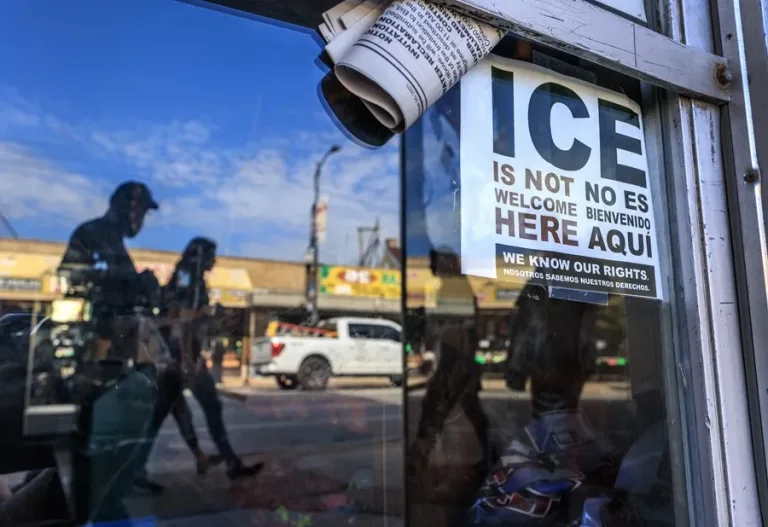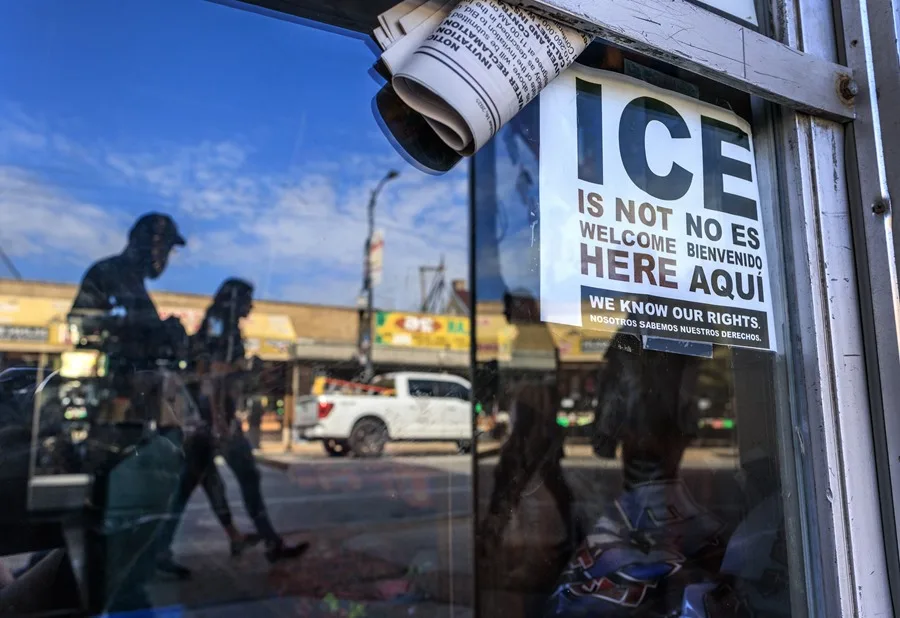
Migration tensions in the United States have reached a critical new point in Minnesota state courts. The Hennepin County Prosecutor’s Office filed four formal charges on Monday against an agent from the Immigration and Customs Enforcement Service (ICE). Local authorities accuse the officer of shooting a Venezuelan citizen during a massive deployment. This incident has reignited the debate over the limits of federal power and the use of force in immigration control operations.
The formal accusation identifies the federal agent as Christian Castro, 52 years old. The official is charged with the felony of second-degree aggravated assault, along with a charge of filing a false report, considered a misdemeanor. According to information published by The New York Times, the criminal charges stem from an exhaustive investigation into events that occurred earlier this year. The case has generated significant public uproar due to the nature of those involved.
The direct victim of the shooting was Venezuelan immigrant Julio C. Sosa Celis. The South American citizen was wounded in one of his legs during the operation known as Operation Metro Surge. This federal initiative was described as the largest immigration detention campaign ever conducted by the Department of Homeland Security (DHS). The mobilization of thousands of federal agents completely transformed community dynamics in various localities throughout the state.
What Was Operation Metro Surge and Why Did It Generate Mass Protests?
Operation Metro Surge constituted an unprecedented effort by the federal government to intensify arrests of undocumented persons. The operation mobilized a contingent of 4,000 agents belonging to ICE and the Border Patrol (CBP). This show of force provoked immediate rejection from various civil organizations and immigrant rights advocates. The streets of cities like Minneapolis became the scene of massive protest demonstrations.
The toll of federal intervention in local communities was severe and violent. In addition to multiple residents injured in the operations, armed actions resulted in civilian deaths. Citizens Renee Good and Alex Prett died after being shot by federal agents during the incidents. Sosa Celis is part of a group of three people who were shot and wounded during these controversial raids.
The severity of civilian consequences prompted local prosecutors to launch independent investigations. Castro has become the second federal agent charged with felonies stemming from this campaign. The mass detentions not only disrupted social peace but also opened a complex legal case file. Now, state justice seeks to determine the individual criminal responsibilities of officers who used force against residents.
How Was the Conflict of Versions Between Authorities Resolved?
The filing of charges against an ICE officer sparked a strong institutional clash between state and federal governments. The Department of Homeland Security initially alleged that Minnesota authorities lack legal jurisdiction. The federal argument relied on the Supremacy Clause of the United States Constitution. This provision establishes that federal directives prevail over laws enacted by individual states.
However, Minnesota’s judicial officials responded with legal firmness to these objections. “His federal badge does not exempt him from state charges for his criminal conduct in Minnesota,” declared prosecutor Mary Moriarty according to reports from The New York Times. Local investigators maintain that the immunity of government agents is not absolute in the face of clear criminal acts. This stance sets an important precedent in prosecuting federal police abuses.
The identification of Castro as the alleged shooter required arduous local investigative work. During evidence collection, state investigators heard FBI members mention the suspect’s name at the scene. Despite this evidence…