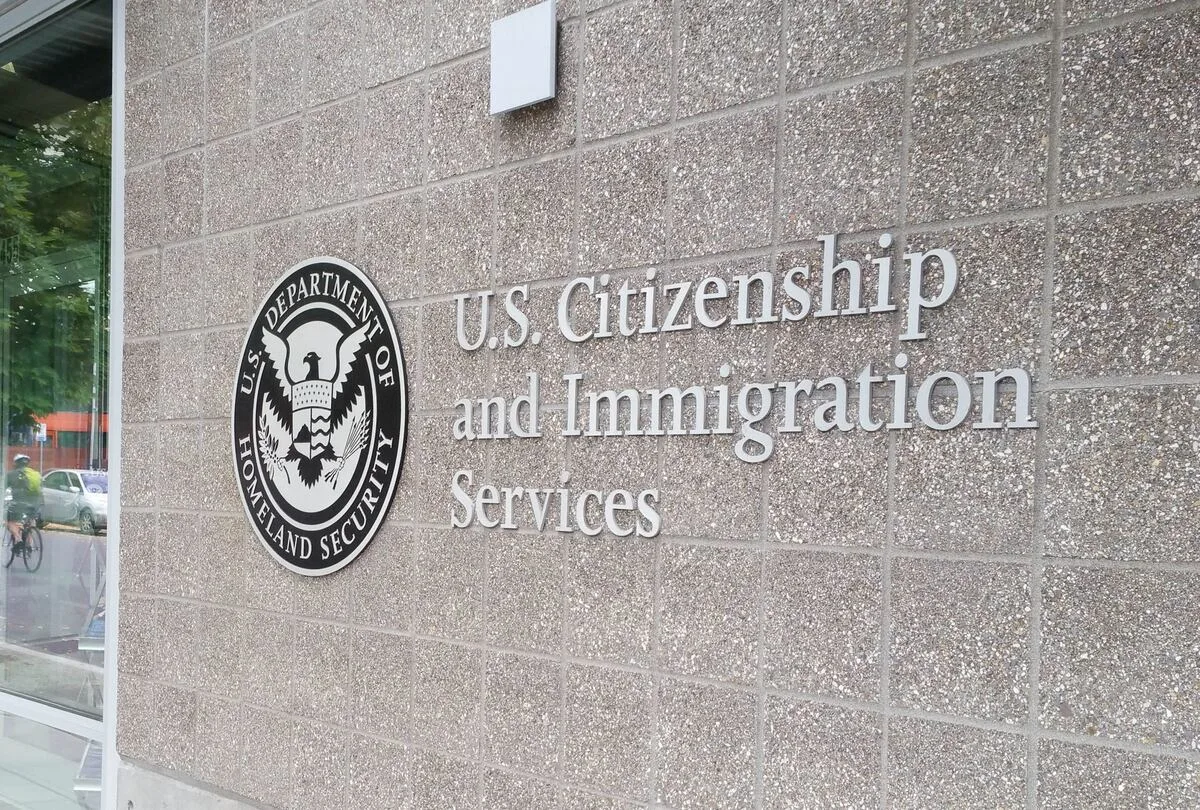
Rumors of a supposed halt in naturalization proceedings have raised alarms within the immigrant community in the United States. Various social media posts suggest that the U.S. Citizenship and Immigration Service (USCIS) stopped its citizenship appointments. In response to this situation, the federal agency formally declared that this claim is completely false. According to official spokespersons, naturalization interviews continue and are being conducted uninterruptedly throughout the country.
Despite official denials, the reality in legal advisory offices tells a different story. Lawyers and community organizations report severe delays in their clients’ cases. Many permanent residents planned to naturalize in time to register and vote in the November elections. However, new national security policies implemented since late 2025 have created a climate of deep anxiety.
The administrative secrecy that characterizes the Department of Homeland Security (DHS) makes it difficult to verify these processes. Congress does not have access to independent audits of the new control mechanisms. This lack of transparency fuels uncertainty among N-400 form applicants. While the agency denies an election suspension, waiting times continue to extend drastically.
What regulatory changes are causing delays in naturalization appointments?
The origin of the delays dates back to August of last year, when USCIS published directive PM-602-0188. This regulation re-established an extremely rigorous standard for evaluating the moral character of foreign nationals. The regulation requires a comprehensive review of the applicant’s behavior and adherence to social norms. However, the document does not detail specific parameters for measuring or rating these subjective concepts.
Immigration law professionals criticize the ambiguity of this expanded verification measure. Existing law already clearly stipulates which felonies disqualify a person from obtaining citizenship. For this reason, experts cannot explain why the agency insists on tightening evaluation criteria. Before this rule, average processing time ranged between 7.5 and 11.5 months. After its implementation, the backlog of applications began to grow excessively.
As of September 30, 2025, the agency had accumulated a total of 534,458 pending N-400 applications awaiting resolution. Among these cases are almost 10,000 petitions from active members of the Armed Forces. The massive accumulation shows that the new security filters are slowing down a system that was already operating under pressure. The delays uniformly affect civilian and military applicants throughout the country.
| Type of Immigration Process (Figures as of end of 2025) | Volume of Accumulated Applications |
| Form I-130 (Family Petitions) | 2,357,348 |
| Form I-765 (Work Permits) | 1,726,897 |
| Form I-589 (Affirmative Asylum) | 1,435,560 |
| Form I-485 (Status Adjustment) | 1,243,867 |
| Form I-821 (Temporary Protected Status – TPS) | 1,173,699 |
| Form N-400 (Citizenship by Naturalization) | 534,458 |
How does the review policy affect countries classified as high-risk?
The situation became even more complicated on January 1 with the implementation of a new restriction. The government ordered the suspension and review of applications submitted by