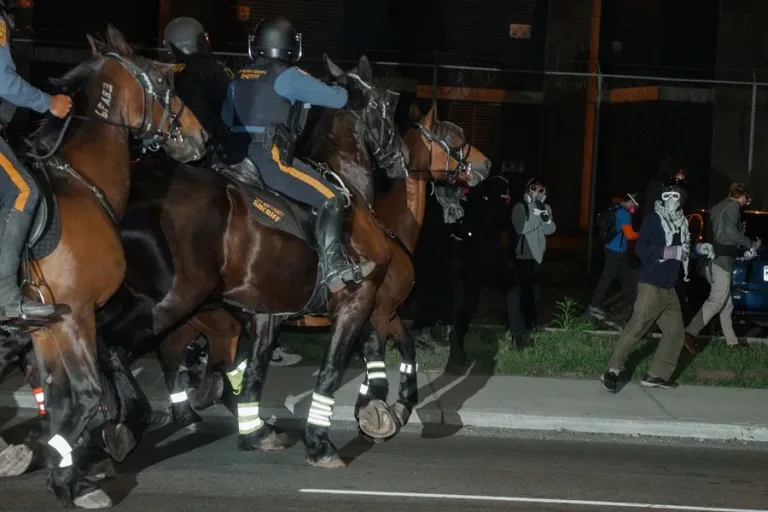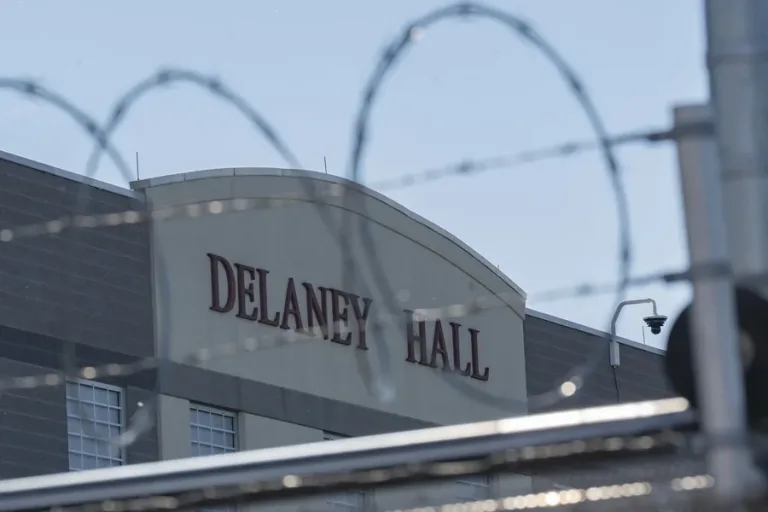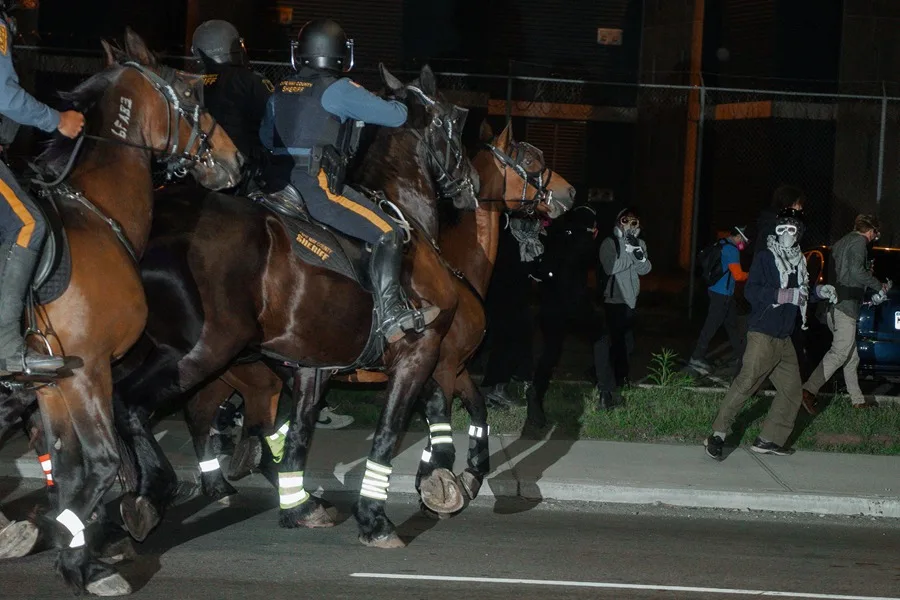
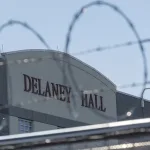
Tensions in New Jersey have reached a critical point. Newark Mayor Ras Baraka has imposed a strict curfew around the Delaney Hall immigration detention facility. The measure went into effect early Sunday morning. This decision seeks to halt intense clashes between protesters and local law enforcement.
The traffic restriction prohibits free circulation between 9:00 p.m. and 6:00 a.m. until further notice. Additionally, authorities completely closed Doremus Avenue to all pedestrian traffic beginning at midnight. Vehicle access was strictly limited to those with official business in the area, blocking passage to the general public.
Delaney Hall, the epicenter of the conflict, has a capacity for 1,000 people in immigration custody. The facility has drawn public scrutiny due to allegations of poor living conditions inside. The municipal intervention seeks to stabilize an industrial area that became a political battleground.
How Does the Curfew Affect Latino Community Routines?
The Latino community in Newark suffers direct impacts from these nighttime circulation restrictions. Many families of detainees used the evenings to hold vigils and maintain closeness with their loved ones. The new schedule drastically reduces opportunities for community gatherings around the detention facility perimeter.
Moreover, the affected area hosts significant industrial activity with extended nighttime shift workers. Those who clean, transport merchandise, or monitor factories on Doremus Avenue now face detours and rigorous police controls. The cost of nighttime mobility has increased significantly due to long waits at vehicle checkpoints.
Migrant support networks have had to restructure their entire humanitarian assistance logistics. The inability to maintain nighttime relief operations forces protests to concentrate solely during daytime hours. The environment generates fear among undocumented residents, who avoid circulating in the area to escape interrogations.
What Sparked the Conflict at Delaney Hall?
Protests in front of Delaney Hall are not a chance event; they began early this month. Human rights organizations reported that a group of detainees initiated a prolonged hunger strike. The inmates demand adequate food, dignified medical care, and humane treatment from guards.
This hunger strike quickly transformed the facility into a symbol of rejection of the federal government’s immigration policy. Activists from across the state mobilized to Newark to highlight the situation of the detained. Tensions accumulated over weeks erupted into two consecutive nights of violence and direct street clashes.
New Jersey state police had to relieve federal immigration control agents last Friday. The strategic shift militarized containment through the use of metal barriers and heavy concrete blocks. Despite the new deployment, popular outrage continued defying limits established by law enforcement agencies.
What Level of Violence Are State Authorities Reporting?
New Jersey Governor Mikie Sherrill described a concerning escalation of violence in the conflict area. In an official statement, Sherrill denounced the infiltration of masked individuals within peaceful marches. According to the governor, these subjects attacked protective barriers installed by state police.
Indignación por mensaje a agentes del ICE: “Denles con todo”
Bovino desata polémica al respaldar a ICE en Delaney Hall; crecen protestas, denuncias de abuso...
Outrage Over Message to ICE Agents: “Give it to them with everything”
Former Border Patrol General Commander Greg Bovino sparked controversy after posting a message supporting ICE...
Official reports indicate that radical protesters hurled projectiles against police lines and burned tires on public roads. Vehicles were even set on fire near Delaney Hall’s main structure. Sherrill stated that these reckless actions endanger both the hunger strikers and uniformed officers.
Faced with this situation, the governor made an urgent appeal for public calm to prevent greater tragedy. Sherrill insisted that violence diverts attention from the true demand: improving conditions for inmates. The ultimate goal, according to her statements, should be the permanent closure of these detention facilities.
When Will Family Visits Resume?
In the midst of the crisis, Governor Sherrill announced a measure to ease the anguish of affected families. The federal government authorized the reopening of family visits inside Delaney Hall beginning Sunday. Community visits had remained suspended since the start of the disturbances for security reasons.
The U.S. Department of Homeland Security confirmed the decision through an official press release. The agency directly clarified that the suspension was exclusively due to the violent disturbances of previous nights. With the establishment of the secure perimeter through the curfew, relative access is now viable.