The political landscape in Washington is experiencing a drastic shift that is raising alarms within the White House. President Donald Trump is currently going through one of the most complex and challenging moments of his entire public trajectory. New opinion polls reveal that the chief executive is registering alarming levels of public disapproval for his administration. These negative figures resemble with troubling accuracy the worst ratings that Joe Biden faced during 2024. The wear from economic management and global tensions are beginning to take a very high toll.
Statistical data recently published by the prestigious market research firm YouGov confirms the downward trend. The U.S. head of state reached a net disapproval index of -22 percentage points. This result stems from a mere 36% of citizen support against a strong 58% of manifest disapproval. Although the Republican leader has historically demonstrated great resilience, analysts warn that this decline appears structural.
The greatest concern for officials in the campaign strategy does not rest solely on the harshness of the current cold data. The truly alarming factor is the temporal persistence of the negative trend across different voter segments. The chief executive has gone more than two consecutive months without surpassing the 40% threshold of favorable opinions. This lack of statistical rebound breaks with the typical behavior that characterized the popularity cycles of the president.
What Economic Factors Are Destroying the President’s Popularity?
David Montgomery, political analyst at YouGov, explained that previously the chief executive’s bad weeks were quickly offset by subsequent polls. However, that phenomenon of immediate recovery has ceased to manifest in demographic studies this year of 2026. Persistent inflation is consolidating itself as the main driver of public discontent in urban centers. Although the national productive apparatus avoided severe recession, the daily increase in basic products is hitting households.
The Consumer Price Index indicators reflect that costs are advancing at a rate far superior to wages. This economic gap unfavorable to middle-class workers had not been recorded in the country for three years. To this complex situation is added the sustained increase in wholesale market prices. Official records show an annual increase of 6%, representing the largest increase in this indicator in four years.
The average voter’s wallet directly associates the loss of purchasing power with decisions of the federal Executive. Economic analysts point out that the perception of material stagnation neutralizes any optimistic discourse issued from official channels. Just as occurred with the previous Democratic administration, the cost of the basic food basket defines the mood of the electorate. Inflation thus becomes the most difficult political adversary for Republicans to combat.
How Do International Conflicts and Fatigue Influence Public Perception?
The complex front of foreign policy represents another flank of severe wear on the image of the first U.S. chief executive. In the past, public opinion harshly criticized the Biden administration for the Afghanistan withdrawal and the Gaza war. Currently, the Trump government faces severe questioning over its strategy regarding the delicate armed conflict with the nation of Iran. This situation of high geopolitical tension has caused unusual fractures and intense internal debates among conservative sectors.
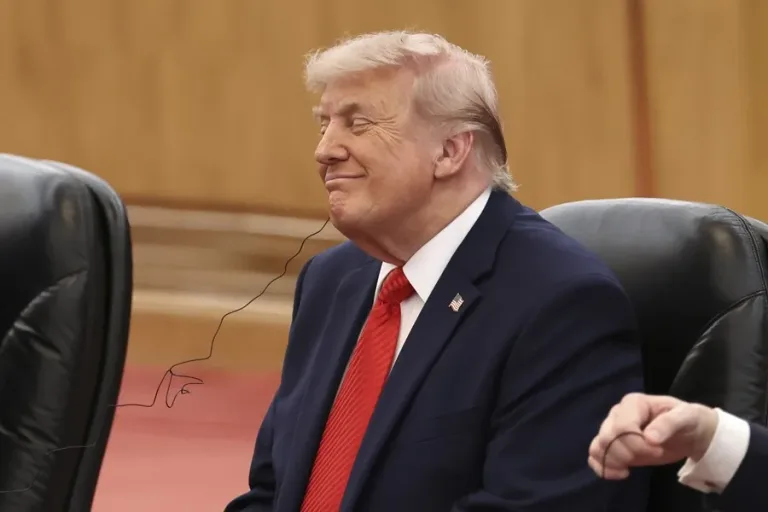
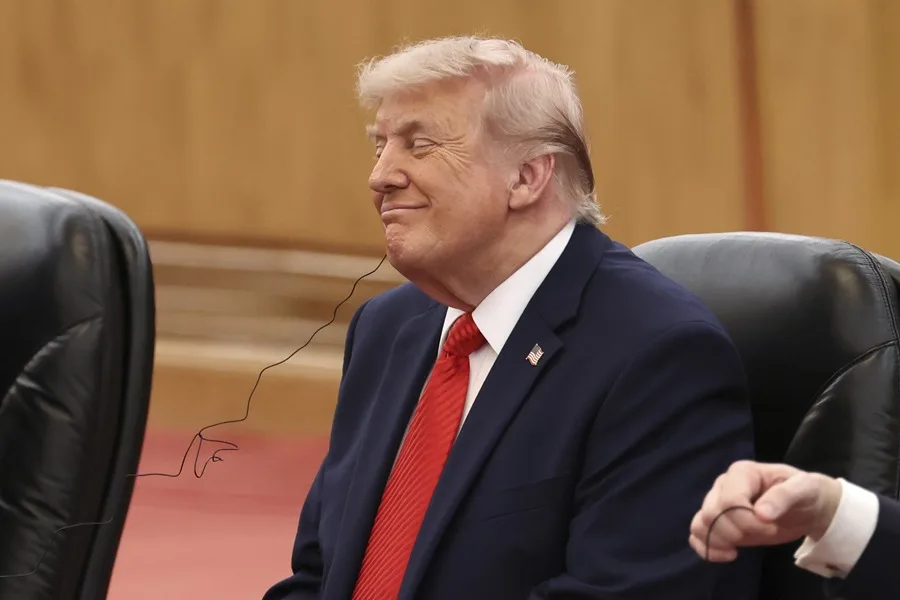
On the other hand, the advanced age and physical wear of the president are again firmly establishing themselves in daily discussion. During the previous elections, Democratic leadership suffered constant attacks due to evident lapses of confusion and institutional exhaustion. Now, opponents and media are pointing to Trump for apparent moments of fatigue at international summits. These televised episodes of physical weakness undermine the narrative of strength that the chief executive has always tried to project.
The accumulation of simultaneous crises generates a sense of widespread instability that affects expectations for the country’s development. A significant proportion of U.S. citizens believe that the current executive direction