Fear of deportation has transformed everyday activities into impossible challenges for hundreds of families in Arizona. In the border city of Tucson, the undocumented population faces a silent humanitarian crisis within their own homes. Various local community organizations decided to unite to create an assistance program called ‘La Bodega’. This citizen initiative is responsible for distributing basic food and personal hygiene items directly to the homes of those affected. The main goal is to mitigate hunger for those who have decided to completely isolate themselves from the public environment.
The severity of the situation is reflected in the testimonies of the project’s beneficiaries themselves. A Mexican migrant, identified under the name of María, received with tears one of the weekly supply boxes. The packages include essential products such as flour, soup, canned vegetables, oil, sugar, tortillas, eggs, and fresh legumes. For this mother of a family, the shipment represents the only sustenance available for the next seven days. Her family unit was recently torn apart following the detention of her husband and son by immigration authorities.
Immigration and Customs Enforcement (ICE) has intensified its operations throughout Arizona. The volunteer initiative was born as a direct response to systematic harassment under the current administration of President Donald Trump. According to statistical reports from the Migration Policy Institute, the current administration has deported more than 600,000 undocumented immigrants. This persecution scenario has paralyzed commercial activities in Hispanic neighborhoods, emptying the traditional streets of the locality.
Why Are Tucson’s Migrants Afraid to Go Grocery Shopping?
Public life for the Latino community has become an unacceptable risk in recent months of 2026. Shopping centers and local convenience stores have become frequent targets of surprise detention operations. Lucía Vindiola, main organizer of the project, explained that the need for basic food became a priority after speaking with residents. “People are very afraid to go to stores to buy even the most essential things like food,” Vindiola stated.
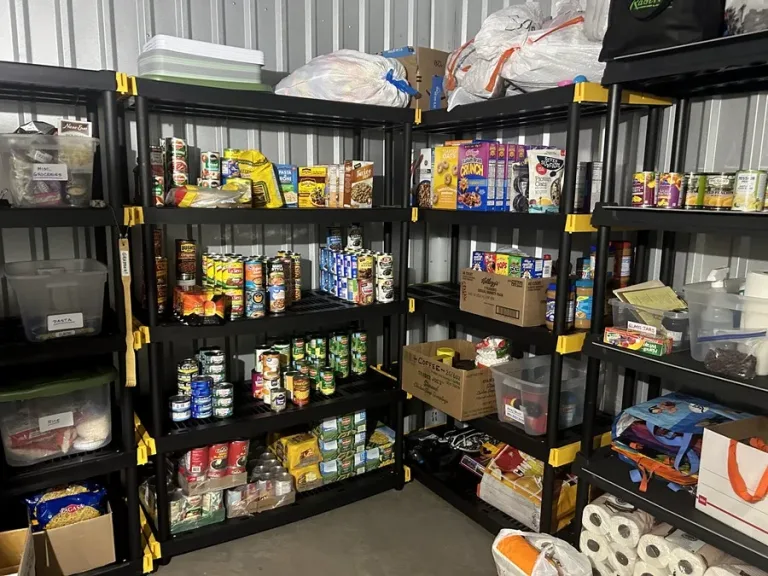
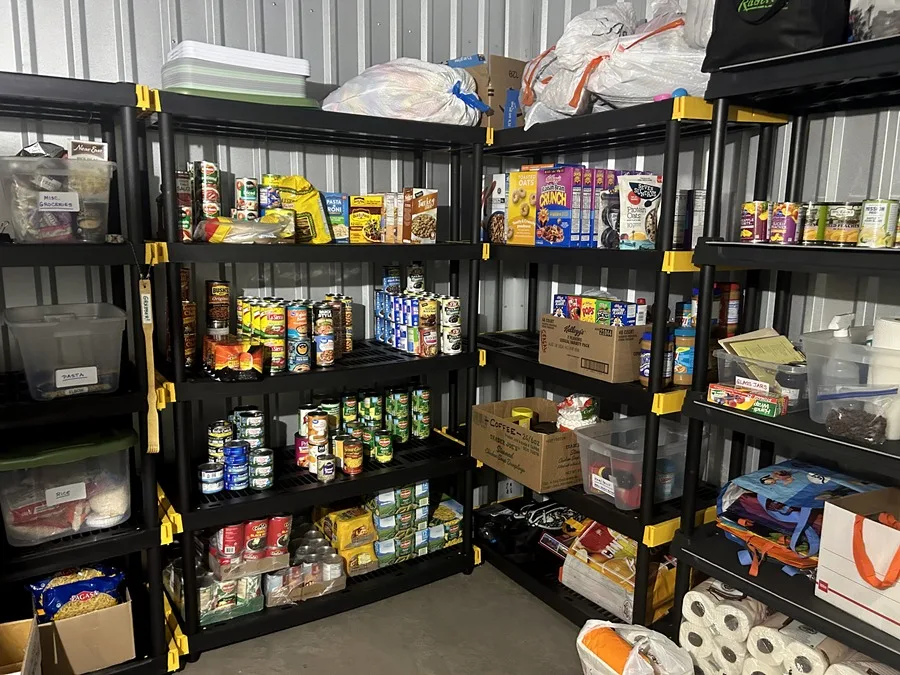
This social paralysis has caused food shortages to directly affect the most vulnerable population within families. Human rights activists regret that there are children going hungry due to the forced confinement their parents suffer for safety. Faced with this reality, the volunteer team continuously collects monetary and in-kind donations from civil society. Subsequently, they rented a warehouse with industrial refrigeration systems to properly store all received goods.
| Hygiene Item Included | Benefit for Families |
| Toilet paper and napkins | Covers basic sanitary needs |
| Toothpaste and toothbrushes | Maintains children’s oral health |
| Shampoo, soap, and deodorant | Ensures daily personal hygiene |
At least once a month, civil brigades gather at the collection center to assemble distribution packages. In addition to basic food items, activists prepare bags with essential personal hygiene supplies. Direct delivery seeks to prevent people from being exposed to federal patrols that roam the commercial districts of Tucson. Each box delivered represents temporary relief against the constant psychological pressure exerted by immigration control authorities.
How Does Pressure from Federal Agencies Affect Family Livelihood?
The emotional climate within Tucson’s neighborhoods is described by human rights advocates as genuine terror. On public roads, activists frequently report finding vehicles abandoned in the middle of streets. These vehicles belong to parents who were suddenly arrested while heading to their jobs.