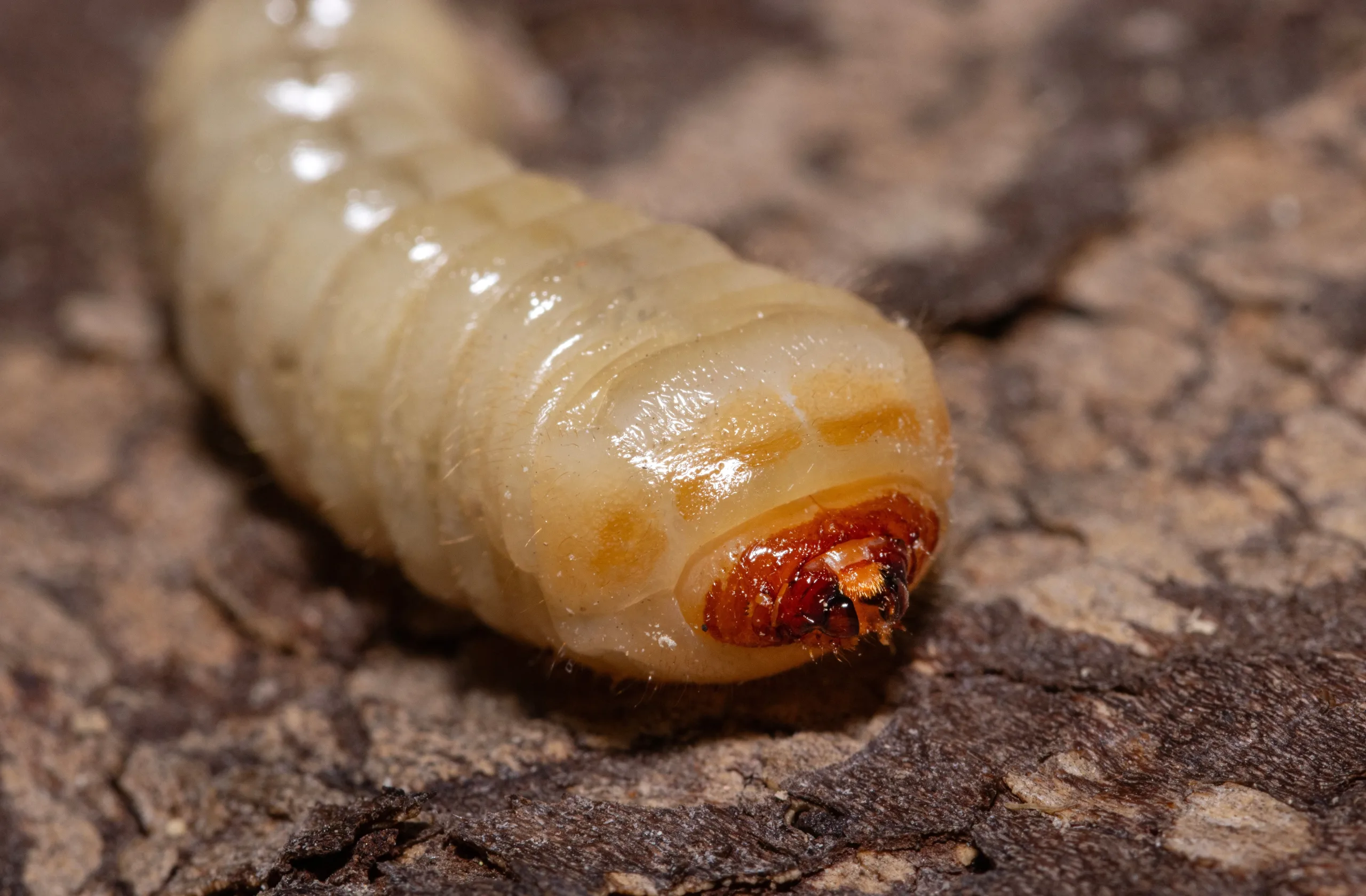
The U.S. Department of Agriculture confirmed 2 recent detections. It is the dangerous New World screwworm in Texas. The new cases occurred specifically in La Salle and Andrews counties. This sudden resurgence has generated enormous community concern.
The recent infections affected a young calf and a domestic dog. Health authorities are conducting exhaustive epidemiological investigations at both affected locations. This plague represents a very serious threat to all Texas livestock. It also severely affects the wildlife of the border region.
On Friday, June 5, another positive case had been reported. It occurred in a calf located in the nearby Zavala county. The country had successfully eradicated this carnivorous parasite in 1966. An isolated outbreak during 2017 in Florida was the only previous exception.
What is the screwworm and how does it attack?
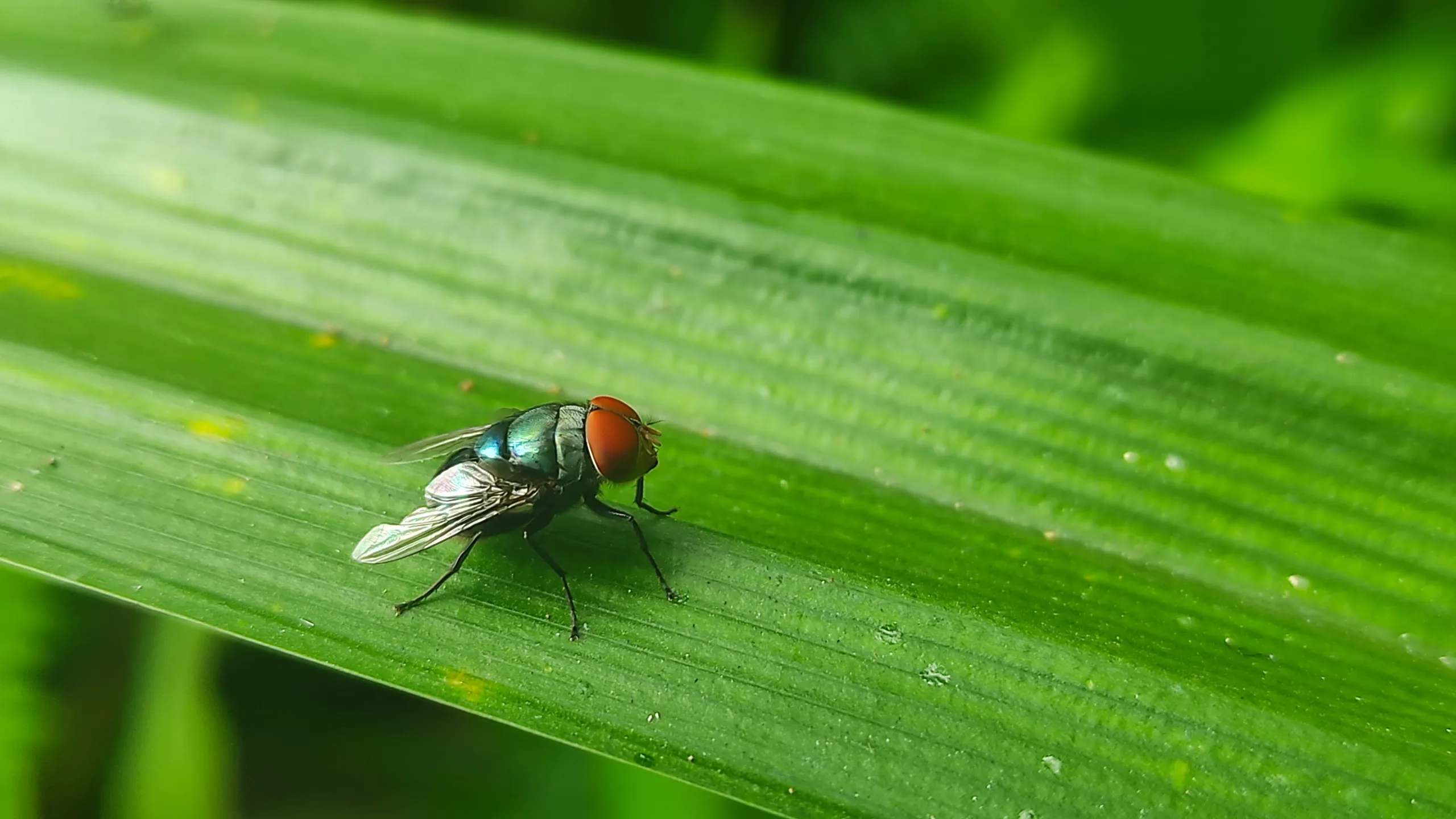
The screwworm is the larval stage of a specific fly. The transmitting flies deposit their eggs directly in fresh open wounds. They can also place eggs on the mucous membranes of living animals. They frequently seek areas such as the umbilicus of newborn animals.
When the larvae hatch, they begin to rapidly feed on living tissue. This creates deep and extremely painful lesions for the affected animal. According to El Financiero, infestation can cause death in just 2 weeks. The physical suffering of animals is a major ethical concern.
The lethal parasite is not transmitted directly from one animal to another. The true health threat comes from the adult fly in flight. Domestic pets and wildlife are also very vulnerable. Therefore, owners should keep their yards clean at all times.
What is the impact on industry and families?
The reappearance of the parasite deeply concerns southern American ranchers. The larvae cause serious wounds and very significant economic losses annually. High veterinary costs and animal deaths affect budgets. The national meat industry is closely monitoring this unusual health situation.