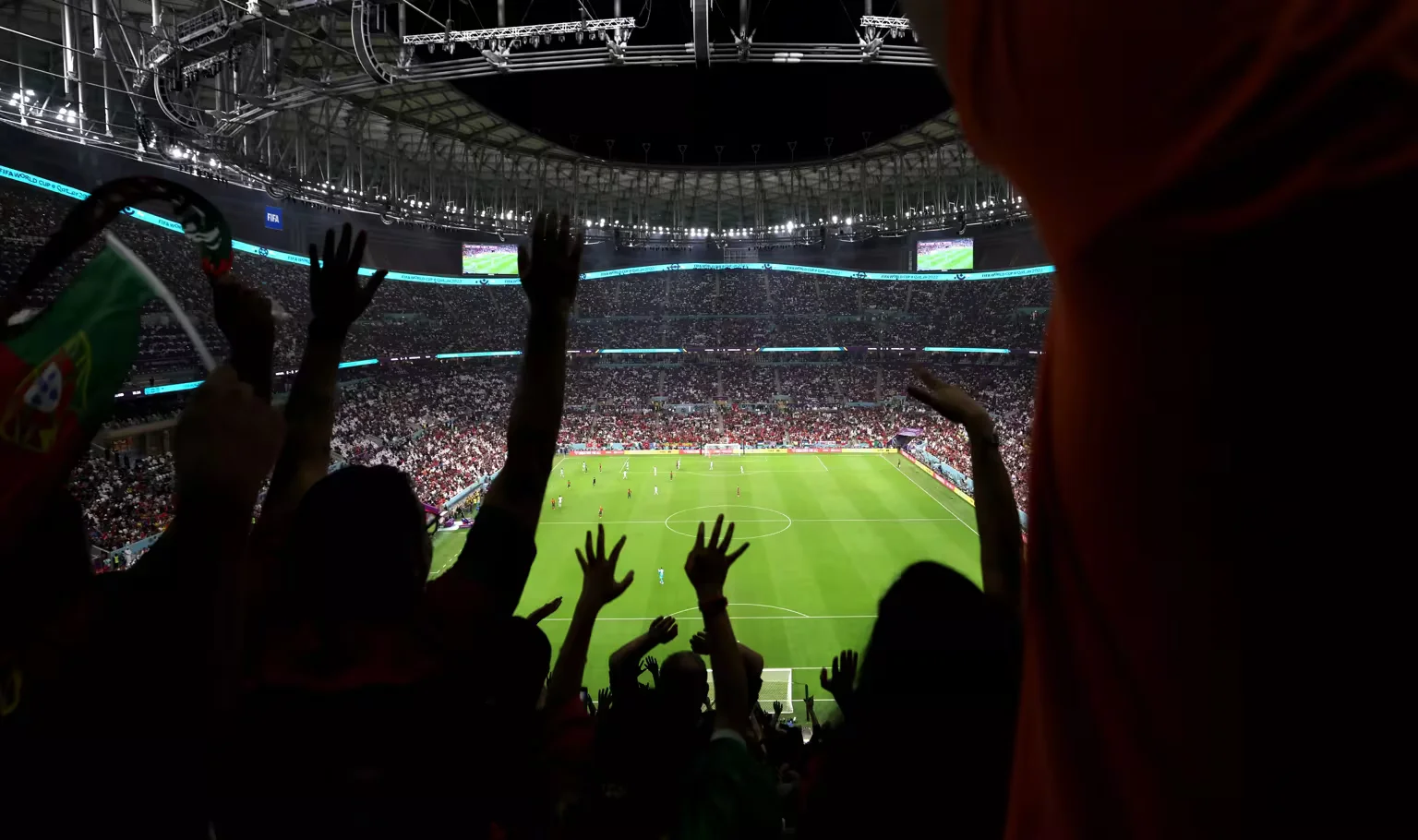
The announcement of parking prices for the 2026 World Cup has generated surprise and frustration among thousands of fans. FIFA published official rates for stadiums in the United States, one of the three tournament hosts, and the costs have sparked debate about the high expenses involved in attending the event.
According to official data, the most affordable spaces for the group stage start at 75 dollars, equivalent to 1,380 Mexican pesos. However, this price increases for matches in knockout stages, where parking can cost up to 175 dollars (approximately 3,220 pesos). In cities like Philadelphia, the minimum price reaches 115 dollars to park near the stadium during an opening match.
The difference has caused outrage because in some cases, parking costs more than the match ticket, with tickets for the group stage available from 60 dollars. This contrast has provoked reactions from fans who consider the additional charges abusive.
Costs by City and Tournament Phases
The published prices correspond to five U.S. stadiums that have already revealed their rates: Boston, Dallas, Kansas City, Miami, and Philadelphia. At venues with higher demand, values may vary depending on proximity to the stadium or match importance. For example, in Boston, where quarterfinal matches are expected, parking costs reach 145 dollars not including the ticket. In Dallas, a regular host for major sporting events, preferred zones also register prices exceeding 160 dollars, especially for knockout matches.

Costs for the remaining six U.S. stadiums have not yet been revealed, nor have rates for venues in Mexico and Canada. However, local authorities in these countries have indicated that mobility and transportation policies will be different, so final values could vary depending on available infrastructure. The organization of the 2026 World Cup, shared among three nations, represents an unprecedented logistical challenge. With 48 participating teams and over 100 scheduled matches, demand for parking spaces will be high at each venue. Experts predict that scarcity of nearby spaces will drive up prices, especially in cities with centrally located stadiums or those with difficult access.
Fans Explore Options to Reduce Expenses
Faced with high rates, many attendees have begun searching for alternatives. Some prefer to arrive early to access more affordable spaces, while others are considering using public transportation or even staying near stadiums to avoid costly travel.
In cities like Miami and Philadelphia, authorities have recommended using shared services or alternative parking with transportation included. According to local officials, the goal is to reduce traffic congestion and facilitate access to stadiums on match days.