The ebola crisis in eastern Democratic Republic of the Congo has reignited health and humanitarian alarms. The outbreak is spreading in a region marked by armed violence, mass displacement, and weakened health systems.
The problem is not limited to the virus. It also includes attacks on hospitals, shortages of medical supplies, and strong rejection from local communities. In this context, experts and humanitarian organizations argue that cuts in international aid have deepened an already extreme emergency.
The situation took a more serious turn when armed men and groups of civilians attacked treatment centers in Ituri province. According to reports cited by the Associated Press, suspected cases already exceeded 900 in eastern Congo, while suspected deaths continued to rise. Additionally, Congo’s own Ministry of Communication released figures with internal discrepancies, reflecting the level of institutional disorder.
Why Has the Ebola Outbreak Become So Difficult to Contain?
The current outbreak is developing in one of the most fragile regions of the African continent. Eastern Congo has been battered for years by the presence of rebel groups, foreign militias, and criminal networks that prevent stable state response. This violence has emptied hospitals, displaced doctors, and destroyed part of basic infrastructure.
Ituri province concentrates the epicenter of the outbreak. There, nearly 1 million people have been displaced by conflict, according to the UN humanitarian office mentioned in the base content. This means thousands of families live in precarious conditions with limited access to safe water, medical care, and epidemiological surveillance.
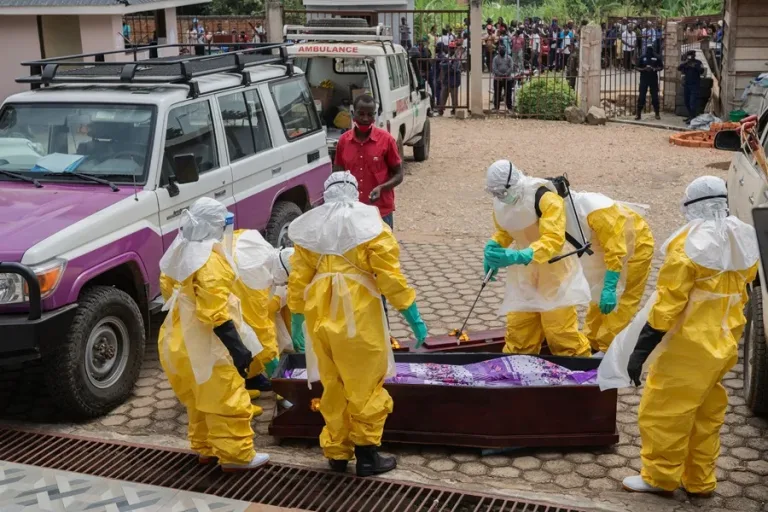
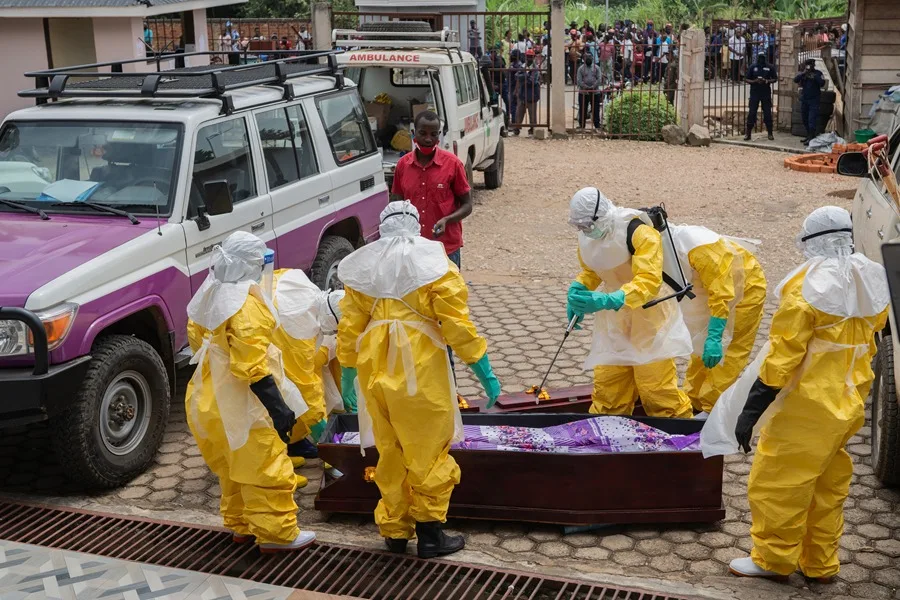
The health crisis also stumbles over social mistrust. Traditional burials, for example, clash with ebola sanitary protocols, which require restricting contact with bodies. This tension fuels the anger of families who feel the state and international organizations are taking away their control over their dead.
What Role Have International Aid Cuts Played?
One of the most sensitive points of the crisis is the reduction in international aid. Public health experts cited in the base content argue that cuts implemented last year by the United States and other wealthy nations reduced the capacity to detect and respond to infectious outbreaks. In an area with a history of multiple epidemics, this loss of support was significant.
Thomas McHale of Physicians for Human Rights warned that the cuts weakened surveillance and early response. This assessment is key because Congo had already faced more than 12 ebola outbreaks in the past. When a system knows the risk but loses resources, the probability of collapse clearly increases.
Groups working on the ground describe alarming shortages. There is a lack of face shields, protective suits, test materials, body bags, and basic equipment for safe burials. Julienne Lusenge of Solidarity of Women for Peace and Inclusive Development summarized that