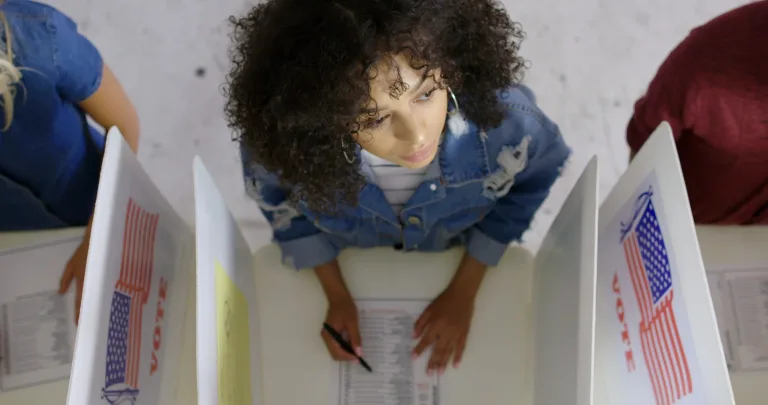
A broad coalition of Latino organizations and community leaders from Texas launched a new electoral mobilization strategy. The initiative seeks to increase Hispanic participation in the November 2026 elections. The effort is taking place amid growing concerns about the cost of living and the impact of immigration policies.
During a virtual press conference, activists noted that fear of immigration raids is affecting U.S. citizens. The fear also affects people with legal status in communities throughout the southern state. “They are afraid to go to work, to take their children to school, or to enter a government office,” the organizers explained.
Activists highlighted the fear many have of being singled out or detained by immigration authorities. “This is not a debate about border security, it is a civil rights crisis,” said one of the participants. The atmosphere of fear has spread throughout Latino communities across Texas.
Why Is the Latino Vote in Texas Key for November?
The organizers highlighted that Latinos represent more than 40% of Texas’s population. Their political influence continues to grow in the largest state in the American South. However, they contended that electoral campaigns have historically ignored this vital sector.
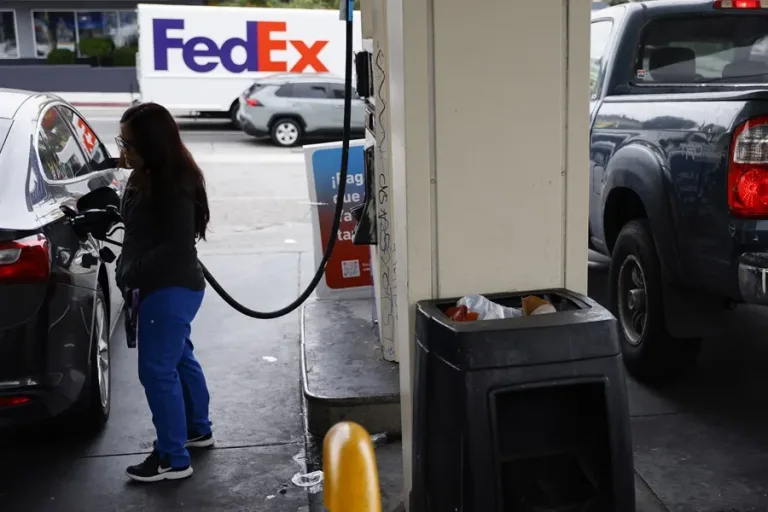
Political campaigns have addressed Latinos solely from the immigration angle in the past. The coalition asserted that Hispanic voters are more concerned about everyday issues that matter. Food prices, access to healthcare, and housing costs are priorities.
“We need to talk to people about what really matters to them,” said the coalition leaders. Additionally, they cited data from the organization UnidosUS showing that more than 48% of Latino voters were not contacted by any political party.
This communication gap is what they seek to close through community organizing campaigns. The campaigns will take place throughout the electoral year leading up to the November elections. The goal is to transform demographic weight into real electoral power.
What Concerns Latino Voters in Texas Today?
Hispanic voters are more concerned about everyday issues than political ideology. Food prices have increased and affect the family budget of thousands of households. Access to healthcare is another main concern for Latino families.
Housing costs are among the most pressing problems facing the Latino community in Texas today.