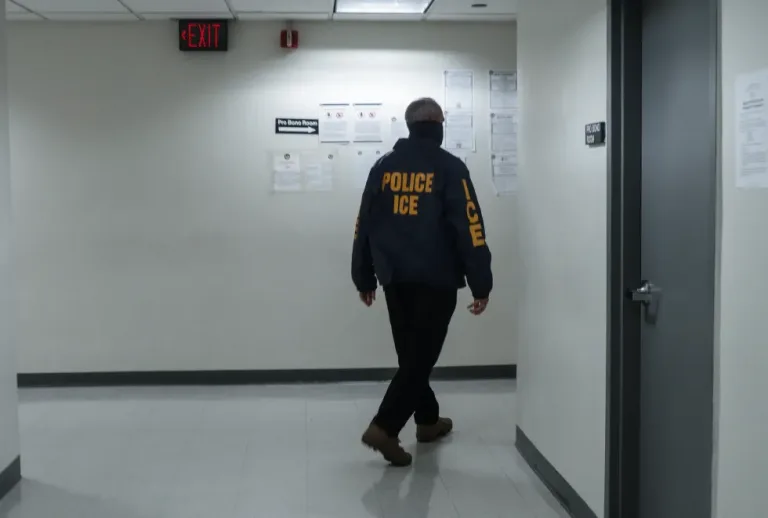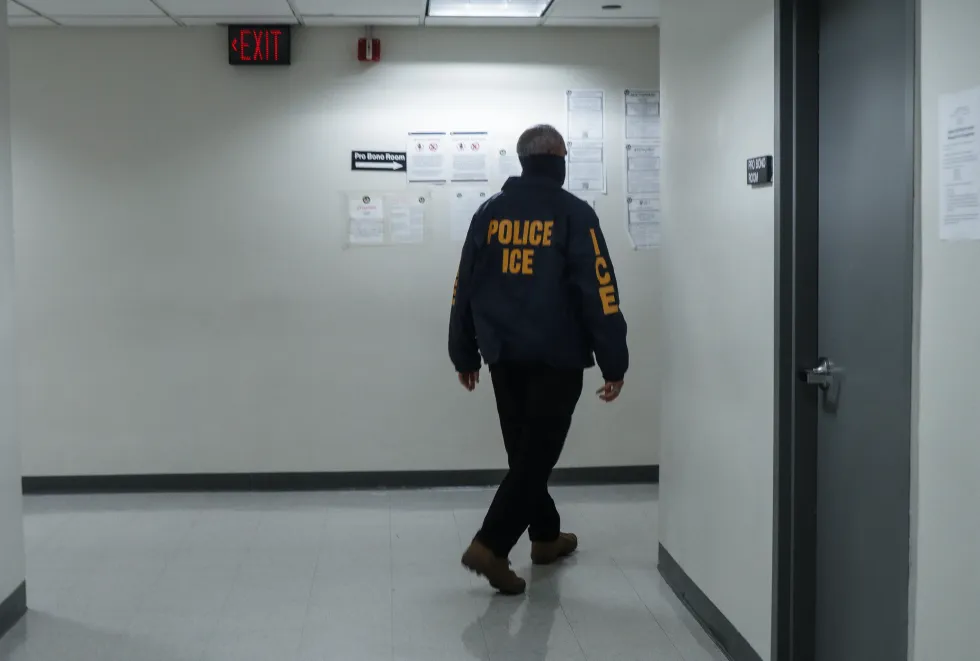
The government of Donald Trump faces new criticism in Congress following revelations of changes to training standards for agents of the Immigration and Customs Enforcement (ICE) agency. The controversy arises amid a broader debate over hardening immigration policy and expansion of the deportation apparatus. Although recent public focus has been on military decisions and international tensions, discussion of internal security has gained momentum. Legislators question whether the speed of agent recruitment has compromised training quality. National Security Secretary Markwayne Mullin announced that the agency will restore its original standards starting July 1. However, he avoided directly responding to criticism about the changes implemented.
Why Did ICE Reduce Its Training?
The adjustment in training occurred in a context of accelerated expansion. Congress approved a significant increase in funding to strengthen immigration operations. This allowed ICE to plan hiring thousands of new agents. The agency sought to increase its operational capacity in a short time frame. To achieve this, it modified its training program. The training period was reduced from 72 days to 42 days for some recruits. Officials noted that the changes responded to the need to streamline processes. However, this decision raised doubts about the preparedness of new agents.
What Criticism Emerged About the Training?
Criticism comes from both legislators and former officials. Ryan Schwank, former ICE attorney, called the program “deficient.” He claimed that essential components of training were eliminated. According to his testimony, the program became a reduced version. He warned that this could represent risks in agent performance. He also questioned government transparency. During Congressional hearings, Democratic legislators expressed concern. They noted that public safety could be affected. They also asked for explanations about the changes.
What Did the Trump Government Respond?
The Department of Homeland Security rejected the accusations. It assured that agents receive complete training. It highlighted that training includes weapons use and de-escalation techniques. It also emphasized that recruits receive constitutional training. According to the agency, critical content was not eliminated. This stance seeks to defend the integrity of the program. Interim ICE Director Todd Lyons stated that the adjustments did not weaken training. He explained that sessions were added before and after the main training.
What Specific Changes Were Made to the Program?
Among the modifications, the duration of the initial course was reduced. Some requirements were also eliminated, such as Spanish language proficiency. This point generated debate, given the profile of the communities served. Additionally, training sessions were intensified. Recruits began training six days a week. This sought to compensate for the reduced timeframe. The program also incorporated additional phases. These are conducted before and after training at federal facilities. The agency maintains that this preserves quality.
Why Are Standards Being Restored Now?
Mullin’s announcement indicates a change in direction. Starting in July, training will last 72 days again. This responds to the need to recover traditional standards. However, the secretary did not explain the reasons for the previous adjustment. He also did not detail whether flaws were detected in the system. This leaves several questions open. The change could be interpreted as a response to political pressure. Criticism in Congress has increased in recent weeks. The issue has become a point of debate.
What Impact Does This Controversy Have on Immigration Policy?