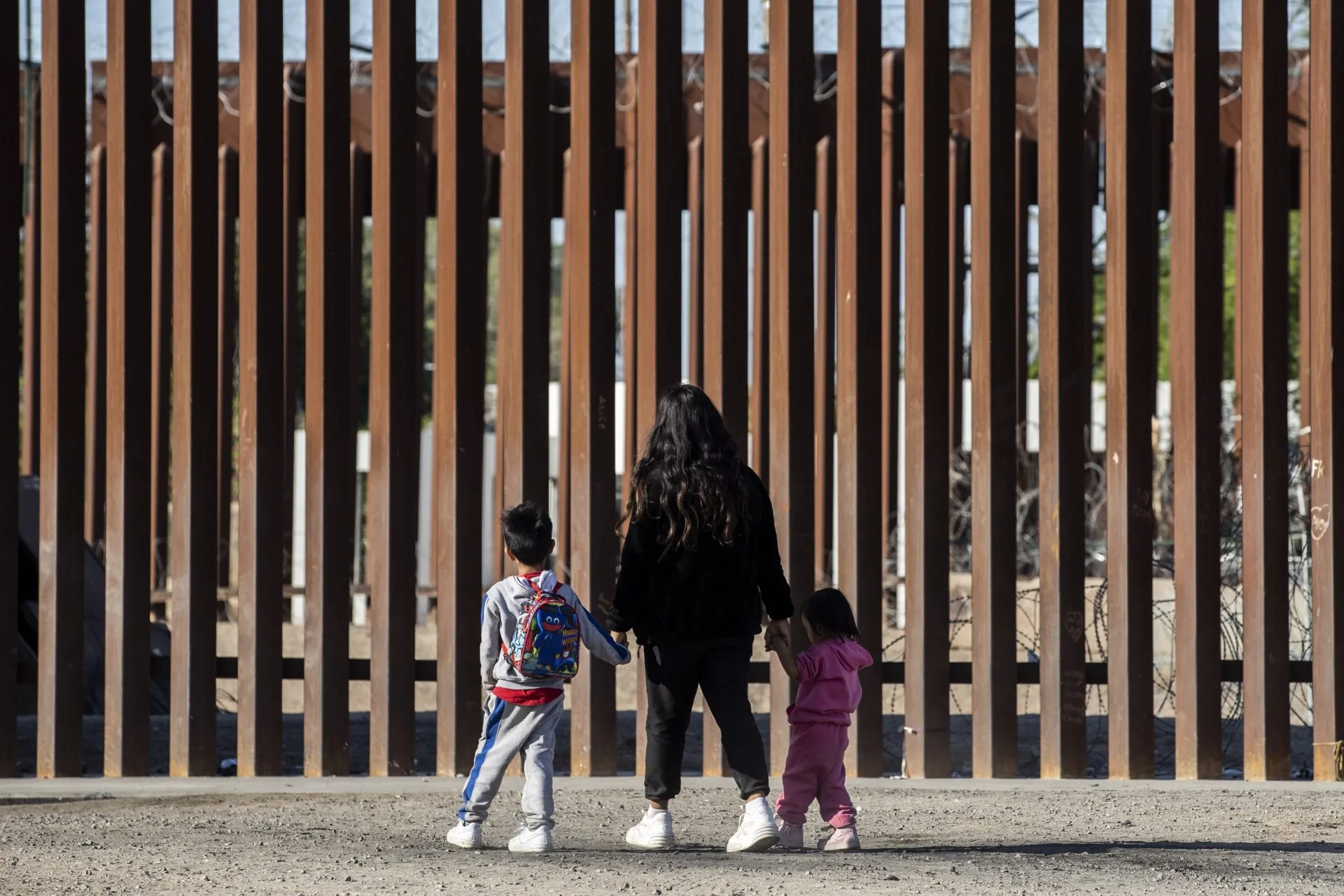
The impact of migration policies in the United States has reached an alarming dimension for thousands of families with mixed immigration status. A recent report published by the Brookings Institution reveals the true human cost of drastic border control measures. The document details that tens of thousands of minors, all of them U.S. citizens, are directly suffering the consequences of their parents’ arrests. The execution of these operations has transformed the routine of entire communities throughout U.S. territory.
According to the study, more than 145,000 American children have experienced the detention of at least one parent. The alarming figures correspond to the period since President Donald Trump returned to the White House in January 2025. The report specifies that the exact number of minors affected by these control policies amounts to 146,635 direct victims. Consequently, the intensification of federal operations strikes at the core of families that legally belong to the country.
The situation is even more dramatic for a considerable segment of this unprotected child population. The report indicates that more than 22,000 of these children have faced simultaneous detention of both parents by authorities. Mass detentions are carried out by the Immigration and Customs Enforcement (ICE), whose operations have not ceased. As a result, this phenomenon has unleashed a wave of social outrage and multiple protest demonstrations at the national level.
What is the demographic profile of minors affected by ICE operations?
The statistical analysis presented by the Brookings Institution breaks down the ages of minors left in a vulnerable situation. The study establishes that 36.5% of children affected by arrests are under six years of age. On the other hand, 36.1% of the direct victims of this forced separation are between six and 12 years old. The remaining percentage of the sample corresponds to adolescents ranging from 13 to 17 years of age.
Regarding the nationality of arrested parents, the report identifies a clear predominance of Hispanic citizens. The Mexican-origin community is positioned as the most affected by the operations, accounting for 53.7% of the total. In second place are families from Guatemala, representing 15% of the cases documented by researchers. Finally, citizens originally from Honduras rank third in the scale of institutional impact, totaling 10.7%.
The research center notes that the intensity of ICE’s work keeps thousands of people in custody. Currently, approximately 60,000 people are deprived of their freedom in the country’s various federal detention facilities. Similarly, nearly 400,000 immigrants have been temporarily transferred to these prison complexes to define their respective deportation processes. This unprecedented logistical mobilization demonstrates the Executive Branch’s determination to accelerate deportations.
| Nationality of Detained Parents | Percentage of Total Cases | Impact on Migrant Community |
| Mexico | 53.7% | Community with highest rate of family separation |
| Guatemala | 15.0% | Second most affected group by ICE operations |
| Honduras | 10.7% | Third place in federal detention statistics |
| Other nations | 20.6% | Variable impact across diverse ethnic groups |
What regions of the United States have the highest rates of family separation?
The geographic distribution of arrests reveals that certain areas of the country are experiencing much more intense institutional pressure. The Brookings Institution report indicates that Washington D.C.