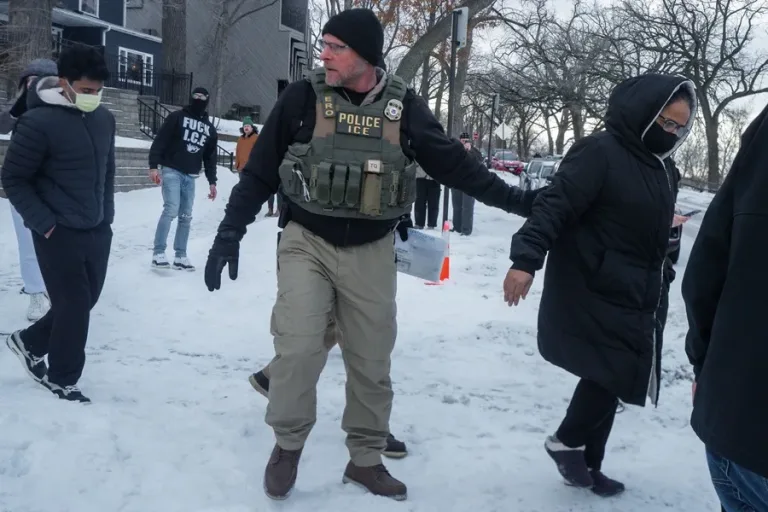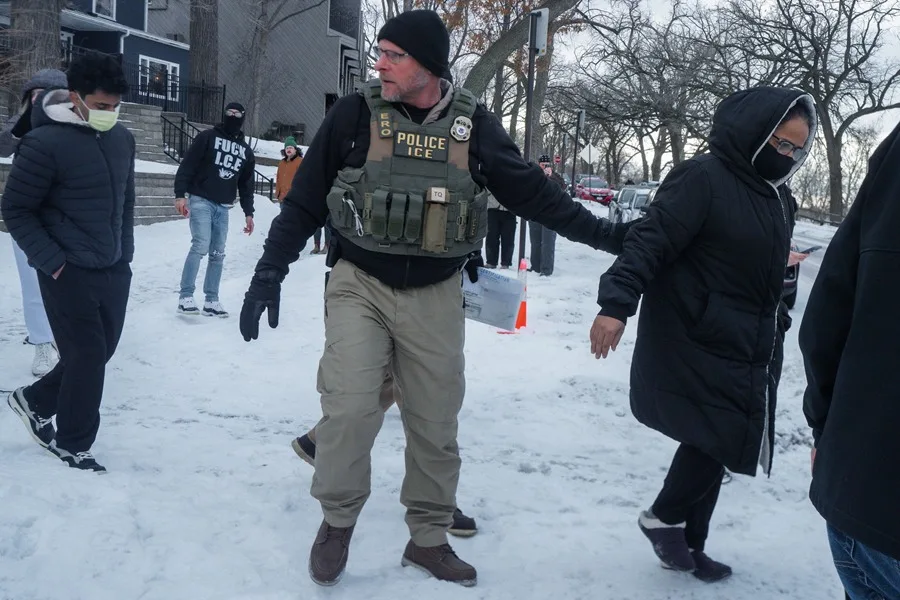
ICE workplace raids can change a family’s life in minutes. A recent case in South Carolina reignited alarm among immigrant workers. There, 48 people were detained at a metal processing plant in Abbeville. The investigation lasted nearly 2 years and also reached company executives.
The concern is not limited to a single plant or state. Labor investigations typically concentrate on sectors with high demand for labor. Subcontracting, hourly wage jobs, and the presence of immigrant workers also play a role. That’s why certain industries appear again and again in these operations.
ICE contends that these investigations aim to reduce illegal employment and detect document violations. The U.S. Citizenship and Immigration Services reminds that the Form I-9 verifies identity and work authorization. This document is at the center of many inspections. When questions arise about forged papers or identity theft, risk multiplies.
Which sectors are most exposed to raids?
The most monitored industries typically share 3 characteristics: high turnover, rapid hiring, and temporary staff. They also depend on subcontracting chains that are difficult to audit. This makes it easier for I-9 form errors or altered documents to slip through.
Construction is among the most closely watched sectors. Construction projects typically mix contractors, subcontractors, and temporary crews. This structure complicates employment verification and creates room for irregularities. In 2025, ICE arrested 31 immigrants at 2 construction sites in Laredo, Texas, according to reports cited in the base article.
Restaurants, hotels, and cleaning services also frequently appear on the immigration radar. These are sectors with extended hours and high dependence on labor. Additionally, they typically operate on thin margins with teams that turn over quickly. That’s why any inspection can have an immediate effect on the entire operation.
Agriculture and food processing are also under constant scrutiny. Farms, packing plants, poultry plants, and meat processing facilities depend on substantial labor. These are sensitive sectors for reviewing problems with I-9 forms, forged documents, or identity theft. This explains why they are frequent targets of investigations.
Why does ICE target these industries?
ICE seeks direct responsible parties and also networks of irregular hiring. In many cases, the agency investigates whether there was use of stolen identities. It also reviews whether employers ignored clear signs of fraud. This includes worker lists, internal records, and incomplete verifications.