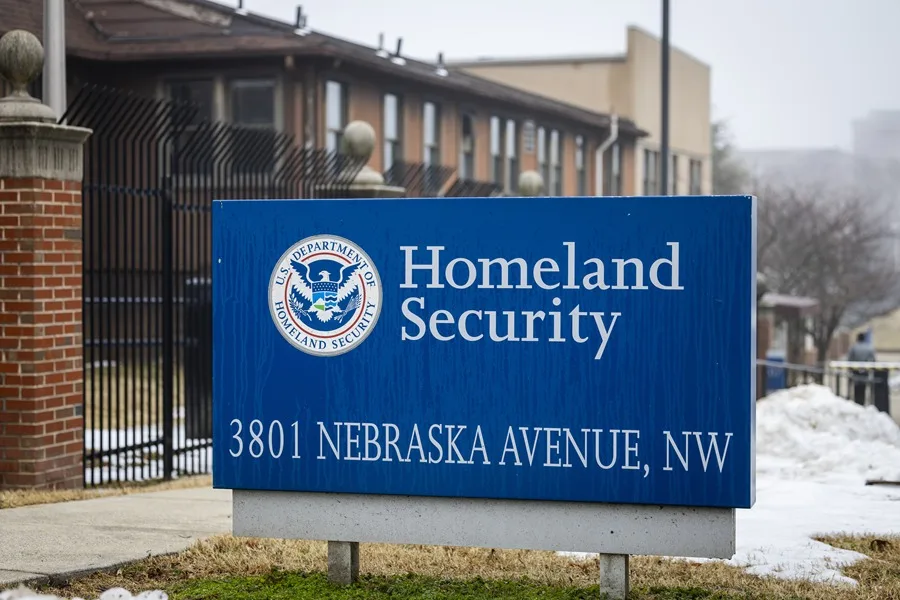
The Department of Homeland Security (DHS) proposed new rules that would affect nearly one million immigrants. The proposal seeks to restrict employment authorization, known as EAD. This would impact those with humanitarian parole, deferred action, and pending deportation orders in the country.
The DHS presented this proposal in the Federal Register on Thursday. The main objective is to reduce incentives for undocumented immigration in the United States. The Donald Trump administration argues that these measures will protect the wages of American workers.
In fiscal year 2024, the Citizenship and Immigration Services processed 978,308 affected applications. The majority of these applications correspond to humanitarian parole and deferred status. The measure is part of DHS efforts to reform the legal immigration system.
Who Will the New Work Permit Rule Affect?
The new restrictions would affect three main categories of immigrants with temporary work permits. The largest category is humanitarian parole applications, which totaled 792,130 last year. The second category is deferred action, with 153,154 applications in the same fiscal period.
The third affected category includes 33,024 people with final deportation orders. Under the proposal, DHS would eliminate employment authorization for most of this specific group. It would only be permitted in rare cases where no country accepts the deported individual.

DHS will drastically limit eligibility for discretionary employment authorization. Applicants must demonstrate genuine economic need and pass exhaustive background checks. Additionally, they must meet strict criteria evaluated case-by-case by immigration officers.
The duration of work permits will be reduced to a maximum of one year. To renew, applicants must work for employers registered in the federal E-Verify system. Criminal background scrutiny will be more severe, disqualifying those with prior arrests or convictions.
What Economic Impact Will This Measure Have?
The DHS proposal could have significant and far-reaching economic consequences. DHS estimates total direct costs between $9.1 billion and $27.9 billion over 10 years. Annually, the projected impact ranges between $937 million and $2.9 billion.
Much of this cost would come from lost income of displaced immigrants. Additional administrative costs would also be generated by biometrics requirements and paperwork.