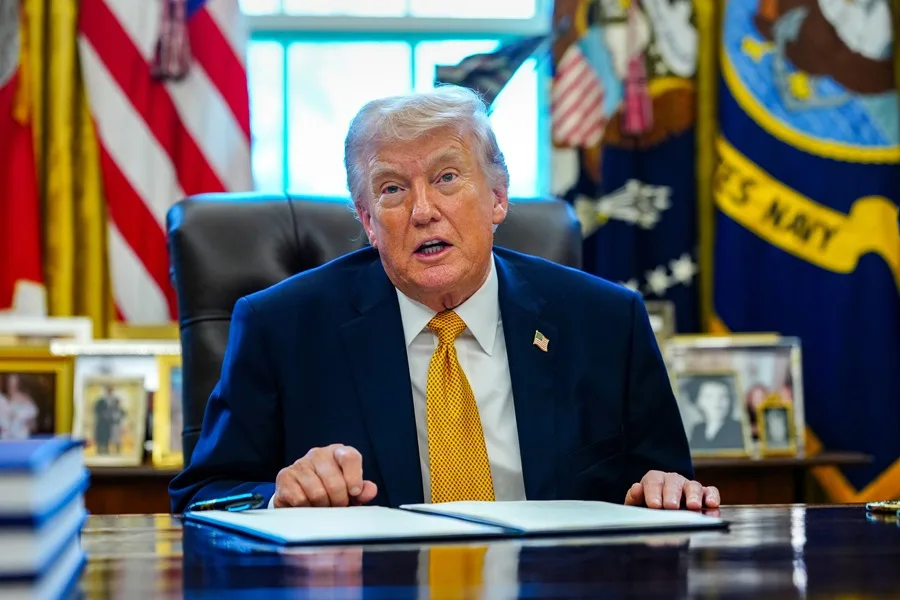
U.S. President Donald Trump seeks an urgent geopolitical victory in Cuba. His recent military strategy in Iran failed to achieve expected results. Therefore, the leader needs to change the Cuban regime quickly to improve his image.
However, greater U.S. military intervention would entail extremely high risks. Armed forces are already stretched thin by current Middle East conflicts. Additionally, an armed deployment on the Caribbean island would bring enormous domestic political costs.
As a first aggressive measure, the Department of Justice filed a formal indictment. The target is former Cuban president Raúl Castro, 94 years old. He is accused of conspiracy in the downing of 2 civilian aircraft in 1996, causing 4 deaths.
What Does the New Pressure on Havana Seek?
This harsh legal maneuver coincides strategically with a stringent U.S. oil blockade. The measure has triggered a severe humanitarian crisis across the country. Consequently, Cuba’s vulnerable society faces possible and dangerous collapse.
Additionally, diplomatic pressure increases with recent new government demands. Intelligence agency director John Ratcliffe presented a strict ultimatum in Havana. Trump even publicly threatened to seize the impoverished Caribbean nation very soon.
Lee Schlenker, researcher at the Quincy Institute, analyzed this aggressive international indictment. According to him, this judicial action could bury any possible diplomatic agreement with the island. This will significantly reinforce the historical siege mentality of Cuban political leadership.
How Does the Strategy Compare to Venezuela and Iran?
The current strategy closely resembles tactics used in Venezuela recently. There, strong military pressure worked to overthrow Nicolás Maduro in January. Delcy Rodríguez then assumed control as interim president of the South American nation.
However, this coercive and military approach failed miserably in Iranian territory. The current war plummeted presidential popularity to historic lows. According to polls published by CNN, the vast majority of Americans reject this military conflict.
Therefore, opening a new armed front poses a major Republican challenge. Important midterm elections are rapidly approaching the country. A conflict in Cuba would strongly fuel criticism from opposing Democratic leaders.
What Are the Real Risks of a Military Attack?
An incursion of special operations forces in Cuba entails immense tactical dangers. The Cuban military possesses somewhat obsolete equipment but maintains very strong resistance. For example, national defensive doctrine requires the entire civilian population to respond militarily.

DACA: Exigen liberar a la influencer Karla Toledo tras arresto de ICE
El arresto de la influencer Karla Toledo, protegida por DACA, desata protestas en Arizona y...

Trump gira a Cuba tras fallar su estrategia contra Irán
El presidente Donald Trump intensifica su gran presión sobre Cuba tras el fracaso en Irán,...
This enormous massive resistance would cause U.S. civilian and military casualties that are almost inevitable. Additionally, physical security around Raúl Castro is extremely strict today. This would prevent rapid kidnapping operations in the style of the successful Venezuelan case.
Senator Rubén Gallego criticized the current government’s constant warlike focus. He firmly expressed that the American people are not asking for another costly foreign war. “They want us to reduce the cost of healthcare,” the Democratic politician stated.
Why Does the Government Insist on the Monroe Doctrine?

Desarrollador de Software
12 años de experiencia