U.S. President Donald Trump has expanded his list of countries under military threat after mentioning Oman as a possible target. The statement came during a cabinet meeting at the White House and sparked new alerts about his foreign policy.
Trump warned that he could bomb Oman if that country attempts to control the Strait of Hormuz together with Iran. The assertion was brief, but reflects a growing trend in his second term.
With this new warning, the president adds at least 15 countries that he has threatened or attacked. The figure is equivalent to roughly one of every 13 countries in the world, which demonstrates the global reach of his strategy.
Which countries are under threat or have been attacked?
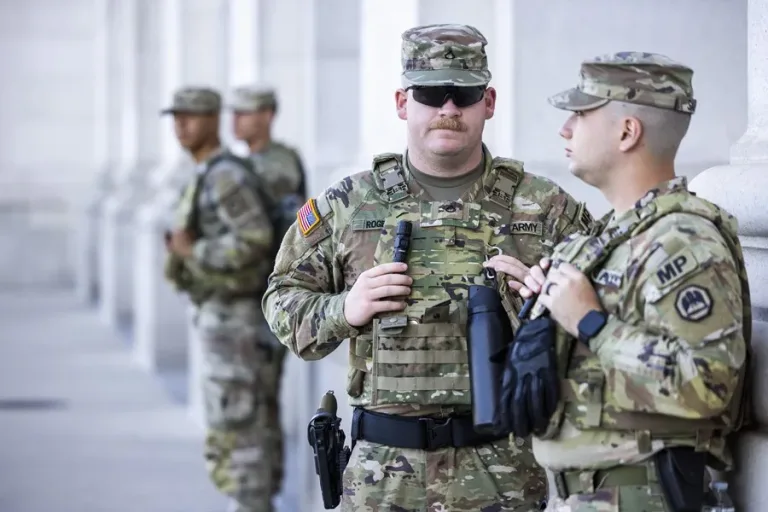
During his current term, Trump has ordered attacks in seven countries. Among them are Iran, Iraq, Nigeria, Somalia, Syria, Venezuela, and Yemen.
To this list are added other nations that have been subject to direct or indirect warnings. Among them are Canada, Colombia, Cuba, Mexico, Panama, Greenland—a territory of Denmark—and now Oman.
Some of these cases correspond to limited military actions. Others are part of statements in which the president does not rule out the use of force.
Why is the scope of these actions concerning?
The figures reflect a more aggressive foreign policy than what was promised during his campaign. Trump had criticized his rivals for promoting military interventions abroad.
However, in practice he has adopted a more belligerent stance. During his second term so far, he has intensified both military operations and threats.
The targeted countries are home to a significant portion of the world’s population. It is estimated that one of every 11 people on the planet lives in a nation that has been mentioned by Trump.
What role does the Middle East play in this strategy?
The Middle East is one of the regions most impacted by the president’s decisions. At least five countries in the region have been subject to attacks or threats.

HRW acusa: Trump deporta a 4,353 cubanos en México
HRW denuncia que Trump deporta a 4,353 cubanos a México donde están «abandonados» sin papeles,...
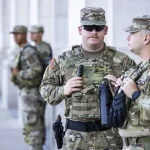
Trump pone en la mira militar a 1 de cada 13 países del mundo
Trump amplía su lista de amenazas militares a 15 países, incluyendo Omán, y refuerza una...
Among them are Iran, Iraq, Syria, and Yemen. The inclusion of Oman reinforces attention on an area key to global energy trade.
The Strait of Hormuz, mentioned by Trump, is a strategic route for oil transport. Any conflict in that zone could have global economic consequences.
Is this a deliberate strategy?
Analysts point out that Trump applies the so-called “madman theory” in foreign policy. This consists of projecting unpredictability to pressure other countries.
The logic behind this strategy is to generate uncertainty in adversaries. In this way, the goal is for them to yield to U.S. demands.
However, this tactic also carries risks. The statements can escalate tensions and provoke unexpected responses in sensitive international scenarios.
What regions of the world have been affected?
Trump’s actions and threats span multiple continents. Africa, Asia, and the Americas have been scenes of his military decisions or warnings.