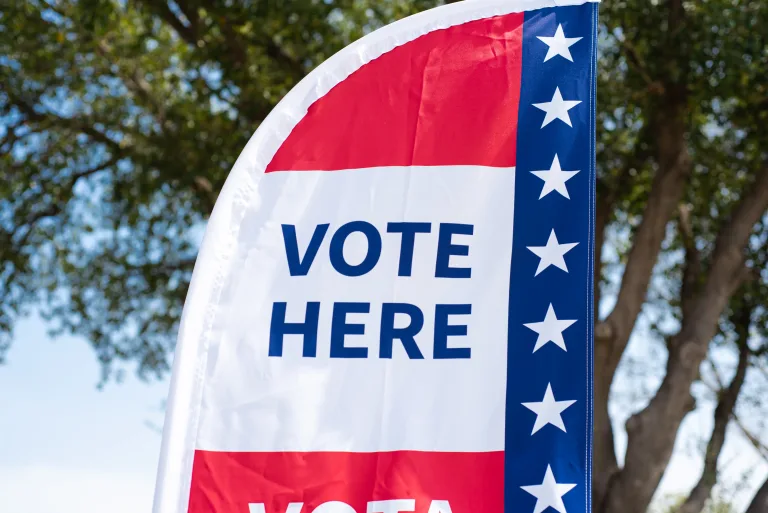
Los Angeles Deputy U.S. Attorney Bill Essayli has become the center of a new electoral controversy. The official announced that he is investigating possible cases of fraud in California’s primary elections. He did so while the vote count and certification process remains incomplete.
According to Los Angeles Times, Essayli stated that his office maintains several investigations in coordination with the FBI. He also invited citizens to submit evidence directly to federal authorities.
His statements provoked criticism from experts and former Department of Justice officials. They argue that investigating in this manner could conflict with federal rules. The debate reopens old tensions about electoral integrity in a state that is key to national politics.
Why Is Essayli’s Investigation Controversial?
The central point is the timing of the announcement. The Justice Manual indicates that federal prosecutors should avoid visible actions regarding electoral fraud until the process is complete. This includes waiting for certification, recounts, and challenges. The logic behind this rule is clear. It seeks to prevent a premature investigation from damaging public confidence. It also aims to prevent an investigation from interfering with voting rights or the final count.
Essayli, however, insists that California presents significant vulnerabilities. In an interview with One America News Network, he stated that the state does not have sufficient safeguards. According to him, this would prevent ensuring that only eligible citizens vote. Essayli also argued that electoral fraud is not a theory. He said it is something real. However, he acknowledged that he does not have evidence of widespread fraud capable of altering the results.
This admission matters because it marks the real scope of the investigation. It is not, for now, an accusation with conclusive public evidence. Rather, it is an ongoing investigation with no confirmed impact on final results.
What Do Experts and Former Officials Say?
Justin Levitt, professor of electoral law and former White House advisor, criticized the strategy. He said that a federal prosecutor should not become news. He also noted that his work should not influence the election he investigates. His warning touches on a sensitive principle. Law enforcement must act with prudence when the electoral process remains open. If not, the political effect can outweigh the evidentiary value of the investigation.