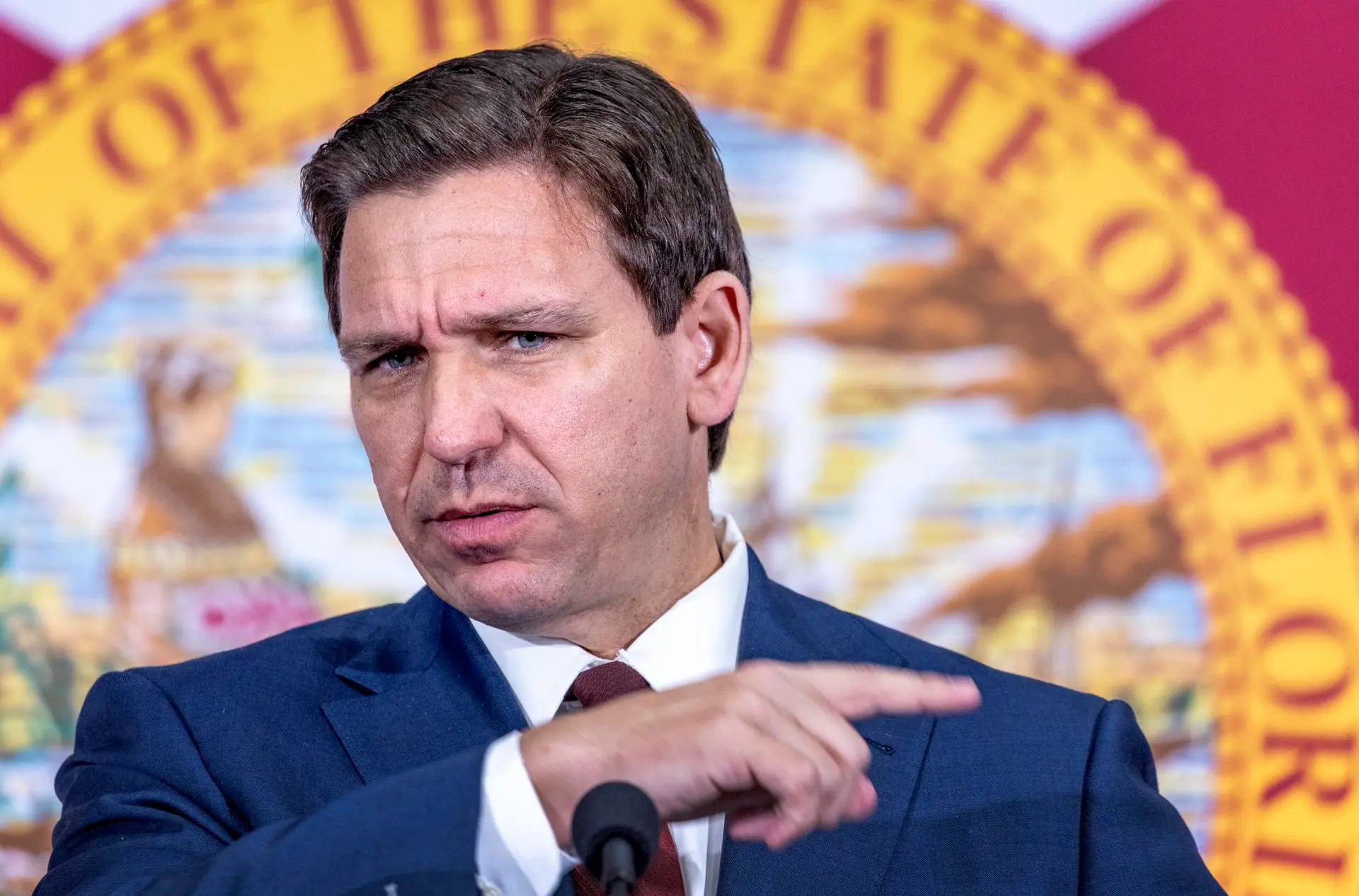
Florida Governor Ron DeSantis has taken a decisive step to strengthen the state’s security. Through the enactment of HB 905, known as the “FIRE Act”, unprecedented restrictions are being established. This law, whose full name is Foreign Interference Restriction and Enforcement Act, will take effect on July 1st. Its main objective is to limit the influence of foreign governments considered threats to local stability. The regulation affects strategic areas ranging from business to the family life of millions of residents.
DeSantis justified this decision as a necessary measure to strengthen Florida’s defenses against external adversaries. In an official statement, the governor assured that public officials must serve exclusively the citizens of Florida. The FIRE law seeks to eliminate agreements and associations that compromise the ethics or transparency of state government. According to the administration, Florida becomes a pioneer by establishing severe penalties for noncompliance with these new guidelines. The impact will be especially notable in Latino communities with ties to the Caribbean and South America.
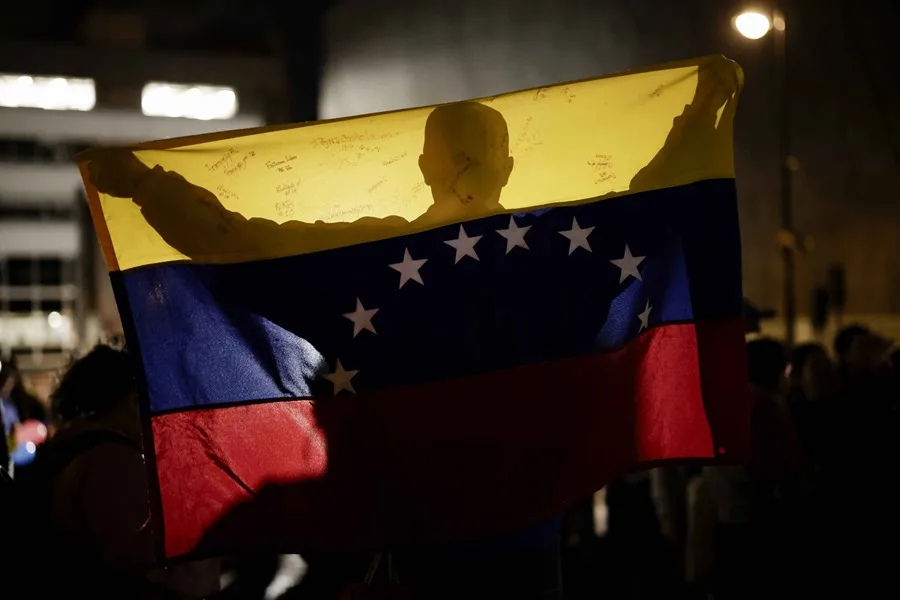
The legislation identifies seven specific nations under the label of “foreign countries of concern”. This list includes Cuba, Venezuela, China, Russia, Iran, North Korea, and Syria. Any entity controlled by these States will be subject to strict limitations within Florida’s territory. The provisions reach government agencies, state enterprises, and structures linked to said regimes. The Sunshine State thus hardens its diplomatic and commercial stance against governments it considers hostile.
What limitations will public officials face regarding foreign governments?
Starting in July, state employees and elected officials will face very strict prohibitions. The FIRE law prevents these actors from accepting gifts, loans, or any benefit from representatives of the mentioned countries. These restrictions also apply to lawyers for local governments and candidates for public office. Even promises of future employment by entities linked to these nations are completely banned. The goal is to prevent foreign interests from shaping Florida’s public policies.
To ensure compliance, the regulation strengthens ethics and institutional transparency requirements. Public officials will be required to participate in specific training programs to detect foreign influence campaigns. These educational sessions aim to help state personnel identify manipulation attempts within government agencies. Governor DeSantis argues that these measures protect the integrity of administrative decisions in the state. Those who ignore these rules could face large-scale civil and administrative sanctions.
Oversight is not limited solely to the individual behavior of public servants. The FIRE Act also requires state agencies to review their hiring and external consulting processes. The goal is to ensure that no current or future contract serves as a bridge for political interference by adversaries. This administrative cleanup aims to purge the relationship between the public sector and international influences. With this approach, Florida attempts to close any gap that would allow foreign espionage or coercion.
How will the FIRE Act affect businesses and commercial licenses?
The business sector will also feel the weight of this new legislation starting in the summer. A fundamental section of the law establishes direct measures for companies with commercial ties to Cuba. Local governments and tax collectors now have the authority to revoke commercial licenses. If a company violates federal regulations regarding the island, it will lose its operating permit in Florida. This measure reinforces existing sanctions at the national level with a state enforcement mechanism.
To verify these links, authorities may require sworn statements from business owners. In these documents, business owners must certify that they do not maintain prohibited operations with the indicated regimes. Lying in these statements will be punished with perjury charges, a felony of the third degree. This could result in