The economic outlook for consumers in the United States presents significant challenges heading into the summer season. In this regard, the multinational retail company Walmart issued a clear warning about the impact of rising energy costs on family budgets. According to the company, the constant increase in the cost of living will begin to pressure citizens’ regular purchases immediately. In fact, this situation is worsening because seasonal economic factors that were containing spending are losing their protective power.
On the other hand, the chain of self-service stores presented this complex scenario following the official presentation of its first quarter financial results. In this regard, projections indicate that the increase in fuel prices will soon translate into higher price tags in commercial establishments. Likewise, the increase in supply chain costs will require adjustments to retail prices across the country. Therefore, customers will need to dedicate a larger portion of their monthly income to cover basic everyday needs.
As if that were not enough, the current inflationary phenomenon shows a concerning trend by growing at a rate significantly higher than average wages. As a result, families lose real purchasing power in the face of rising costs for essential services and products. This economic reality forces users to modify their consumption habits and prioritize the purchase of essential food items. For this reason, the management of the retail firm closely monitors this deterioration of the financial environment to adapt its business operations.
How does the end of tax refunds impact consumer spending?
The determining factor in this change of trend is the definitive depletion of seasonal tax refunds. During the first months of the year, these state refunds cushioned the impact of rising energy and food costs. However, this financial relief is no longer reaching the bank accounts of American taxpayers. As this economic cushion fades, citizens feel more acutely the real weight of inflation on their personal finances.
Recent macroeconomic data published by specialized media outlets such as Fox Business confirm the acceleration of price indicators. General inflation stood at 3.8% during the month of April, maintaining constant pressure on the market. For its part, the energy sector recorded a monthly increase of 3.8% and an impactful year-over-year increase of 17.9%. These figures demonstrate that the cost of keeping homes and vehicles running continues on an upward trend.
| April Economic Indicator | Monthly Increase | Year-over-Year Increase | Official Source |
| General Inflation | 0.3% | 3.8% | Fox Business |
| Energy Sector | 3.8% | 17.9% | Fox Business |
| Fuel / Gasoline | 5.4% | 28.4% | Fox Business |
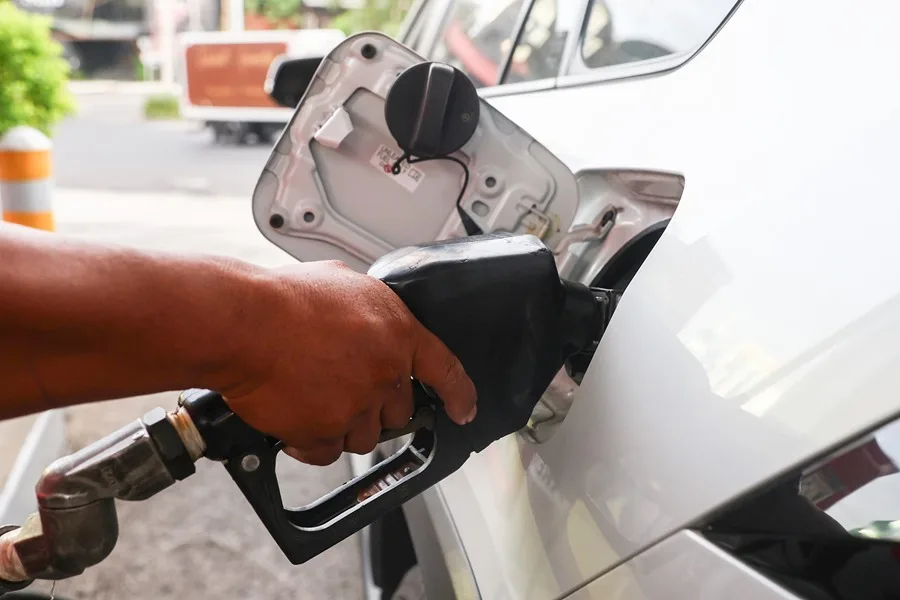
The specific gasoline category showed a jump of 5.4% in the month and 28.4% compared to the previous year. The international news agency Reuters attributes this price increase to international geopolitical conflicts. Disruptions in oil supplies in the Middle East, linked to tensions with Iran, raised international crude oil prices. This diversion of income toward transportation drastically reduces the purchasing power of families in other commercial categories.