The geopolitical landscape in the Middle East experienced a day of maximum tension and information uncertainty in 2026. The U.S. Government confirmed the existence of a pre-agreement with the Islamic Republic of Iran. This principle of understanding seeks to definitively unblock the strategic Strait of Hormuz. Likewise, the preliminary pact contemplates a substantial extension of the ceasefire in effect between both nations since last April. However, Tehran authorities have come forward to categorically deny this diplomatic announcement.
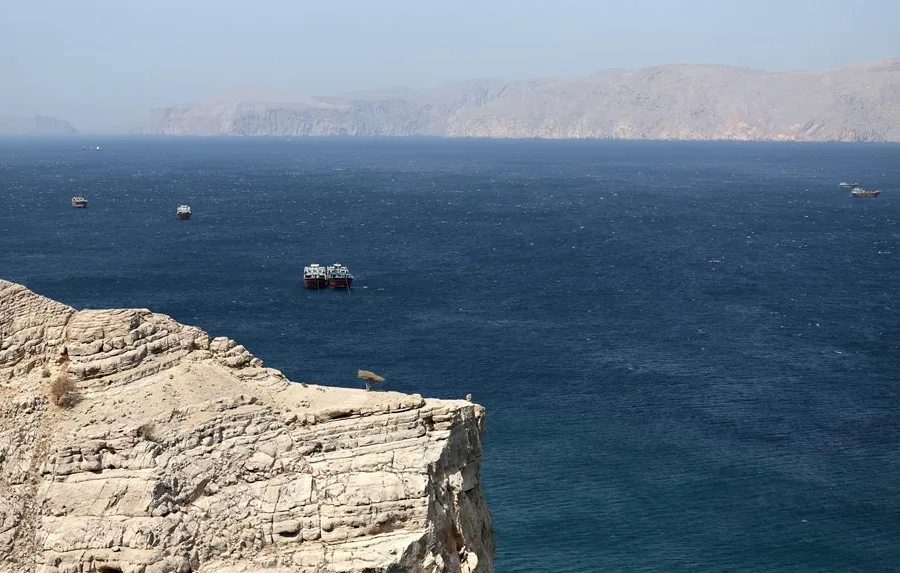
The confirmation from Washington indicates that the technical document requires only final approval from President Donald Trump. Various sources from the American Executive ratified the data initially presented by international media outlets. The text stipulates the bases for guaranteeing unrestricted free maritime commerce navigation in the conflict zone. This international communication channel had remained blocked due to Iranian reprisals for recent military offensives. Global crude oil commerce remained in limbo due to the paralysis of this transit route.
In contrast, spokespersons from the Persian nation offer a completely opposite version regarding the state of negotiations. The Tasnim news agency, directly linked to the Revolutionary Guard, denied the existence of a definitive consensus. A source close to the Islamic Republic’s negotiating team asserted that the draft is not yet finalized. This public contradiction evidences the fragility of diplomatic channels amid a major international crisis. Stock markets reacted with volatility to the conflicting versions from both delegations.
What are the key points stipulated in the draft maritime and economic pre-agreement?
The memorandum of understanding addresses commercial operations through the Strait of Hormuz as a priority. According to technical reports, Iran commits to not imposing any toll on merchant ships navigating the region. In exchange, the United States will proceed to lift the maritime blockade it maintained against Iranian ports. This measure would benefit the flow of ships entering and leaving the cargo terminals of the Asian nation. The reactivation of maritime transport represents a relief for the energy markets of Europe and Asia.
On the military and strategic level, the agreement includes a crucial commitment on nuclear weapons development. Tehran would accept halting programs aimed at manufacturing atomic weapons, fulfilling a historic requirement from the White House. Nevertheless, the complex discussions to limit uranium enrichment will be postponed for later stages of the process. These specific technical negotiations will be addressed during the 60-day extension of the current cessation of hostilities. The objective of the delegations is to stabilize regional security before delving into technological aspects.
| Memorandum Aspect | U.S. Commitment | Islamic Republic Commitment |
| Maritime Transit | Lifting of port blockade | Navigation without restrictions or tolls |
| Nuclear Program | Debate on lifting sanctions | Halt development of nuclear weapons |
| Regional Security | Extension of ceasefire for 60 days | Discussion on uranium reserves |
On the other hand, the American administration agreed to open debate on lifting the severe economic sanctions currently in force. The dialogue will include the possible release of the substantial financial funds