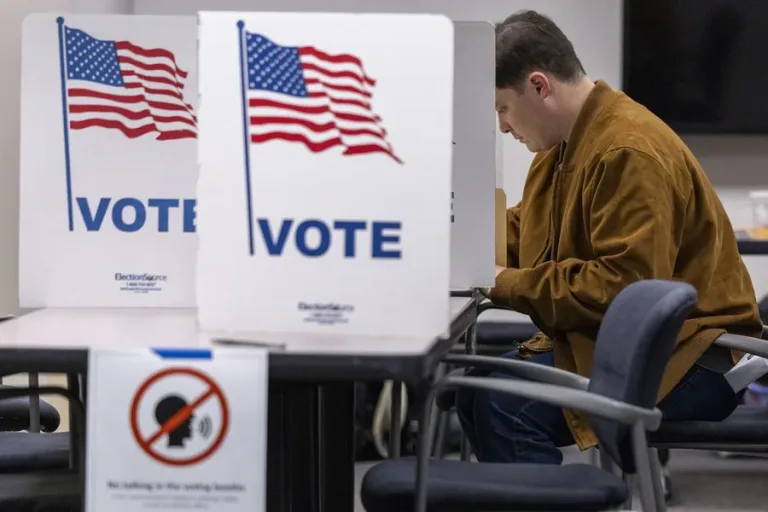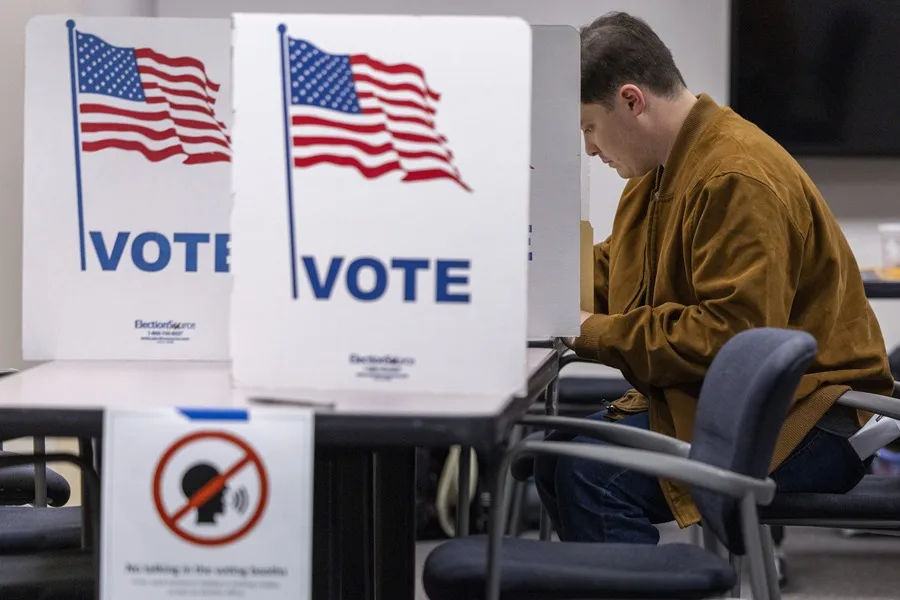
The U.S. Senate rejected on Thursday the SAVE America Act, an initiative pushed by President Donald Trump that sought to require documentary proof of citizenship to register as a voter in federal elections. The measure failed to secure the necessary votes to advance, despite having been previously approved in the House of Representatives. The vote ended with 48 senators in favor and 51 opposed. The result left the proposal far short of the 60-vote threshold required. This outcome represents a legislative setback for the president’s electoral agenda. The rejection also revealed divisions within the Republican Party. Four Republican senators voted against it, proving decisive in the initiative’s failure.
What Did the SAVE America Act Propose?
The bill sought to toughen voter registration requirements. It proposed that citizens present documents verifying their nationality. These could include passports or birth certificates. The law’s supporters argued that the measure would help prevent electoral fraud. They believed it would strengthen the integrity of the system. They also maintained that it would ensure only citizens participated in federal elections. However, the bill generated controversy. Its critics noted that it could limit voting access. Especially for people who do not have easily available documents.
Why Did the Senate Reject the Initiative?
The main obstacle was insufficient support. Although Republicans pushed the measure, they failed to achieve a broad majority. Opposition from some party members was key. Among Republicans who voted against it are prominent figures. This reflected internal tensions. It also showed differences over electoral strategy. The political context influenced the decision. Some lawmakers have expressed disagreements with other Trump actions. This may have affected support for the proposal.
What Impact Would the Law Have Had on Voters?
Had it been approved, the law would have changed the voter registration process. Citizens would have had to present specific documentation. This could have added administrative obstacles. Civil rights organizations warned of possible negative effects. They noted that millions of people could face difficulties. Especially those without immediate access to official documents. Additionally, experts indicated that there is no significant evidence of fraud by non-citizens. This questions the need for the measure. The debate centered on the balance between security and access.
How Does the Current Electoral Identification System Work?
Currently, regulations vary by state. In the United States, 36 states request some form of identification to vote. Some require photo documents. Other states have more flexible requirements. They allow alternatives to verify identity. This decentralized system generates diverse rules. Trump’s proposal sought to establish a federal standard. This would have standardized the process. However, it also would have reduced state autonomy.
What Does This Rejection Mean in the Current Political Context?
The result comes at a crucial moment. The United States is preparing for midterm elections in November. Control of Congress is at stake. The law’s failure may influence the electoral strategy of both parties. Democrats present it as a defense of voting access. Republicans debate their approach. Additionally, the episode reflects a polarized political climate. Legislative decisions are marked by internal tensions. This complicates the approval of initiatives.
What Comes Next After the Fall of the SAVE America Act?
For now, the initiative is stalled. It cannot advance without a significant change in the Senate. This limits its immediate impact. However, the issue of electoral fraud will remain present. It is likely to resurface in future proposals. It could also influence