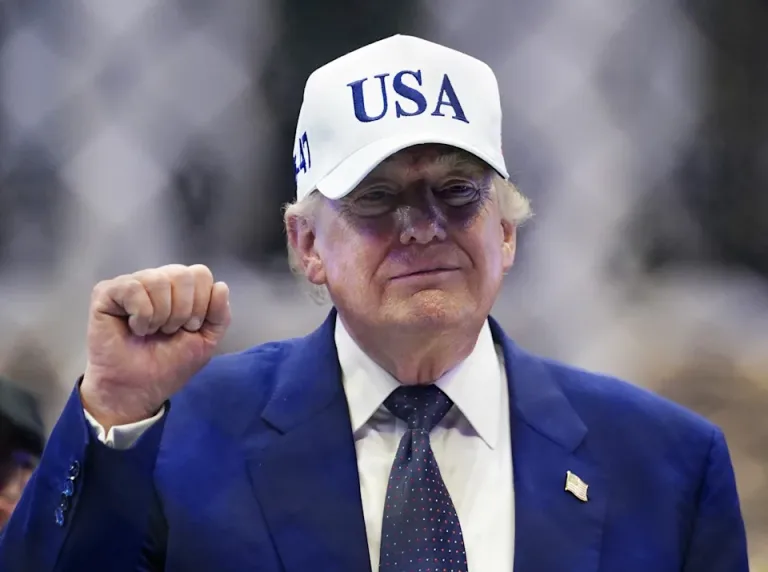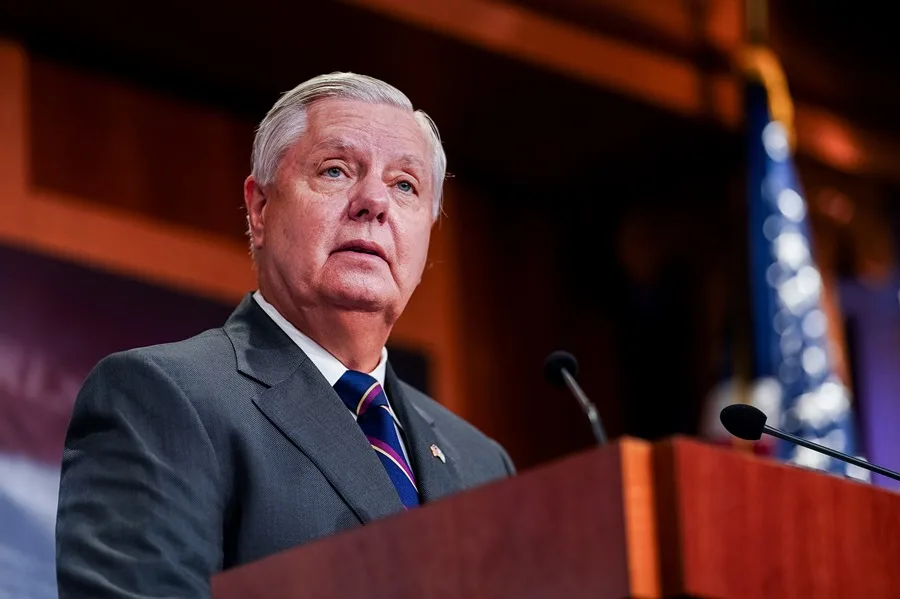
The announcement of a peace agreement between the United States and Iran has opened a new political battlefront in Washington. Republican lawmakers, led by Senator Lindsey Graham, are demanding that the pact be reviewed and approved by Congress before its implementation. The request comes after confirmation that both countries reached an understanding to end the conflict and reopen the Strait of Hormuz. However, the details of the agreement have not yet been revealed. The debate reflects internal tensions within the Republican Party itself. Although Graham is a close ally of President Donald Trump, he has expressed reservations about the agreement’s contents.
Why Does Lindsey Graham Demand the Agreement Go Through Congress?
The senator argues that U.S. legislation requires legislative oversight of agreements with Iran. In particular, those linked to the nuclear program must be reviewed by Congress. Graham noted that if the agreement includes nuclear components, it must be put to a vote. This process aims to ensure transparency and institutional control. Additionally, the legislator expressed concern about possible discrepancies between the U.S. and Iranian versions. He considers it necessary to clarify these points before moving forward.
What Concerns Exist About the Agreement’s Contents?
One of the main concerns refers to Iran’s nuclear program. Some lawmakers fear that the pact would allow Iran to continue enriching uranium. There is also concern about the possibility of releasing blocked funds. These resources could strengthen Iran’s economy and its regional influence capacity. The lack of official details fuels these concerns. To date, the full text of the memorandum has not been published.
What Does the Reopening of the Strait of Hormuz Imply?
The agreement contemplates the reopening of this key route for energy commerce. The Strait of Hormuz is one of the world’s primary petroleum transportation routes. Its partial closure during the conflict created market tensions. Reopening could stabilize hydrocarbon flow and reduce pressure on prices. Graham viewed this point positively. However, he insisted that it is not sufficient to support the agreement without a complete review.
What Is Congress’s Position on the Agreement?
Within Congress, there are divided positions. Some hardline Republicans have expressed their rejection of any concessions toward Iran. These lawmakers believe that a flexible agreement could weaken the United States’ position. They also fear that mistakes from previous negotiations will be repeated. On the other hand, some sectors view the pact as an opportunity to reduce tensions. The discussion centers on the balance between security and diplomacy.
What Role Will Vice President JD Vance Play?
Graham asked that the vice president participate in presenting the agreement to Congress. He believes that his presence would provide clarity and institutional backing. The objective is for the Executive to explain the pact’s terms. This would allow legislators to evaluate its implications in an informed manner. Vance’s participation would also reflect the Government’s commitment to the legislative process. This could facilitate dialogue between both branches of government.
When Will the Agreement Between the U.S. and Iran Be Signed?
According to the announcement, the agreement will be signed on June 19 in Switzerland. This act will mark the formal close of negotiations. However, its implementation could depend on congressional review. This introduces an element of uncertainty in the process. Time will be a key factor. Legislators are seeking to analyze the contents before the agreement enters into force.
What Impact Does This Debate Have on U.S. Politics?