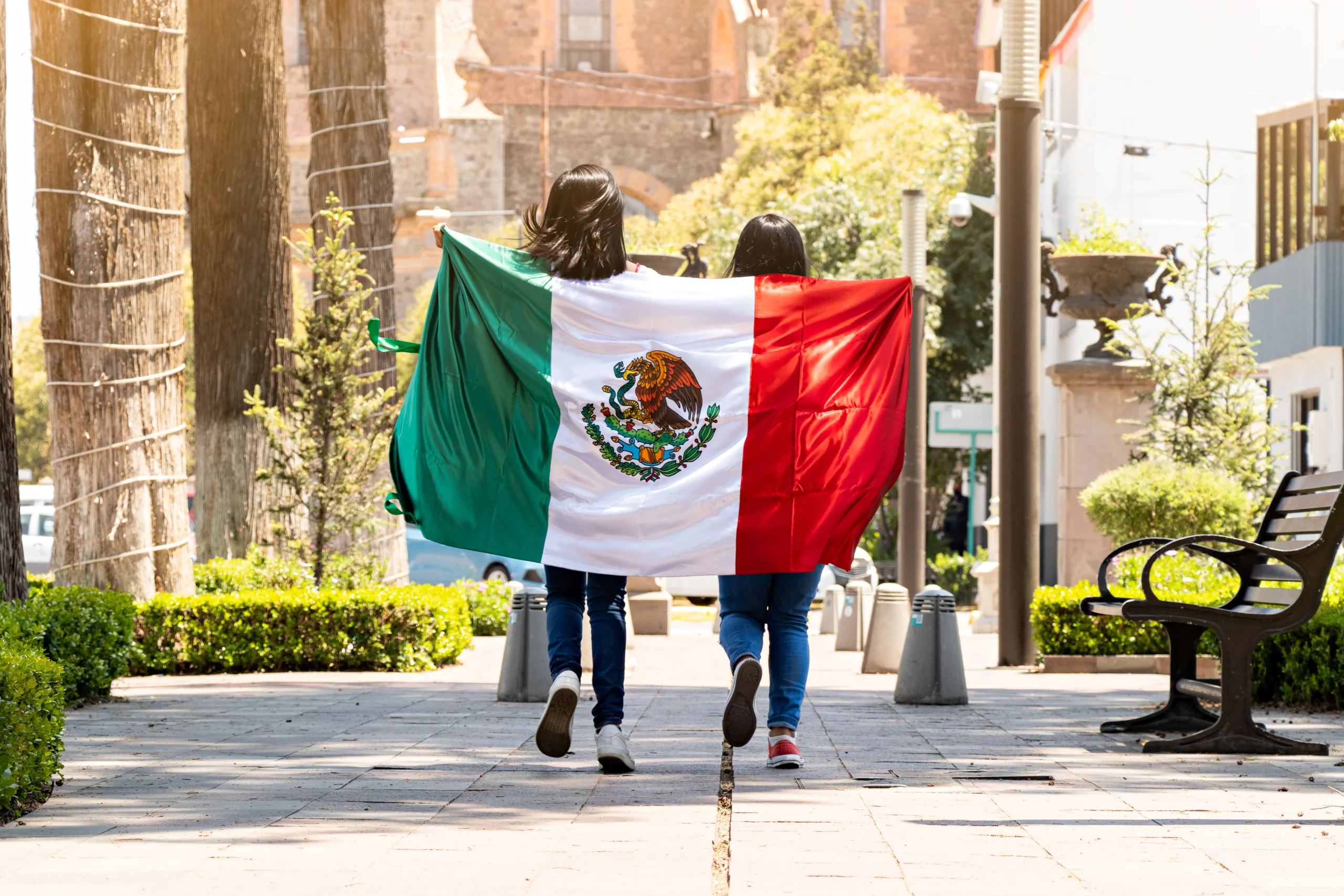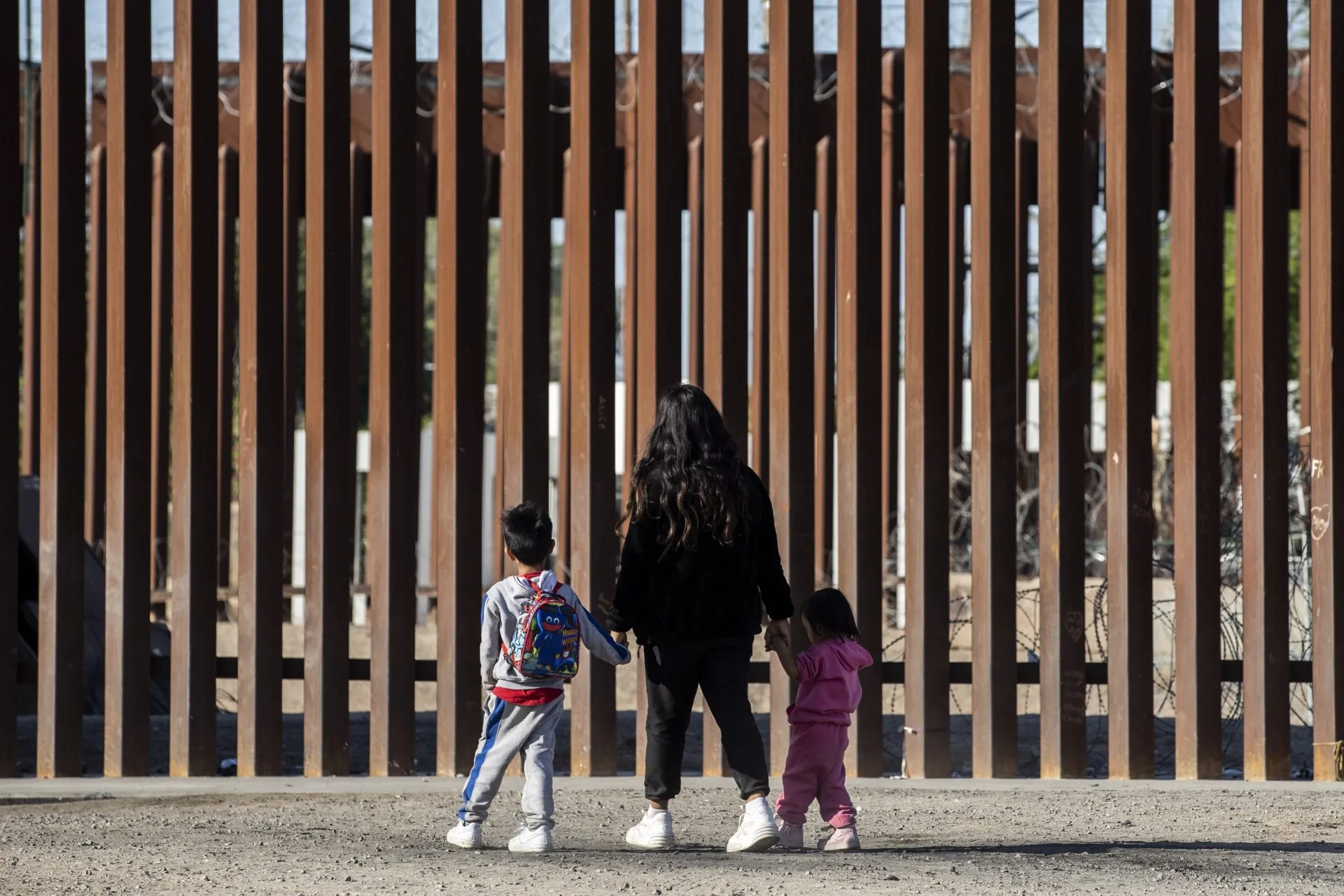
The Midwest region of the United States is currently facing a social transformation with profound economic consequences. Over the past decades, thousands of Mexican migrant families rescued dozens of rural localities from near-certain disappearance. However, current national security directives have reversed this process of community prosperity at an accelerated pace. The Immigration and Customs Enforcement (ICE) is executing a massive deportation campaign in the area today. This government strategy is forcefully emptying the same neighborhoods that migration managed to revitalize.
Therefore, the current depopulation phenomenon does not stem from a crisis in the traditional agricultural sector. The transformation is mainly due to policy decisions from the White House under the Donald Trump administration. An extensive investigative field report published by the prestigious British newspaper The Sunday Times documented this harsh reality. Journalists traveled through various counties to record the impact of mass arrests on the population. The direct intervention of federal forces has shattered the social fabric of entire communities.
As a consequence, anxiety permeates daily life in businesses, public schools, and meat processing plants. Selective detentions weaken essential services and threaten the financial viability of local businesses drastically. Many neighborhoods that overcame rural abandonment in the past century are returning to a scenario of isolation. The fear of being captured forces undocumented residents to hide in their homes. In this way, the state’s public life suffers an unprecedented structural paralysis.
How did Iowa’s towns go from ghost towns to thriving communities?
To understand the current impact, it is necessary to first review the historical conditions of the region during the 1990s. In that distant decade, the town of Marshalltown was losing residents at an extremely accelerated pace due to lack of employment. Commercial storefronts were boarded up, streets remained empty, and the local financial sector was in free fall. Local farmers accumulated unpayable debts and the meat processing plant cut salaries in half. Facing a lack of opportunities, hundreds of native citizens decided to emigrate to major metropolitan areas.
In contrast, the labor and population vacuum was filled by a numerous wave of workers from Mexico. The arrival of this workforce led to a cultural and economic revitalization of historic proportions in the state. Today, 40% of Marshalltown’s current 28,000 residents belong to ethnic minorities. The local high school implemented a successful bilingual education program to integrate all young people. In classrooms, students with surnames of Norwegian origin speak Spanish with a marked Mexican accent.
Furthermore, religious diversity also flourished in these former agricultural wastelands thanks to international migration. The local Methodist congregation offers Sunday services in Swahili and there is a Buddhist temple on the outskirts. Wade Dooley, a sixth-generation Iowa farmer, shared his valuable testimony with the British media outlet The Sunday Times. The producer affirmed that the urban center is now much more beautiful thanks to the efforts of the immigrant population. Commerce flourished and housing recovered its true market value.