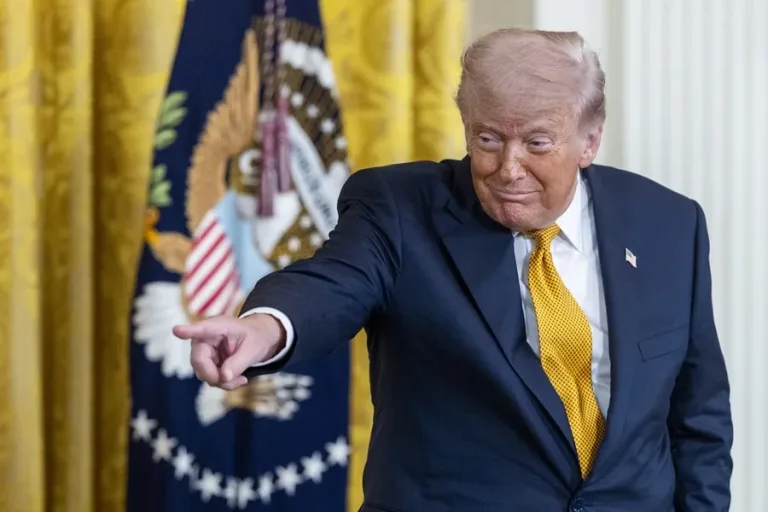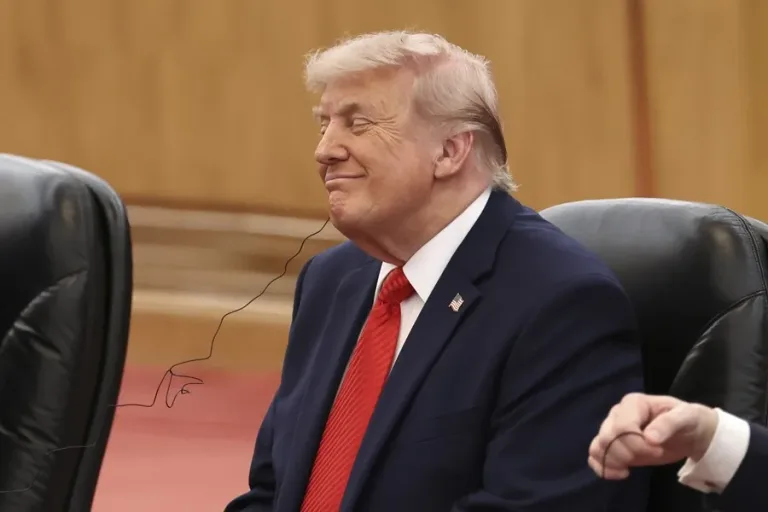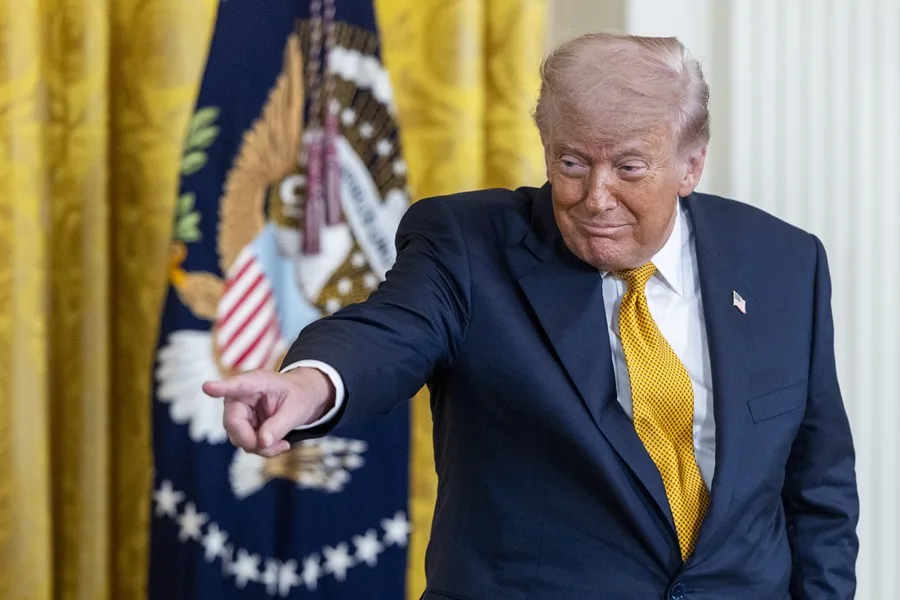
Global geopolitical tension has reached a new critical point due to the latest statements issued from the White House. U.S. President Donald Trump has launched a strong warning to the Iranian government this Sunday amid bilateral negotiations. The American leader asserted bluntly that the deadline for reaching a final agreement is running out rapidly. Through his official channels, the Republican leader escalated pressure on Tehran with a discourse of high military hostility.
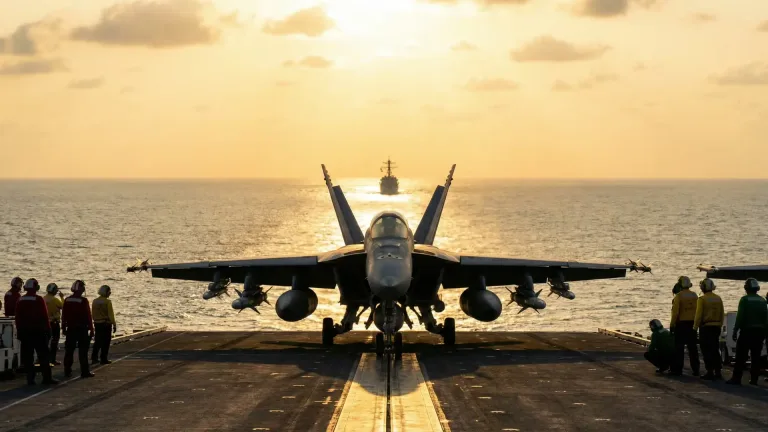
Trump’s warning was not limited solely to setting a time limit for the conclusion of ongoing diplomatic dialogue. The President of the United States explicitly warned that nothing will remain of the Persian nation if it decides to launch attacks. This tough stance arises amid a fragile negotiation process seeking to stabilize Middle East borders. However, the language used by Washington suggests that the option of a massive military offensive remains fully active.
The presidential message spread rapidly at the international level, generating concern in financial markets and multilateral organizations. “Time is running out for Iran and the best thing they can do is act quickly or nothing will be left of them,” Trump stated. The leader insisted that the time factor is essential to avoid an escalation of violence with unpredictable consequences. With this statement, the U.S. government seeks to force Iranian authorities to accept the terms of the proposed agreement.
How is Iran’s diplomatic strategy advancing in the face of Washington’s threats?
Facing intense pressure exerted by the White House, the Islamic Republic’s diplomacy has activated its own international mechanisms. Iran’s Foreign Minister Abbas Araqchi led an intense day of telephone contacts with strategic allies this Sunday. The head of Persian diplomacy spoke with his counterparts from South Korea, Cho Hyun, and from the State of Qatar, Mohamed bin Abdulrahman al Thani. These contacts seek to consolidate a support network amid the crisis.
The official calls are part of the diplomatic round opened immediately after the latest bilateral ceasefire was agreed upon. The Iranian Foreign Ministry issued an official statement detailing the points addressed during the exchange of opinions with the Qatari government. According to the institutional note, Araqchi and Al Thani analyzed with concern the latest regional developments threatening common security. Tehran is attempting to demonstrate that it maintains open dialogue channels with key mediating powers in the Persian Gulf.
Likewise, the Iranian chancellor evaluated risk scenarios with South Korea’s diplomatic representative in a separate conversation. These maneuvers reflect Tehran’s interest in diversifying its political interlocutors in the face of the isolation promoted by the American administration. The Iranian government seeks to generate political counterweight against the rhetoric of force coming from Washington. For analysts, this international activity demonstrates that the Persian nation does not plan to easily yield to unilateral demands.
What arguments does Tehran use to reject the U.S. pacifying discourse?
Iran’s institutional response to Donald Trump’s statements adopted a tone of profound ideological and legal confrontation. Iranian Foreign Ministry spokesman Esmaeil Baqaei dismissed the American argument about protecting commercial routes. The Persian official rejected that Washington is acting motivated by the desire to preserve peace and global energy stability. For Tehran, the American statements constitute a deceptive narrative that seeks to conceal bellicose intentions.
“The new big lie to justify their illegal war is that they are preserving peace and stability,” Baqaei stated publicly. The institutional spokesperson directly pointed to the governments of the United States and Israel for frustrating previous diplomatic processes. According to Iran’s position, the foreign policy of both nations is characterized by reckless militarism that destabilizes the region. In this way, Tehran returns responsibility for the crisis to the alliance formed by Washington and Tel Aviv.
The ministry spokesman denounced what he described as unprovoked military aggression against the sovereign territory of the Persian nation. Baqaei argued that Western naval and aerial actions have deliberately provoked insecurity in vital maritime routes. The official accused the White House of employing