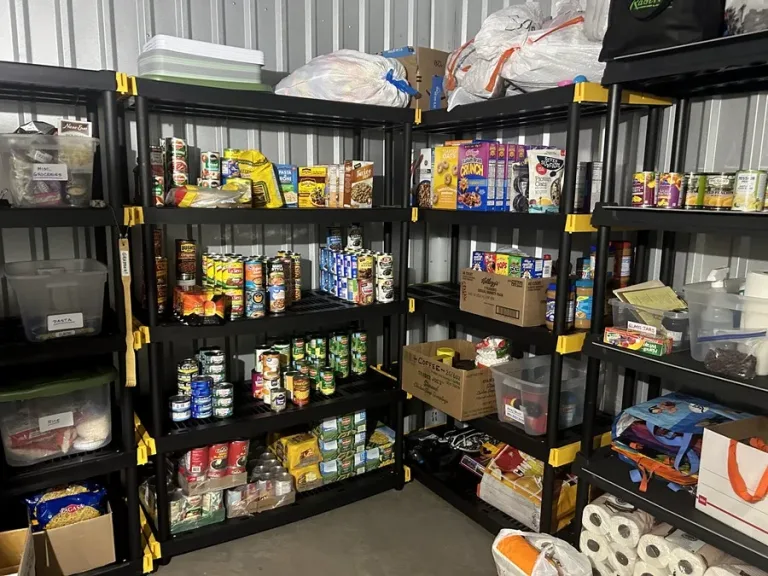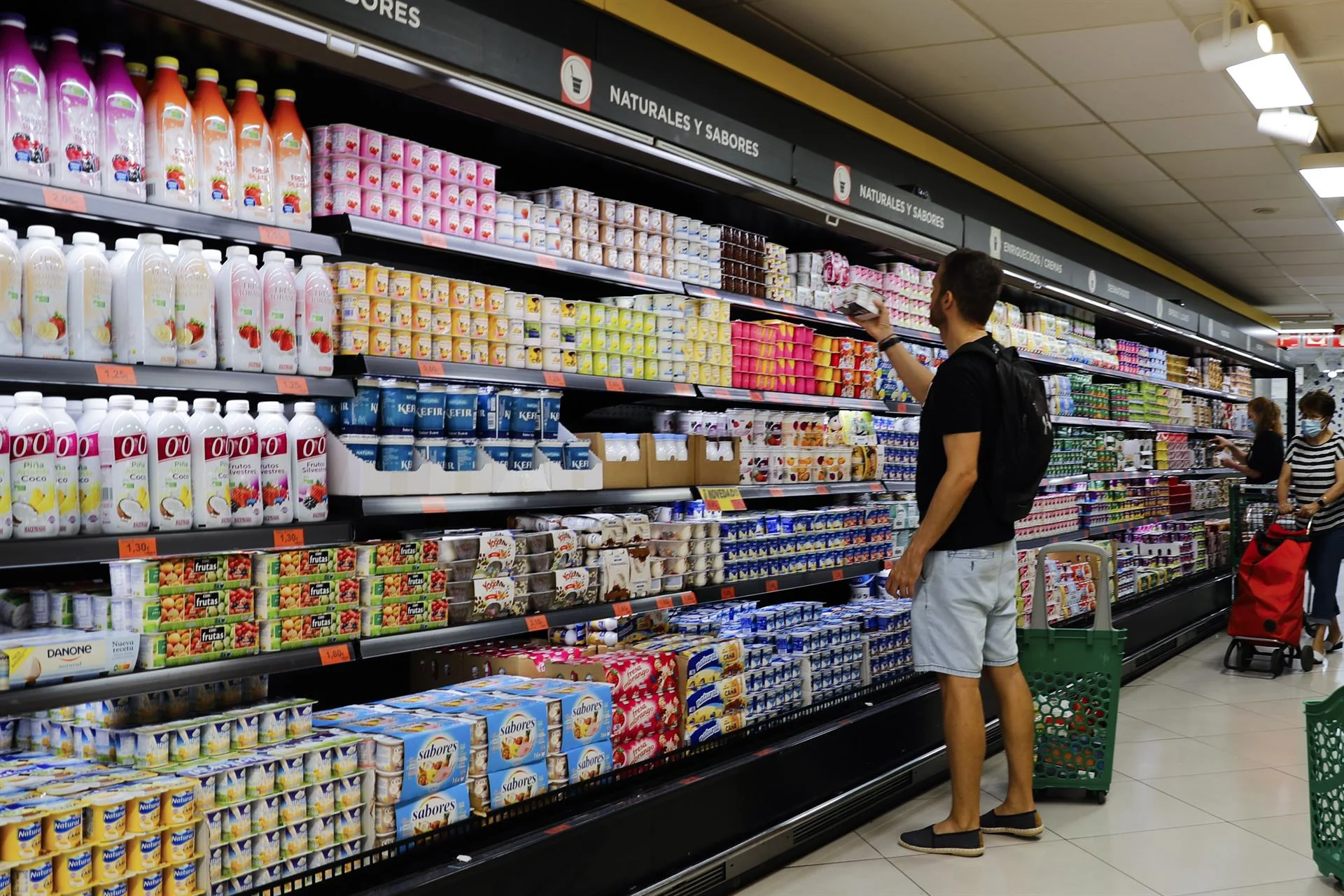
The daily act of stocking the pantry has become a genuine financial crossroads for millions of Hispanic families in the United States. Upon leaving a commercial establishment in New York, frustration is the common sentiment among shoppers of Latino origin. Faces of worry show that money stretches less and less in neighborhoods where Hispanic identity defines commerce. The reality at checkout registers contradicts official discourse about the country’s macroeconomic stability.
For consumers, current economic pressure is not analyzed through complex financial graphs, but rather through the weight of plastic bags. The housing crisis and rising food costs force the population to constantly juggle their weekly incomes. Those working in community service sectors suffer the impact of inflation that devours their salaries at an alarming rate. This situation drastically reduces savings margins and the ability to send remittances to their countries of origin.
Financial strain affects the dynamics of coexistence and emotional well-being of young students and middle-class workers. Many are forced to cancel recreational outings to remain confined to their apartments due to high cost of living. Testimonies reflect that rising basic necessities costs have ceased to be a statistical metric to become a human drama. Social discontent grows at the doors of supermarkets in Upper Manhattan and other key urban zones.
How Does the Price Increase Impact Hispanic Household Budgets?
The impact of inflation tends to be distributed very unevenly within the social structure of the American nation. According to official data provided by the Bureau of Labor Statistics (BLS), annual inflation climbed to 3.8% during the month of April. This figure represents the highest level recorded by this indicator in the last three years, setting off government alarms. The economic phenomenon strikes hardest at minorities due to the historical distribution of their essential expenses.
Michael Negrón, senior researcher at the Center for American Progress, points out that Latino households allocate their income primarily to basic necessities. Hispanic households invest almost 15% of their entire monthly budget exclusively on purchasing food for the family. Additionally, BLS statistics indicate they allocate an additional 8% to cover energy expenses for their homes. Both percentages fall well above the national average recorded for other demographic groups in the country.
| Budget Category | Average Latino Spending (%) | Impact on Community |
| Food and Groceries | 15.0% | Critical due to constant increases |
| Energy and Electricity | 8.0% | High due to summer rates |
| Transportation and Gasoline | High | Affects long commutes |
To this situation is added the high automobile dependence that characterizes the Hispanic labor force in U.S. territory. Many workers must travel very long distances daily from peripheral zones to their employment centers in cities. According to the motorist federation AAA, the average price of fuel has already exceeded the $4.50 per gallon barrier. Therefore, increased transportation costs raise both individual commuting and merchandise distribution logistics.