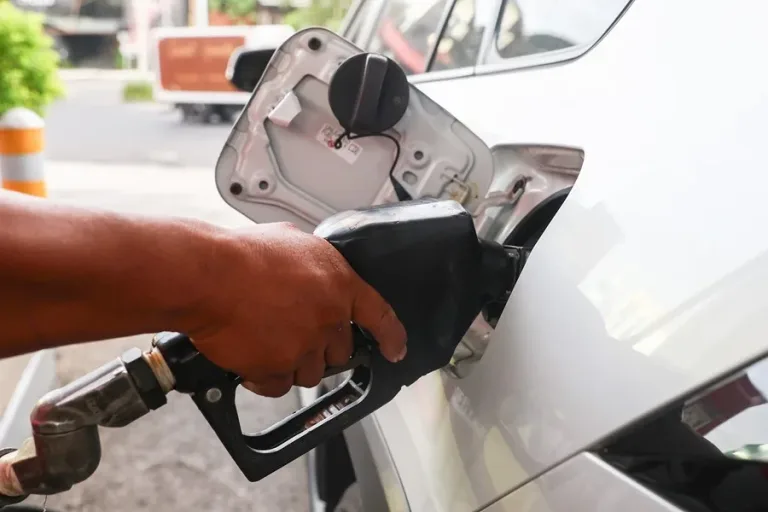
Democrats in the U.S. Congress have reactivated a political offensive to respond to rising gasoline prices. The new push centers on a bill designed to penalize extraordinary profits made by major oil companies. The proposal resurfaces at a time of high international tension, with the conflict with Iran pressuring the energy market and directly hitting drivers’ wallets.
The initiative is called the Big Oil Windfall Profit Tax Act and was introduced on March 17 by Representative Ro Khanna, from California, and Senator Sheldon Whitehouse from Rhode Island. The goal is clear: tax companies that benefit from the oil price surge and return that money to consumers. For Democrats, the fuel price increase is no longer just an economic problem. It is also a first-order political risk.
Why Have Gasoline Prices Returned to the Center of Political Debate?
The fuel price increase occurs as the White House attempts to contain the economic and electoral consequences of the Middle East conflict. According to Reuters reporting, government officials face the impact of Iran’s blockade of the Strait of Hormuz. Before the war, roughly one-fifth of global energy transited through that waterway. The interruption disrupted an already volatile market and reduced available supply.
In this scenario, Democrats seek to establish the idea that oil companies should not benefit without limits from an international crisis. The rhetoric targets “windfall profits” by major companies. Whitehouse summarized this message when presenting the proposal. He said that any extraordinary benefits to major oil companies should go back to working people who paid more at the pump. That line connects everyday economics with tax fairness.
What Support Does the Proposal Have Within the Democratic Party?
The bill adds co-sponsors with weight within the Democratic bloc. Among them are Senators Elizabeth Warren, Bernie Sanders, and Cory Booker. In the House of Representatives, Khanna introduced the bill with initial support from Rashida Tlaib and Seth Magaziner. In recent weeks, five additional representatives joined, a sign that the issue gains traction as gasoline prices rise and geopolitical tensions deepen.
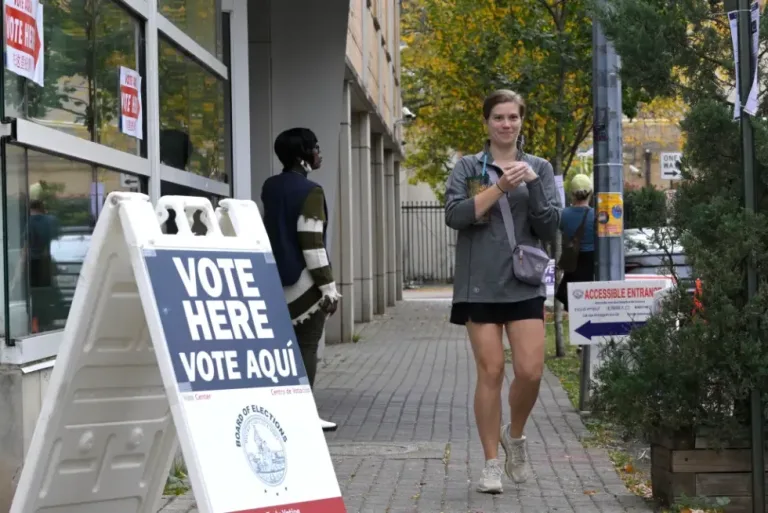
Among the legislators who joined are Mike Quigley, Gabe Amo, Al Green, Jared Huffman, and Chellie Pingree. The sequence shows a gradual expansion of support. It is not yet total consensus within the party, but it is a relevant political signal. Democrats are trying to appear active on an issue that affects millions of voters and could dominate the campaign heading into November.
This electoral calculation is central. Historically, fuel costs affect perceptions about the economy more than other complex indicators. The average driver does not follow daily barrel prices or maritime trade conditions. But they do see each week how much they pay to fill up the tank. This is why the fight over gasoline prices carries such strong political weight. It is a concrete, visible issue that is easy to translate into votes.
What Alternative Does Trump Push in Response to Rising Fuel Costs?
While Democrats promote a tax on oil companies, President Donald Trump supports a different approach. According to Reuters, his administration’s proposal consists of temporarily suspending the federal gasoline tax. That tax equals cents per gallon. The measure seeks to offer immediate and visible relief to consumers without opening direct confrontation with major energy companies.
The difference between both approaches is political and economic. Democrats want to redistribute part of the extraordinary profits from the oil sector. Trump bets on temporarily reducing the tax burden on fuel. The first path requires more legislative debate, but promises to return more money if prices remain high. The second is simpler to communicate, though its impact may be limited.