Florida’s political and fiscal landscape has undergone a definitive shift following intense legislative negotiation sessions. Leaders of the House of Representatives and Senate reached a final agreement on the budget for the fiscal year beginning July 1, 2026. This economic pact amounts to nearly $115 billion, a middle figure between both chambers’ proposals. The resolution comes after the regular session concluded on March 13 without clear consensus on public spending.
Citizens’ uncertainty about the future of essential public services finally finds a concrete answer in this official document. The agreement between legislators was consolidated on May 24, requiring bipartisan effort for the second consecutive year. The final budget sits above the $113.6 billion originally defended by the House of Representatives. Local analysts note that this budget balances fiscal discipline with funding for high-impact social programs.
Education and health areas concentrate most of the attention and resources allocated in this financial plan. State residents observed with concern how political disputes delayed fund allocation for schools and medical treatments. Internal tensions reflected opposing views on government oversight and public resource management. The final ratification of this $115 billion budget defines the rules for community development.
How Will the New Budget Impact Florida’s Public and Private Schools?
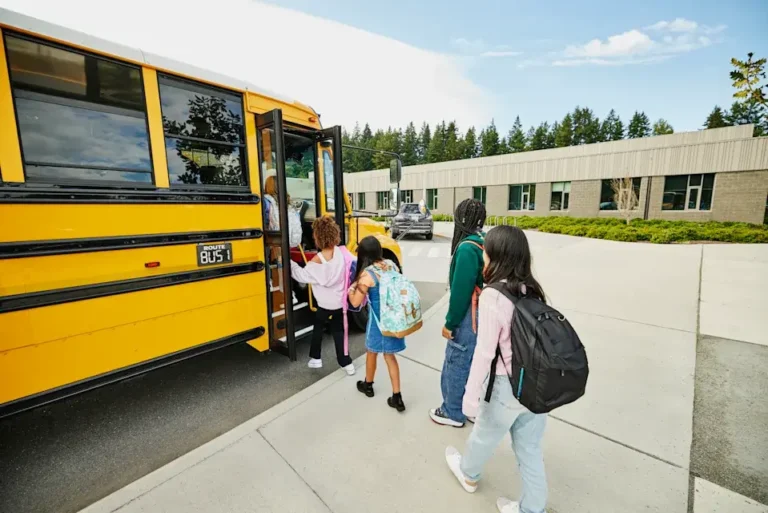
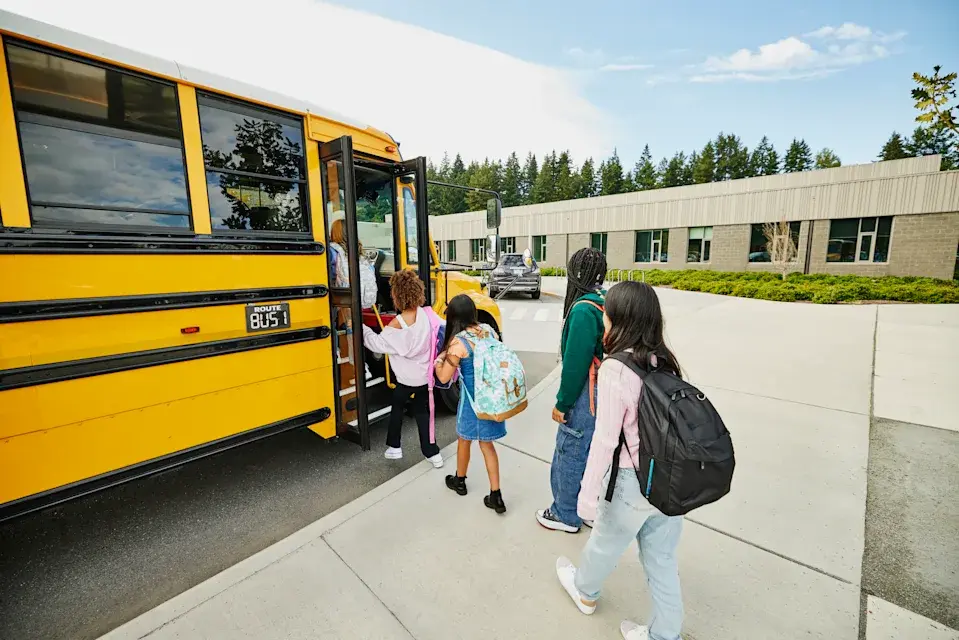
The education sector receives financial support designed to shield institutions against enrollment fluctuations. State authorities designed protection mechanisms to prevent drastic cuts in districts losing students rapidly. This measure follows financial crises in Union and Glades counties, whose local schools fell under emergency administration. The main objective is to guarantee operational continuity of schools in the region’s most vulnerable areas.
On the other hand, the scholarship and school voucher program, valued at $4.5 billion, maintains its central financing structure. The Florida Senate pressured for strict oversight due to an audit that revealed serious internal management problems. Finally, funds for homeschooling and private tuition remain within the main financing formula.
| Education Sector | Budget / Measure | Main Impact |
| Voucher Program | $4.5 billion | Financing integrated into the main formula without restrictive oversight. |
| Rural Schools | $7 million | Capital assistance limited to counties with fewer than 10,000 residents before December 1. |
| Crisis Districts | Enrollment Protection | Subsidies to prevent emergency administration in low school density areas. |
Infrastructure allocations also underwent significant modifications based on strict demographic criteria. A $7 million fund for capital improvements in private schools was restricted exclusively to rural counties. These areas must have fewer than 10,000 residents to access state economic benefits. Additionally, parliamentary rules require all disbursement of these resources to be executed before December 1, 2026.
What Structural Changes Were Approved for the State’s Public Universities?
The state legislature’s decisions transform higher education through strategic acquisitions and tra