Texas’s tense political landscape is experiencing an unprecedented transformation in 2026. Following a fierce contest that exceeded one hundred million dollars in advertising, the waters appear divided. Conservative leaders have entered a phase of strategic silence while awaiting final results. This panorama generates immense expectation across the nation regarding legislative control. The historic hegemony of the ruling party in the Lone Star State faces its most complex test.
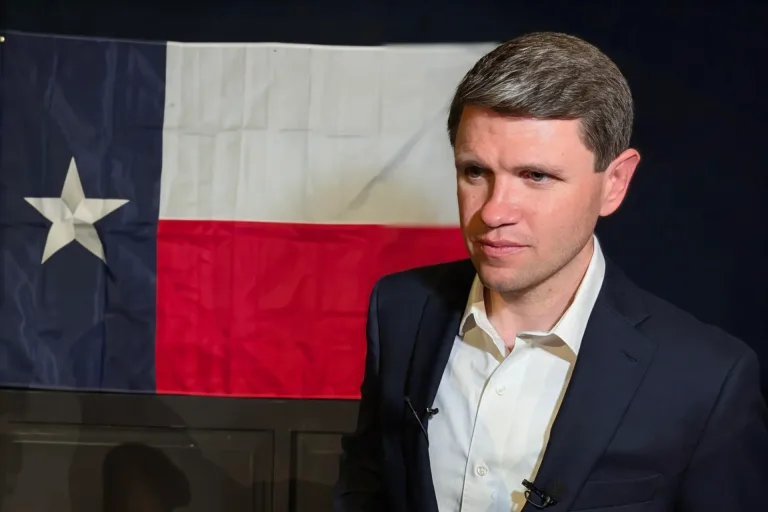
Meanwhile, the opposition watches closely the internal erosion of its traditional rivals. Democratic representative James Talarico awaits the official results of the second Republican primary round with optimism. Local analysts suggest that mutual destruction between conservative factions directly benefits his candidacy. For more than three decades, no member of his party has secured a Senate seat in Texas. This historic drought could end due to deep ideological rifts on the opposing side.
The surprising intervention of national figures completely altered initial projections of the political apparatus. The recent endorsement by former President Donald Trump of a specific candidate raised alarms for the traditional wing. What was intended to unify party positions ended up deepening existing fractures among local leaders. Strategists from both organizations agree that the current landscape is highly unusual. The path to the Capitol in Washington is presented today as more contested than ever.
How Did Donald Trump’s Endorsement Alter Traditional Projections in the Party’s Primaries?
Former President Trump’s decision to formally support Attorney General Ken Paxton shook conservative structures. This move weakened the position of seasoned Senator John Cornyn, the traditional sector’s favorite. The strategy of prioritizing absolute loyalty over general election viability raises doubts among voters. Candidates aligned with this rhetoric typically encounter difficulties outside internal primary elections. Moderate and independent figures show growing rejection toward positions considered radical or extreme.
On the other hand, Cornyn represents the institutional option with four terms of experience in the upper chamber. Although he supported the previous administration’s economic agenda, his past disagreements with Trump cost him favor. The harder bases of the movement do not forgive his past criticism regarding border wall funding. This internal division fragments resources and exhausts activist energy before the real battle. The wear on conservative public figures offers fertile ground for opposition advancement.
| Republican Candidate | Key Strengths | Main Weaknesses |
| Ken Paxton | Donald Trump’s endorsement and strong support from the hard base. | Questionable ethical history and previous political trials. |
| John Cornyn | Institutional trajectory and broad establishment support. | Distancing from the MAGA sector and past tensions. |
Paxton’s judicial history remains a vulnerable flank that the opposition plans to exploit intensely. Despite his previous acquittals, questions about corruption and financial fraud remain in collective memory. Personal controversies add a component of uncertainty that distances business sectors in the state. If this official wins on Tuesday, the general contest will acquire an extremely competitive character. Democrats see a historic opportunity where an impenetrable wall previously existed.
Why Does James Talarico’s Profile Generate Optimism Among Independent Strategists?
James Talarico stands out in the current political landscape due to his unconventional personal and professional characteristics. The young