The United States and Iran are moving toward a possible agreement that could end months of confrontation in the Middle East. Senior officials from both countries confirmed a provisional understanding. However, the pact still depends on the final evaluation by President Donald Trump. The announcement comes amid high military tension. In recent hours, both nations exchanged drone and missile attacks. These events demonstrate the fragility of the ceasefire declared in April. The possible truce includes multiple conditions. Treasury Secretary Scott Bessent noted that the agreement is “multifaceted.” He also warned that Trump will not accept terms he considers unfavorable.
What Are the Conditions of the Agreement Between the United States and Iran?
One of the central points is the reopening of the Strait of Hormuz. This waterway is key to global oil trade. About 20% of the world’s supply passes through it. The United States also demands that Iran surrender its highly enriched uranium. It also calls for the total abandonment of its nuclear program. These demands have historically been the main obstacles in negotiations. For its part, Iran demands the lifting of economic sanctions. It also requires the return of frozen assets abroad. These differences keep the agreement in a delicate phase.
What Happened in the Recent Military Exchange?
Tensions increased following a U.S. attack against a facility in Bandar Abbas. The action occurred after U.S. forces shot down five Iranian drones. According to Central Command, the devices posed a threat to navigation. Iran responded with an attack against an air base in Kuwait. Kuwaiti authorities intercepted a ballistic missile. The action was condemned by the United States and its allies. Both sides defend their actions as defensive measures. However, the risk of escalation remains present. The ceasefire remains under constant pressure.
How Does the Conflict Impact Oil Prices?
The partial closure of the Strait of Hormuz has had global effects. Oil prices have recorded significant increases. This has directly impacted fuel costs. In the United States, rising gasoline prices generate political concern. The issue gains relevance just months before midterm elections. The economic situation influences public perception. Additionally, Iran has raised the possibility of charging tolls to ships. This proposal has been rejected by Washington. The measure could further aggravate the energy crisis.
What Role Does Trump Play in the Negotiation?
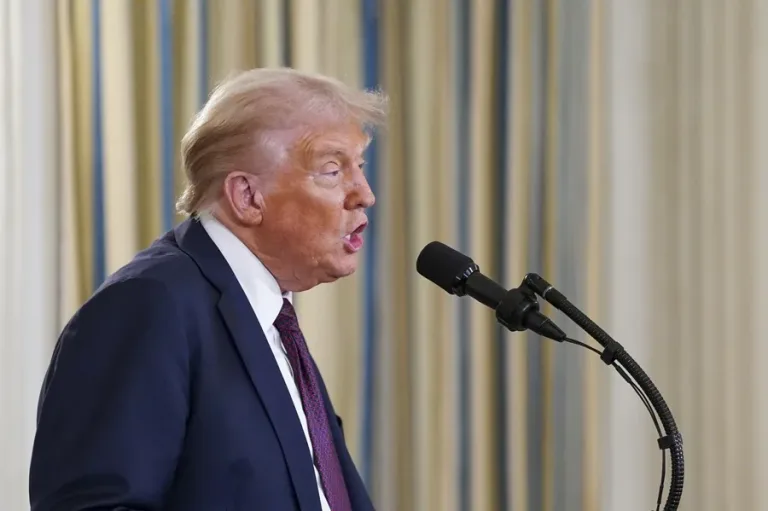
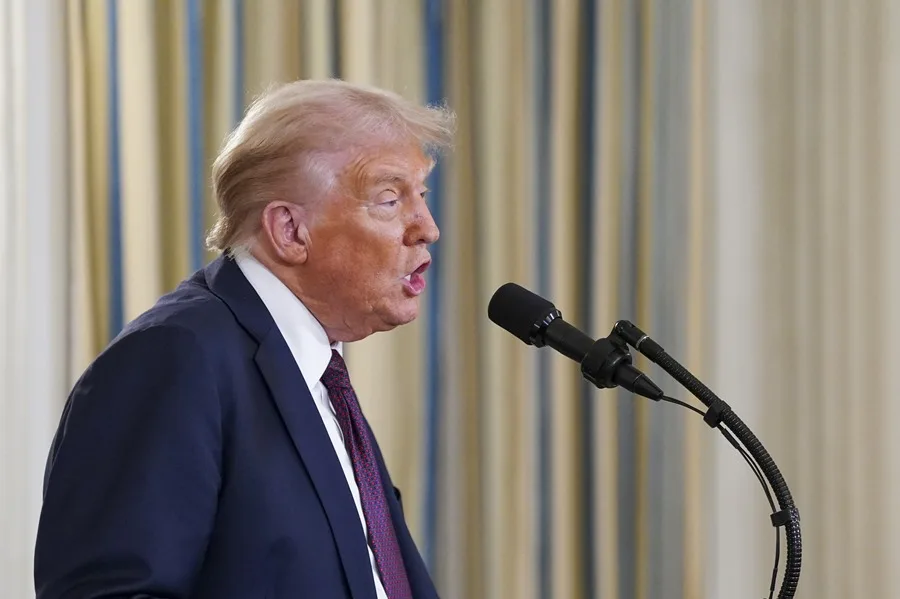
President Donald Trump maintains a firm stance. He has indicated that the United States has the advantage in negotiations. He also stated that he does not feel pressured by time. Trump insists on maintaining control over frozen Iranian funds. He assures that they will only be released if Iran complies with the conditions. This position strengthens his economic pressure strategy. The president has also compared the conflict to prolonged wars. He seeks to convey that the current confrontation is relatively brief. However, he faces criticism for the domestic economic impact.
How Do Israel and the Region Influence the Agreement?
The regional context complicates negotiations. Israel, a U.S. ally, maintains operations against targets linked to Iran. This includes attacks in Lebanon against Hezbollah positions. Military actions have heightened tension in the region. They also hinder the possibility of a comprehensive agreement. Strategic differences among allies generate additional pressure. Furthermore, the United States pushes for diplomatic agreements between Arab countries and Israel. This strategy seeks to reconfigure regional balance. However, some countries have shown caution toward these initiatives. The possible agreement between the United States and Iran represents an opportunity to reduce tension. Nevertheless, the demanded conditions and military context make it uncertain.