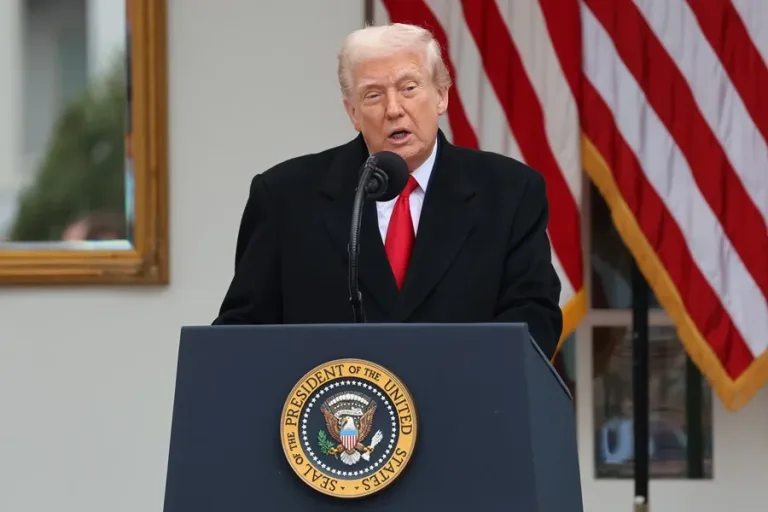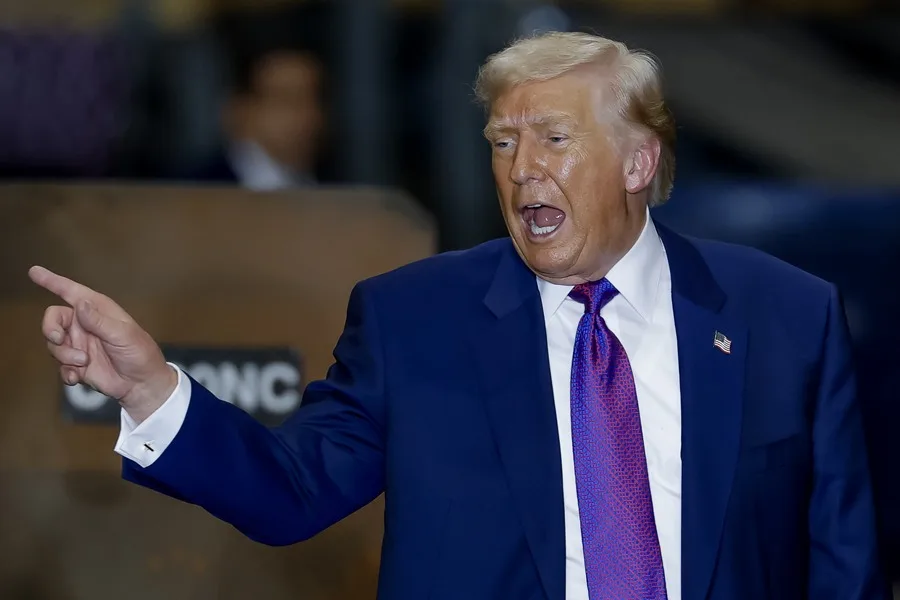
U.S. President Donald Trump sparked a new diplomatic uproar on Tuesday. He publicly stated that Cuba is a failed nation currently seeking help. Additionally, the American president asserted that he will respond to this crisis through political dialogue.
However, these possible conversations appear completely stalled at present. The statements come amid strong threats from Trump about taking control of the island. The Republican leader used his digital platform Truth Social to communicate this official position.
“Cuba is asking for help and we are going to talk,” the president wrote. He also emphasized that the Caribbean country is moving in only one direction: downward. Following this message, according to CNN, Trump began his anticipated diplomatic trip to Beijing. There he will meet with Xi Jinping, president of China and a historic ally of Havana. This trip to Asia is crucial because Beijing represents an essential economic lifeline for the Caribbean island. An agreement between the two great superpowers could quickly define the political future of the Western Hemisphere.
What economic pressure measures did Washington recently apply?
The U.S. government drastically increased financial pressure on Cuban territory recently. Washington imposed severe expansion of economic trade sanctions. These penalties cover nearly any foreign person or company doing business with the island.
The hardest-hit sectors are energy, defense, security, and unstable Caribbean finances. The most recent punitive actions target directly the enormous Cuban military conglomerate known worldwide as Gaesa. The American government also severely sanctioned the top executives of this powerful state corporation. This measure seeks to strangle the main sources of income for the communist regime.
Additionally, the punishment reached a mining company in a joint venture with Canadian company Sherritt. This is one of the largest foreign corporations operating on Cuban soil. Following the sanctions, the American company announced the immediate suspension of its local mining activity.
Are there real advances in bilateral negotiations?
This asphyxiating financial siege adds to the strict oil blockade imposed last January by Trump. This measure dramatically worsened the fuel shortage that Cuban citizens suffer every day. The American president firmly warned that he could take total control of Cuba almost immediately. He even publicly suggested deploying the impressive nuclear aircraft carrier USS Abraham Lincoln to warm Caribbean waters.
Despite this aggressive antagonistic rhetoric, both governments engaged in tentative diplomatic negotiations. The only known physical and confidential meeting occurred during last April. Unfortunately, this official meeting ended without any significant bilateral progress.
Currently, the scarce bilateral dialogue channels appear completely paralyzed and stalled. According to reports from the Reuters agency, an alleged list of Washington demands was leaked. American priorities include deep economic reforms and the release of numerous political prisoners.
How does the Cuban government respond to military threats?
The Havana government categorically denied receiving any such official list of American impositions. The regime considers these press leaks are designed to manipulate international public opinion and generate destabilization. Meanwhile, the Republican administration in Washington continues planning new strategies of international political asphyxiation. U.S. Secretary of State Marco Rubio recently confirmed this harsh government position.