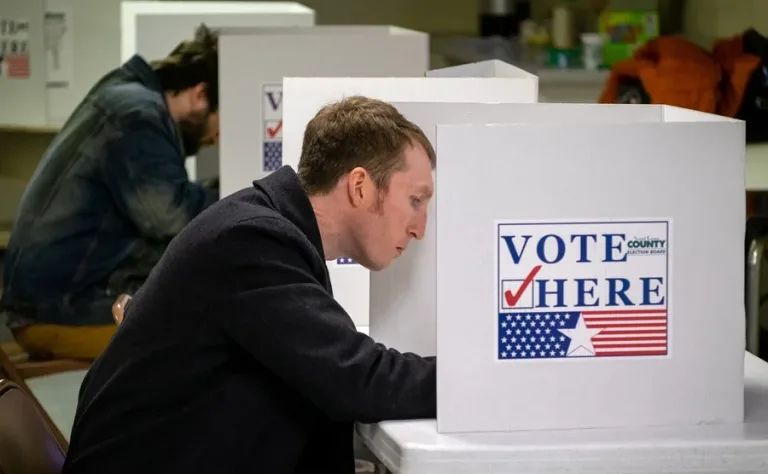
On Tuesday, May 19, primary elections are being held in Alabama, Georgia, Idaho, Kentucky, Oregon and Pennsylvania, a day closely watched by both parties because it helps measure their strength ahead of the midterm elections in November, according to AP News and the Ballotpedia statewide calendar.
The election day includes contests for governorships, the federal Senate, House of Representatives, state legislatures, and other executive offices. In several states, these primaries also function as an internal test of who controls each party’s message.
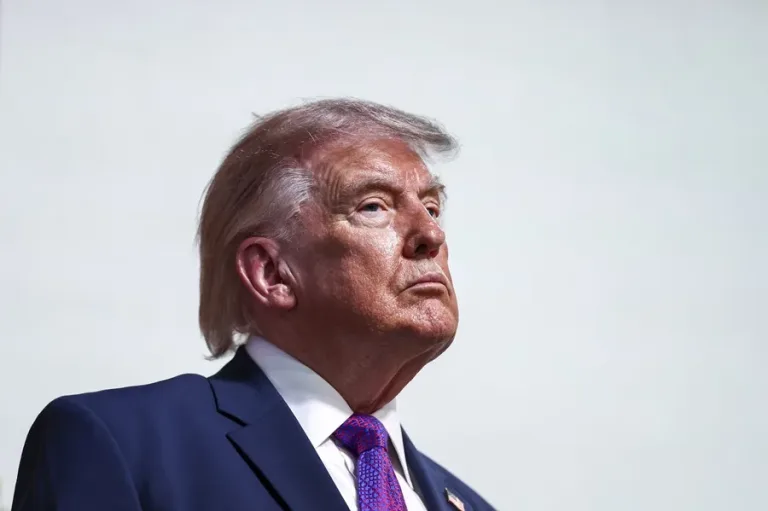
National focus once again falls on Donald Trump because several Republican candidates are competing with his direct backing or in open tension with him. For this reason, the results will not only determine names on the ballot. They will also show whether the president maintains the same capacity to command the Republican base in very different territories.
The political reading will be twofold. In the Republican Party, observers will watch whether Trump‘s endorsement continues to defeat long track records, local campaigns and well-funded candidacies. In the Democratic Party, analysts will evaluate whether national figures, such as Josh Shapiro in Pennsylvania, manage to strengthen their allies and expand their influence heading toward 2028.
Why Do These Primaries Measure Trump’s Real Power?
Kentucky concentrates one of the day’s most symbolic battles. There, Congressman Thomas Massie faces a strong political offensive driven by Trump, who decided to back newcomer Ed Gallrein. The dispute matters because Massie is no ordinary rival. He is a Republican with his own base, years in Congress, and a recent history of public disagreements with the White House.
Trump converted that contest into a personal test of party discipline. The president has been criticizing Massie for his votes against key pieces of the official agenda and for challenging central decisions by Republican leadership. If Gallrein manages to prevail, the internal message will be clear. Opposing Trump within the party can have an immediate cost.
Georgia offers another distinct but equally important test. There, the Republican primary for governor pits Lieutenant Governor Burt Jones, backed by Trump, against rivals who bet on financial muscle and their own structure. In that state, names also carry weight such as Brad Raffensperger and Geoff Duncan, two figures marked by their distance from Trump since the post-election crisis of 2020. That mix makes Georgia a political laboratory on loyalty, party memory, and electoral viability.