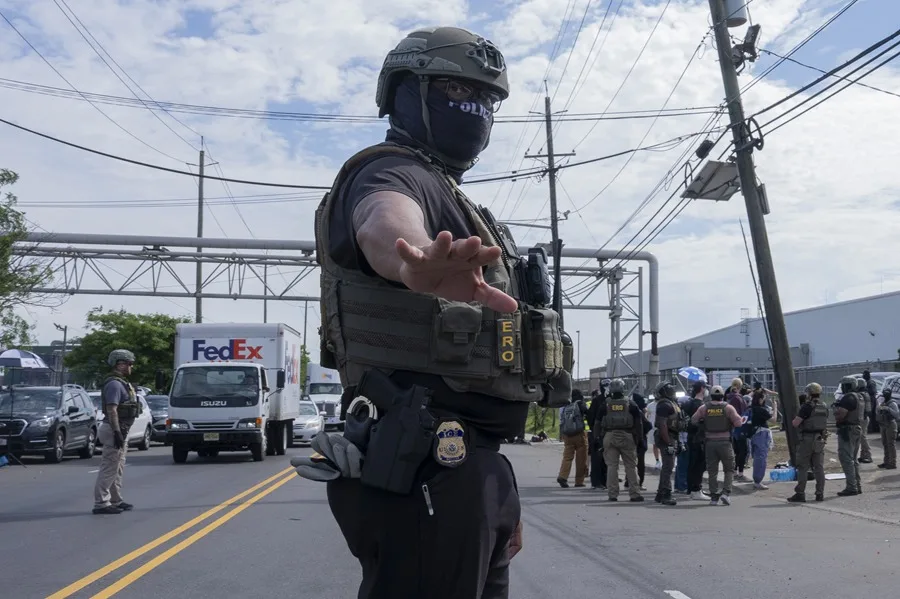
U.S. immigration policy is undergoing a period of intense public scrutiny due to the publication of recent statistical reports. The debate surrounding detention priorities has intensified following an analysis of government databases. Many Hispanic families are experiencing growing concern about increased enforcement operations in their local communities. This situation compels civil rights organizations to examine the correspondence between official announcements and actual operations. Therefore, a breakdown of official figures is essential to understanding the true impact of deportations on the social fabric.
The immigration enforcement apparatus has drastically modified its operational levels during the last fourteen months of federal management. The main problem for communities lies in the lack of specificity during mass arrests in public or residential locations. For this reason, legal advisors recommend that citizens understand their basic constitutional rights in the face of potential federal agency reviews. Political disputes over the effectiveness of these regulatory measures continue to divide opinions among legislators in Congress. However, enforcement agencies maintain the position that their operations safeguard the well-being of the country’s residents.
For demographic specialists, the current pace of removals raises complex questions about the future of the labor force. Families with mixed immigration status directly suffer the consequences of a system that does not distinguish factors of community ties. Consequently, community assistance programs attempt to mitigate the plight of minors whose legal guardians have been criminally prosecuted. The current legal framework grants broad discretionary powers to field officers to execute administrative removal orders.
What Do the Analyzed Data Reveal About the Criminal History of Arrested Immigrants?
First, a rigorous analysis of government data conducted by news outlet ABC News revealed unprecedented details about the arrests. The study determined that only 3% of people detained by the Immigration and Customs Enforcement Service (ICE) had a violent criminal record. The categories evaluated included records for homicide, sexual assault, robbery, or assault within U.S. territory during recent months of federal administration. This finding contrasts with the official narrative that justifies the severity of operations under the premise of capturing dangerous criminals.
The processing of public information access requests covered the period between January 20, 2025, and March 11, 2026. During this fourteen-month period, federal immigration authorities detained a total of 438,537 individuals. Of that global figure, only 13,018 people had criminal records corresponding to crimes classified as serious or violent under local laws.
| Category of Detained Population | Number of Individuals | Percentage of Total | Criminal Record Status in U.S. |
| Violent Crime History | 13,018 people | 3% of total | Homicide, sexual assault, assault, and robbery |
| No Violent History | 425,519 people | 97% of total | Minor offenses, infractions, or no prior record |
| Total Arrests Evaluated | 438,537 people | 100% | Consolidated data from fourteen months |
On the other hand, the total population held in federal immigration prisons currently hovers around 60,000 individuals on a consistent basis. This occupancy represents a record figure that surpasses