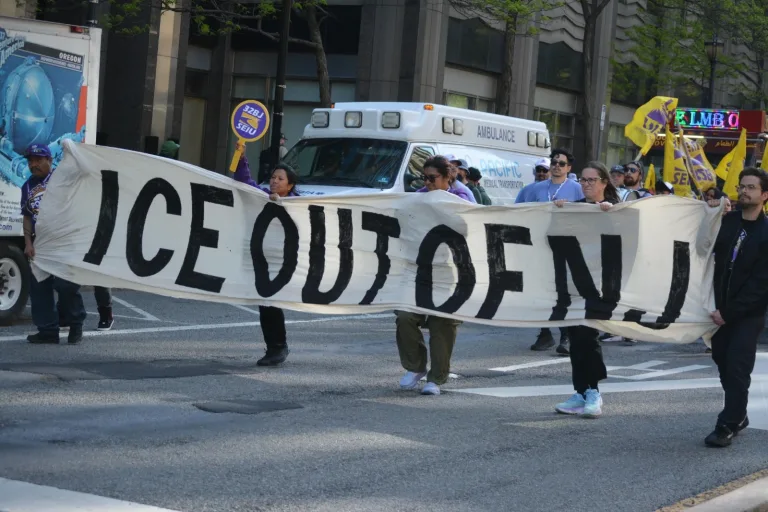
Immigration and Customs Enforcement (ICE) raids conducted during 2025 impacted not only undocumented immigrants. They also triggered a sharp employment decline and affected thousands of U.S.-born workers, according to new research on the economic effects of immigration enforcement operations in dozens of cities across the country.
The study concludes that increased ICE detentions and raids were associated with the loss of approximately 668,000 jobs in cities where immigration enforcement intensified most severely. The hardest-hit sectors were those where thousands of immigrants traditionally work: construction, accommodation services, and the restaurant industry.
Brookings research argues that the “shock and awe” strategy applied by immigration authorities generated economic effects that went far beyond detained individuals. Data shows that the largest job losses concentrated in industries with high immigrant labor participation.
Which Sectors Suffered Most from ICE Raids?
Construction led the affected sectors. According to the report, the sudden disruption of work crews caused project delays, cancellations, and operational reductions. The lack of workers affected not only immigrants but also supervisors, machinery operators, electricians, and other U.S.-born employees.
The accommodation and food service industry also took a heavy hit. Restaurants, hotels, and related businesses reported worker absences, resignations, and difficulties maintaining operations. Businesses could not fill shifts, leading to temporary closures and reduced hours.
According to a survey cited in the study, 55% of restaurant operators reported negative impacts from immigration enforcement actions. An 18% stated that employees stopped coming to work due to fear of raids. This staff shortage translated into fewer tables served, reduced service hours, and lost revenue.
How Many Jobs Were Lost Per ICE Detention?
One of the most significant findings is that job losses far exceeded the number of arrests made by ICE. Although authorities made approximately 52,000 additional detentions in the most affected cities, researchers found that each arrest was associated with the loss of up to 13 jobs in the local economy.