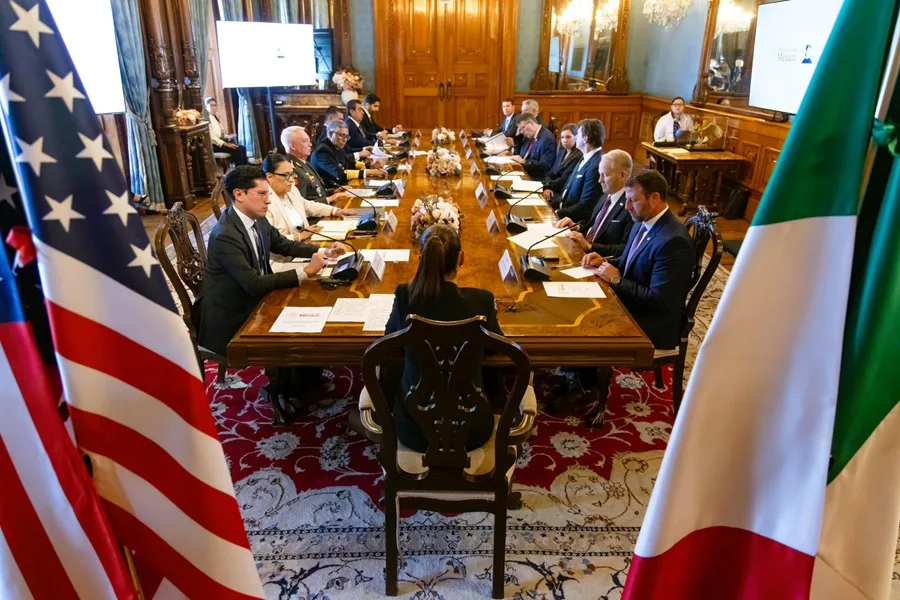
Days before the inaugural match of the 2026 World Cup, the State Department updated its travel alert. The official warning includes terrorism as a risk along with crime and kidnappings. The document was issued on May 29, 2026 to protect U.S. citizens.
The warning does not use the term generically. It applies a technical label identified with the letter T. This mark accompanies the risk classification of each state in the alert system. The system distinguishes three types of threat: crime (C), kidnapping (K), and terrorism (T).
The three host cities of the tournament received this official risk designation. The alert classifies criminal gang violence as terrorism. This distinction is what the Trump administration directly linked with major Mexican drug cartels.
How Does the State Department Classify World Cup Host Cities?
Mexico City has Level 2, which indicates heightened caution. The risk includes terrorism and organized crime in the Mexican capital. Visitors should take additional security measures when traveling in the urban area.
Nuevo León, which includes Monterrey, also has Level 2. The category is the same as the country’s capital. The risks are similar in both host cities of the soccer tournament. Caution is necessary for tourists arriving at the event.
Mexico is a popular vacation destination, but security risks vary greatly by region, so we assign travel warning levels to each Mexican state, ranging from level 1 (take normal precautions) to level 4 (do not travel). If you got tickets for a… pic.twitter.com/yQR7UxzOZB
— U.S. Embassy in Mexico (@USEmbassyMEX) June 9, 2026
Jalisco, which includes Guadalajara, has Level 3. The document warns that battles between criminal groups occur in tourist areas. Gunfire between these groups has injured or killed innocent bystanders. This requires reconsidering travel to this host city.
Six states were placed at Level 4, which means do not travel. This is the highest warning level in the system. Colima, Guerrero, Michoacán, Tamaulipas, Sinaloa, and Zacatecas are in this category. None of these states is an official 2026 World Cup host.
Mundial 2026: USA alerta riesgo de terrorismo en México
Departamento de Estado actualiza alerta para México con riesgo de terrorismo; Ciudad de México y...
Gobernadora Mikie Sherrill anuncia 770 entradas gratis para el Mundial
Mikie Sherrill entrega 770 entradas gratis a Guardian Nacional, sanitarios y pacientes pediátricos; Nueva Jersey...
The classification represents a unilateral assessment by the U.S. government. It does not reflect the official position of FIFA on the tournament’s viability. Nor does it correspond with the official position of the Mexican government.
What Restrictions Does the U.S. Government Recommend?
The alert includes restrictions that apply to U.S. government employees in Mexico. Washington strongly recommends that civilian citizens follow the same rules. These measures seek to protect the safety of travelers in Mexican territory.
Do not travel between cities after nightfall is the first recommendation. Nighttime increases the risk of incidents on highways and border areas. Travelers should arrive at their destination before dusk.