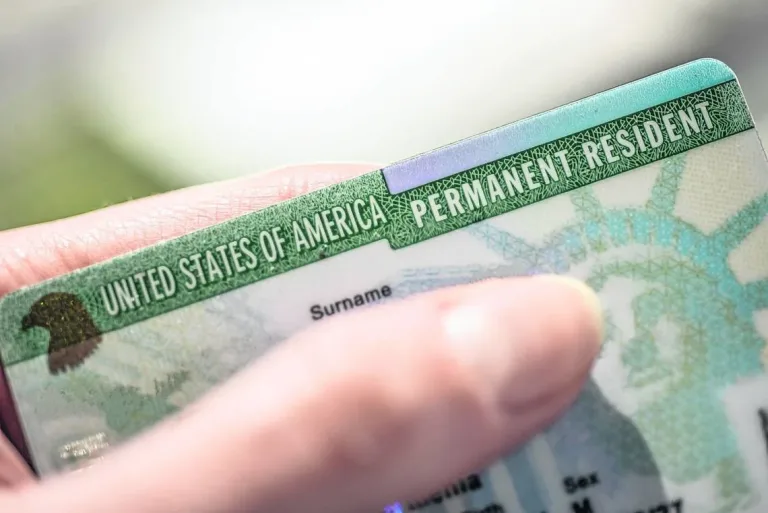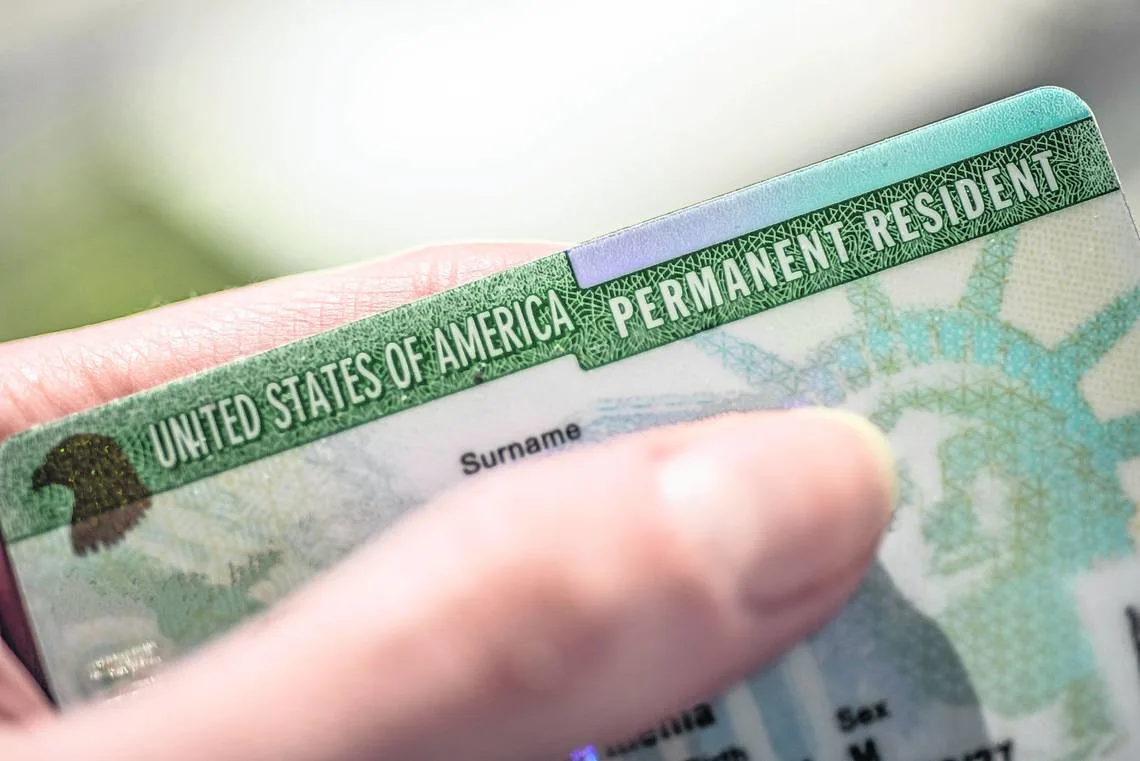
The path toward permanent residency in the United States has taken an unexpected turn for thousands of Latino families. In recent weeks, status adjustment interviews before the U.S. Citizenship and Immigration Services (USCIS) have included a new type of scrutiny. Many applicants who expected a routine process have encountered probing questions about their history of staying in the country. Various legal advisers in states such as Texas and California report that their clients are bewildered by the nature of these inquiries. The situation has raised alarms at community advisory centers. Therefore, understanding this change is vital to avoid jeopardizing legal futures in the nation.
The modification in the criteria used by officials conducting the interviews stems from a recent internal memorandum from the federal agency. The document states that certain foreign nationals should obtain their permanent resident card, popularly known as a green card, through the consular process in their countries of origin. This directive alters a legal practice supported by Congress that has functioned for decades within U.S. territory. Civil organizations express that the measure seeks to reduce status adjustments approved within the borders. Consequently, preparations for family petition appointments now require a much more rigorous and detailed strategy.
For the immigrant community, fear of receiving a negative response has increased anxiety in Hispanic households. Spouses of U.S. citizens and parents of adult children over 21 years old are the main ones affected by these evaluations. However, experts remind that current legislation maintains specific channels to resolve the situation without leaving American soil. The analysis of each migration history must be conducted individually to avoid costly errors. Below are the substantial modifications that federal authorities are applying in 2026.
What are the new questions that immigration officers are asking in interviews?
First, the change focuses on evaluating why the applicant decided not to return to their country of origin after their legal admission expired. The American Immigration Lawyers Association (AILA), which brings together lawyers specialized in this field, has compiled the most recurring questions. Officers now question the exact reasons why the person prefers status adjustment instead of going to a consular office abroad. Likewise, they inquire whether there are extenuating circumstances that prevent the immigrant from traveling to their country of birth to conclude the process.
On the other hand, authorities are directly inquiring about the family ties that the applicant still maintains in their homeland. The intention behind these questions is to determine whether the immigrant has a support network outside the United States. In statements to N+ Univision, AILA president Jeff Joseph confirmed that these questions are part of a new round of hardening in control policies. The federal administration’s objective is to meticulously evaluate the applicant’s merits before granting the immigration benefit.
-
Why didn’t you return to your country when your residence permit expired?
-
Why did you request status adjustment instead of the consular process?
-
Is there an extraordinary circumstance that prevents you from processing through the consulate?
-
Do you still have close relatives living in your country of origin?
Additionally, officials evaluate factors such as the total amount of time the foreign national has spent undocumented in the United States. This assessment seeks to determine whether the applicant truly deserves the benefit of regularizing their status without leaving national territory. Although this interpretation has been labeled as incorrect by various legal experts, the reality is that agency officials are already applying these evaluation criteria. For this reason, the preparation of testimonies and supporting documents of local ties is more crucial than ever.

World Cup 2026: U.S. Will Facilitate Entry for Tourists Despite ICE
The U.S. is preparing to host the 2026 FIFA World Cup across major cities, and...
Former California Mayor Admits to Being Secret Agent for China
Eileen Wang, the former mayor of Arcadia, California, has pleaded guilty to acting as an...
What legal implications does the recent memorandum issued by USCIS have?
Regarding the regulatory framework, the U.S. Citizenship and Immigration Service