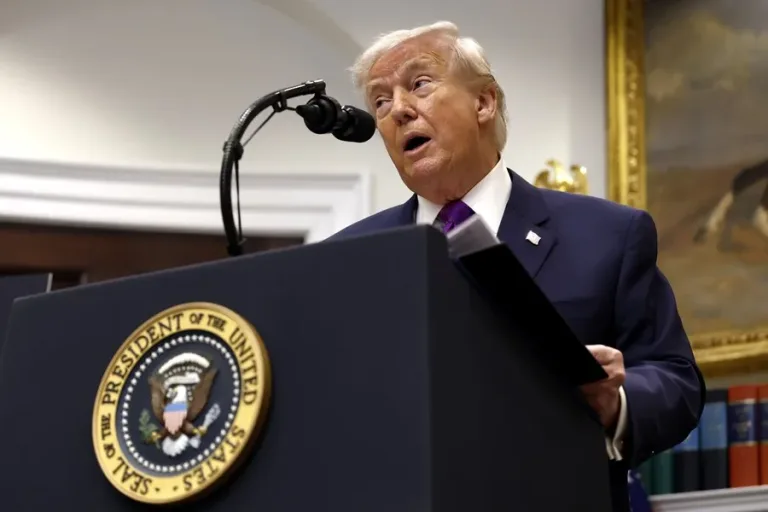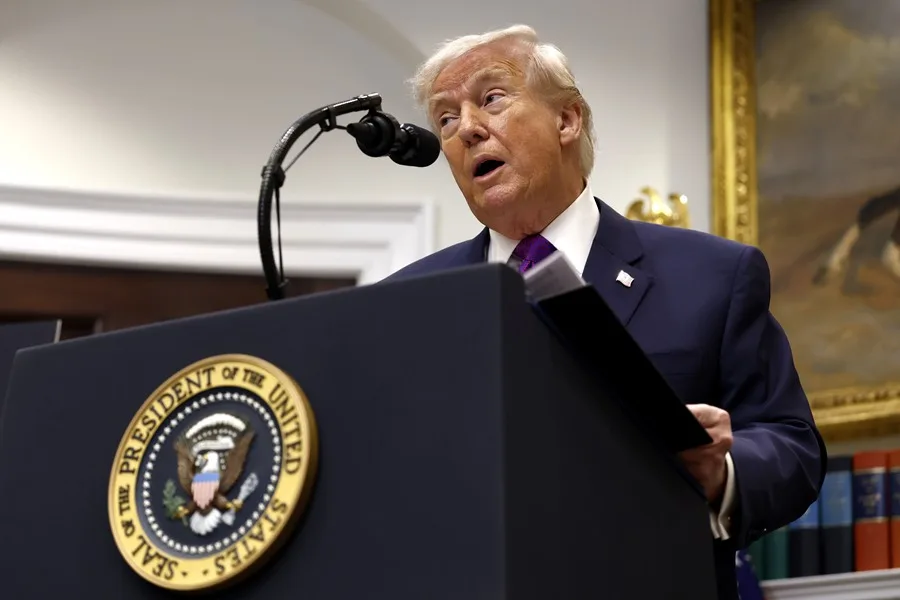
U.S. President Donald Trump intensified his diplomatic efforts to contain a new escalation in the Middle East. His objective is clear: to prevent an Israeli counterattack against Iran that would jeopardize an agreement that, according to him, is “very close” to being finalized after more than 100 days of conflict.
Tensions escalated after Iran launched missiles against Israeli territory, an action that violated the ceasefire reached in April with U.S. mediation. The attack came following Israeli airstrikes in Lebanon, heightening the risk of direct confrontation between both countries.
In this context, Trump decided to intervene directly. The president called Israeli Prime Minister Benjamin Netanyahu to ask him not to order reprisals. The conversation reflects Washington’s concern about keeping negotiations with Tehran open.
Why Does Trump Seek to Restrain Israel?
Trump believes that an Israeli military response could derail any possibility of a deal with Iran. For his administration, the current moment is critical, as negotiations have advanced following months of indirect confrontations and regional tensions.
The U.S. president downplayed the impact of Iranian attacks. He maintained that, despite the gravity of the episode, they should not interfere with the greater objective of closing a deal that would allow an end to the war.
In statements to U.S. media, Trump was direct in noting that both sides have already demonstrated their capacity for attack. In his view, prolonging the escalation would only complicate the diplomatic scenario.
What Was Netanyahu’s Response to the Pressure?
According to international media reports, Netanyahu partially accepted Trump’s request. The Israeli prime minister reportedly agreed to postpone a potential counterattack, although he initially showed resistance to the idea.
Israel’s position reflects its deterrence policy. After intercepting the Iranian missiles, Israeli authorities had anticipated reprisals to prevent future attacks.
However, pressure from Washington appears to have influenced the decision. A U.S. official indicated that Trump believes the conflict has already dragged on too long and that it is time to resolve it through diplomatic channels.
How Close Is the Deal with Iran?
Trump has reiterated that the deal with Iran is close to being finalized. Although specific details have not been revealed, the agreement would aim to end hostilities and reduce tensions in the region.

Kansas City: Tiroteo deja 9 heridos cerca a la base de la selección de Inglaterra
Tiroteo en Kansas City deja nueve heridos cerca de la base de Inglaterra y reaviva...
Kansas City: Shooting Leaves 9 Wounded Near England’s National Team Base
A shooting in Kansas City left at least nine people wounded early Saturday morning near...
The president also sent a direct message to Tehran. He indicated that, following the missile launch, Iran should return to the negotiating table and work toward an understanding.
Nevertheless, the process faces obstacles. In recent days, incidents have been recorded near the Strait of Hormuz, a key zone for global oil trade, which adds pressure to the negotiations.
What Tensions Exist Between Trump and Netanyahu?
The relationship between both leaders is going through a complex moment. Although they have been allies in the conflict, recent statements reveal differences over the strategy to follow.
Trump has been blunt in asserting that Israel will have to accept the agreement that the United States negotiates. He even indicated that Netanyahu…