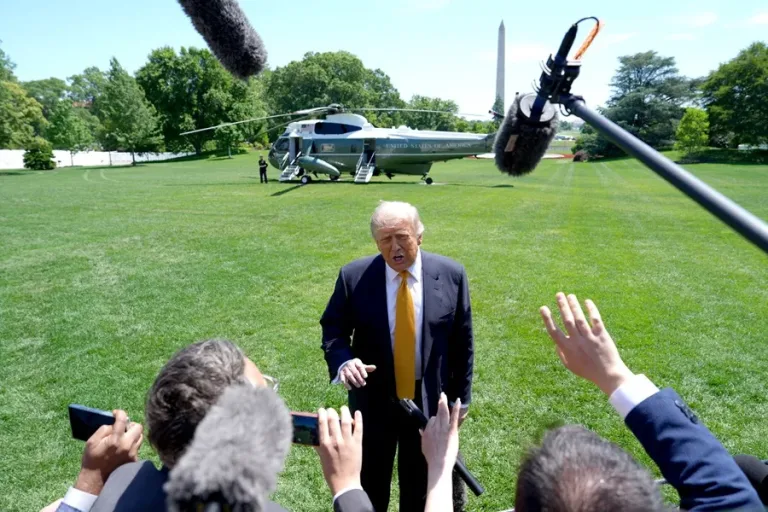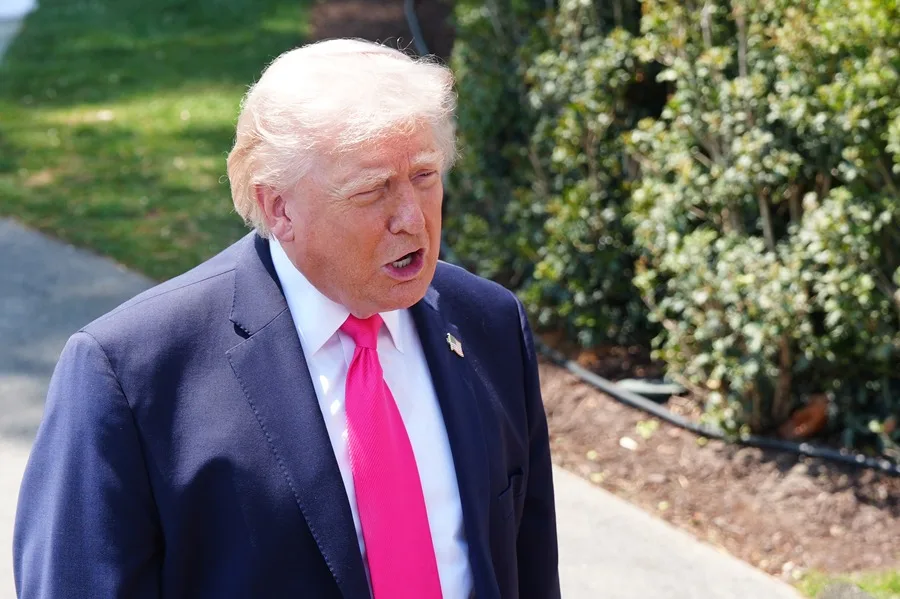
President Donald Trump touted his enormous and purported national economic success on Tuesday. He publicly stated before various journalists that his current policies are working wonderfully. However, multiple official data points show a drastically different commercial picture today. The true financial reality of households directly contradicts these optimistic government statements. Many citizens feel that the U.S. economy is going through an extremely delicate and fragile moment.
According to the Bureau of Labor Statistics, the United States recorded the highest inflation in 3 years. The recent federal report reveals economic figures that worry millions of working families. Basic weekly purchases are becoming increasingly difficult to afford today. High prices severely reduce personal savings for the thriving national middle class. Therefore, strong popular demands are calling for prompt and immediate state macroeconomic solutions.
Trump defended his administration by strategically using certain macroeconomic data from before the recent armed conflict. “If we review numbers just before the war, inflation stood at 1.7%,” he assured. That such low economic level corresponds only to the last 3 months of absolute peace. The sudden war in the Middle East transformed this enormous commercial stability into an undeniable crisis. International geopolitical tensions always end up affecting the average citizen’s wallet very quickly.
Why Does Current Inflation Contradict Official Discourse?
The detailed report published on Tuesday reveals that annual inflation remains at 3.8%. This elevated monthly percentage directly affects the fragile purchasing power of consumers. Base salaries simply do not reach to cover the various and constant daily increases. The country’s real economy is severely impacted by these enormous and unpredictable price pressures. Various consumer associations are requesting greater federal subsidies to survive economically this year.
In the sensitive case of general food, costs increased 0.5% in April. For their part, food consumed within the home rose a very concerning 0.7%. Extremely basic products such as meat and eggs became more expensive by 1.3% recently. These small accumulated percentage points truly represent thousands of dollars lost by each American family. The dreaded and necessary basic food basket now requires greater mandatory weekly financial effort.
The most severe financial impact is massively concentrated in the strategic and valuable energy sector. The energy index rose 3.8% during only the turbulent and very difficult month of April. As detailed by news agency Reuters, this category represents more than 40% of the overall increase. Commercial gasoline grew an impressive 5.4% and residential electricity increased 2.1%. Natural gas was the only major economic exception, recording a slight and marginal decline of 0.1%.
How Much Does the War With Iran Cost the United States?
The deep inflationary crisis is directly linked to the immense and unstoppable U.S. military spending. On Tuesday, May 12, the Pentagon quickly updated its crucial official operational and logistics figures. The enormous federal Government estimated the war’s cost at 29 billion dollars. It is truly colossal and unexpected spending for the huge public finances of the North American state. This immense diversion of public capital severely limits various possible domestic infrastructure projects.
This astonishing monetary amount represents a gigantic increase of 4 billion in just one week. The Pentagon’s interim financial director, official Jules Hurst, explained this surprising economic increase quickly. According to official Department of Defense records, the initial budget required from legislators was only 25 billion. The enormous accounting difference deeply concerns

Desarrollador de Software
12 años de experiencia