Crossing the border into U.S. territory represents both an aspiration and a logistical challenge for thousands of Mexican families. Each year, airports and land ports record a massive flow of travelers seeking to visit relatives or discover iconic tourist destinations. However, facing immigration control often generates nervousness due to the rigor of U.S. Customs and Border Protection officials, known by the acronym CBP. A common mistake among travelers is assuming that having basic documents guarantees automatic entry into the country.
Travel writers often recall the long lines in border cities like Tijuana or Ciudad Juárez, where a simple documentation oversight ruins vacations. During journalistic coverage in airport waiting areas, it is frequent to hear stories of people who were turned back for having a damaged passport. These experiences demonstrate that advance preparation is the only effective shield against unexpected inadmission. The inspection process does not seek to intimidate the tourist, but rather to verify meticulously that current immigration laws are being complied with.
The regulations for this fiscal period require a much higher level of precision in the documentation presented. The U.S. Department of Homeland Security, identified as DHS, maintains strict monitoring to prevent misuse of commercial visas. For this reason, understanding legal requirements and preparing a solid backup file is essential for a successful trip. Clear and verified information mitigates uncertainty and provides security to Mexican citizens when presenting themselves before the authorities.
What Are the Mandatory and Essential Documents You Must Present at the Border?
To enter the United States for recreational purposes, every Mexican citizen must mandatorily present two documents in physical format and good condition. First and foremost, it is essential to have a valid Mexican passport, which must be of the electronic or biometric type. The guidelines of Mexico’s Ministry of Foreign Affairs stipulate that this document must have a minimum validity of 6 months. This period is calculated from the estimated date of entry into U.S. territory to guarantee a protected legal stay.
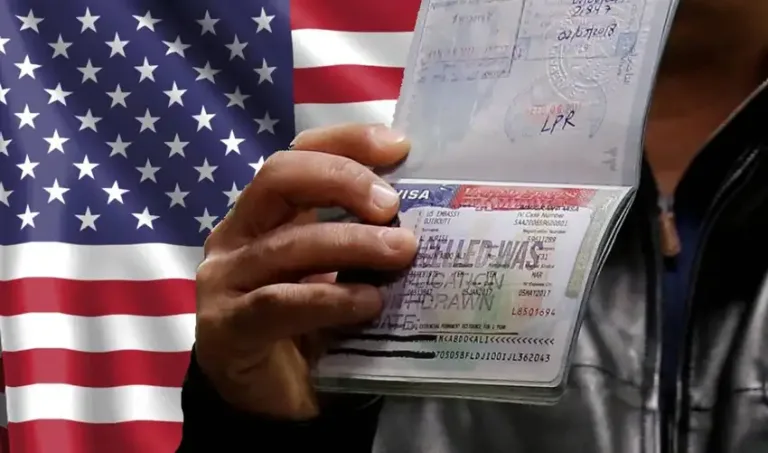
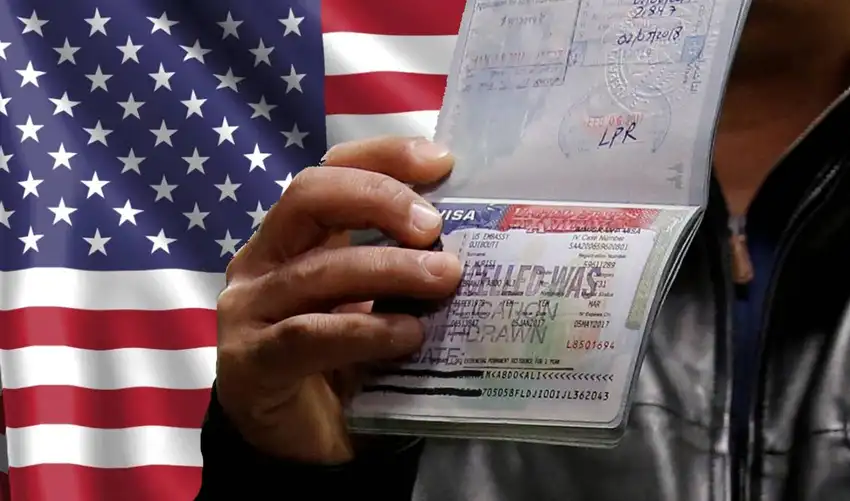
The second indispensable requirement is the B1/B2 non-immigrant visa, which must be stamped physically in the passport. CBP authorities constantly reiterate that there are no valid digital or electronic versions for this type of tourist visa. Any document that presents strikeouts, amendments, or detached pages will be immediately rejected by border personnel. Likewise, every person over 7 years of age must exhibit their own individual documentation to cross control points.
| Mandatory Document | Required Format | Required Validity | Physical State of Document |
| Mexican Passport | Electronic / Biometric | Minimum 6 months upon entry | Excellent, without alterations or damage |
| B1/B2 Visa | Stamped in the passport | Valid during entire stay | Legible, barcode intact |
For minors under 7 years of age traveling with their parents, the original birth certificate must be attached to legally prove kinship. If the minor travels with only one parent, the laws require a notarized authorization letter signed by the absent parent. According to information from [suspicious link removed], these measures prevent situations of international parental child abduction. Presenting simple photocopies or documents scanned on a mobile phone is usually grounds for secondary questioning by agents.
What Complementary Documents Help Demonstrate Economic Solvency and Ties to Mexico?
Although the link continues