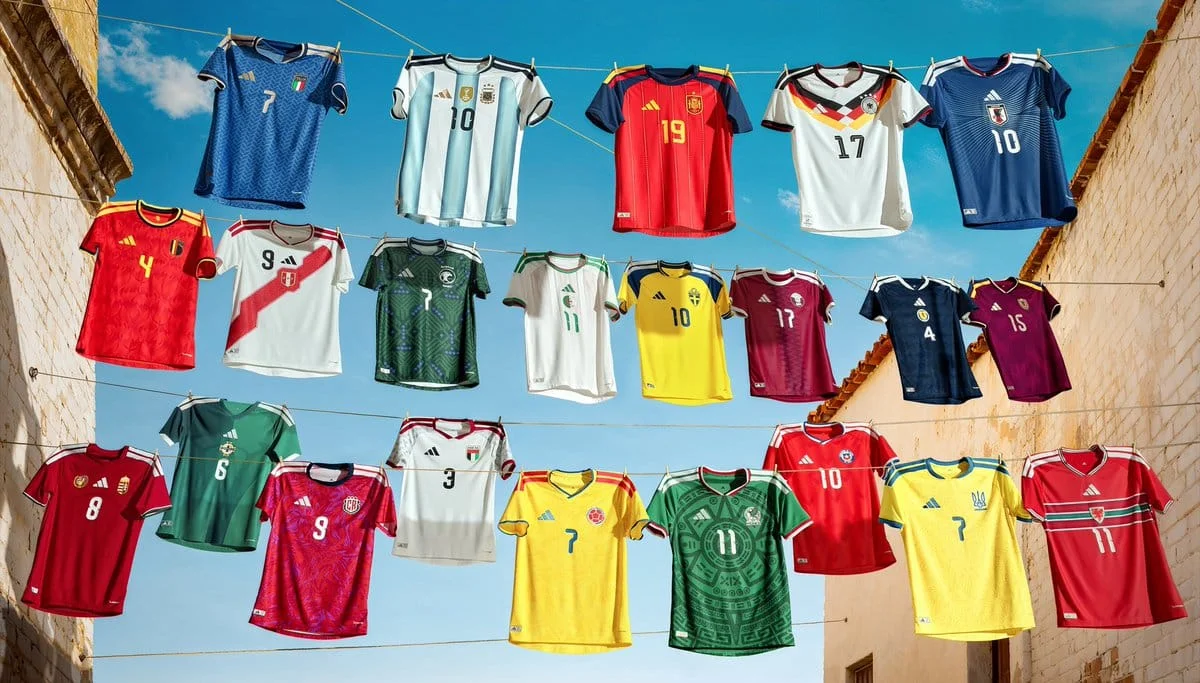
Just one month before the ball rolls in the inaugural match between Mexico and South Africa on June 11, the 2026 FIFA World Cup is already dominating global conversation. This edition will be played for the first time in 3 countries—the United States, Mexico, and Canada—. Additionally, it will feature a record-breaking participation of 48 national teams. It has generated as much sports excitement as controversy off the pitch.
The organization of the largest tournament in history has not been free from controversy. From exorbitant ticket prices to international political tensions, the World Cup has dominated headlines long before the first whistle. Additionally, there are strict security measures, complications for travel, and pressure on the infrastructure of the 16 host cities. These cities will welcome millions of fans from around the planet.
With a schedule that includes the long-awaited debut of small national teams and the possible farewell of absolute legends like Lionel Messi and Cristiano Ronaldo, the panorama is complex. According to an analysis published by CNN Sports, the tournament faces challenges ranging from inflation in the secondary market to fears among immigrant communities.
Why Are Tickets Unaffordable for Many?
Perhaps the greatest controversy of the tournament so far has been the cost for attendees. The cheapest tickets on the secondary market for the United States’ inaugural match against Paraguay on June 12 already exceed 1,000 dollars. Furthermore, for the final match, prices escalate to levels reaching 33,000 dollars per seat. These figures have discouraged thousands of Latino families from attending the games.

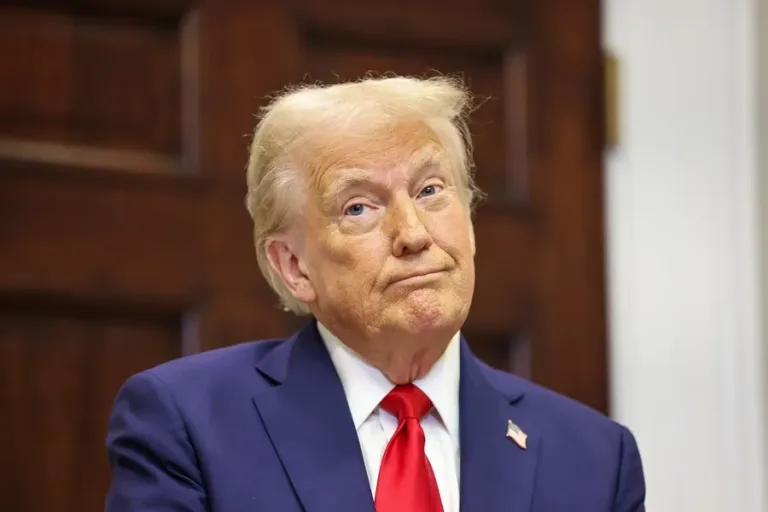
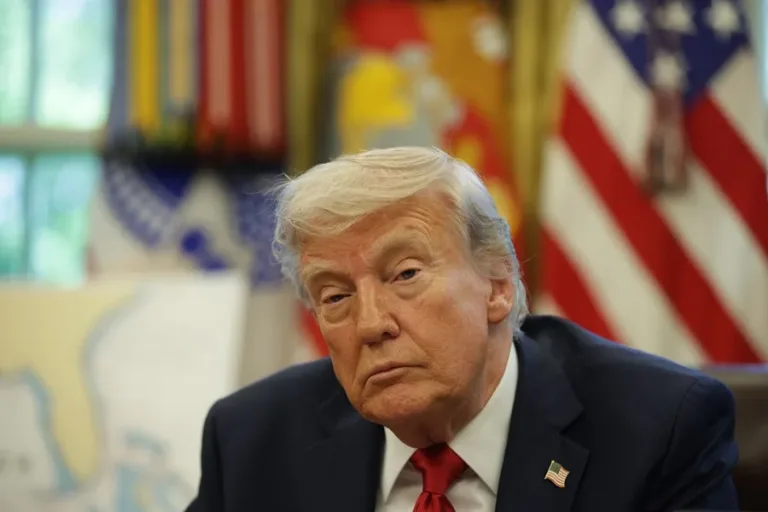
The outrage reached such a point that President Donald Trump publicly mocked the costs in a statement to the New York Post, insisting that he “wouldn’t pay for it either.” However, FIFA’s official resale platform allows ticket holders to freely set prices. On the other hand, the governing body charges a 15% commission on each transaction.
Facing widespread criticism, Gianni Infantino, FIFA president, defended the pricing structure during the Milken Institute Global Conference. He argued that the organization initially offered tickets starting at 60 dollars to national federations. However, he admitted that the free American resale market inevitably drives final prices far beyond the reach of an average fan.
What Are the Major Security and Political Challenges?
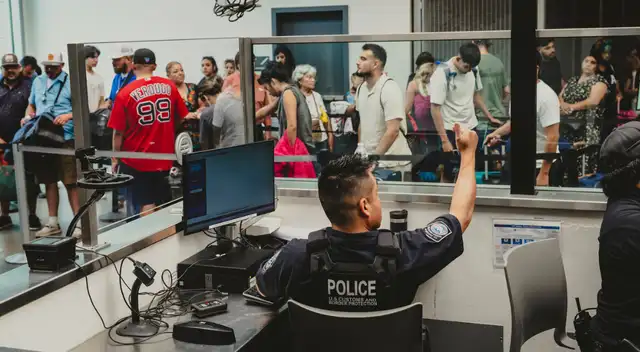
Security in the host countries is another central concern. In the United States, strict immigration policy and recent ICE raids have caused many international fans and undocumented residents to refrain from approaching stadiums for fear of being detained. Additionally, the travel ban imposed by the Trump administration continues to block