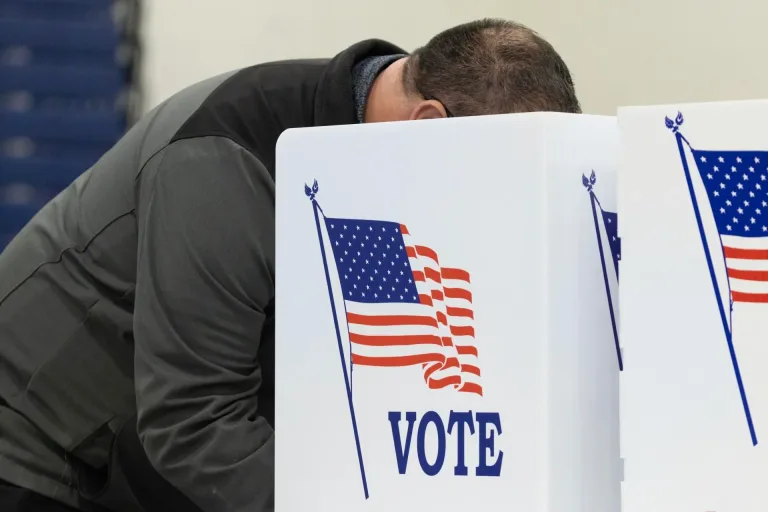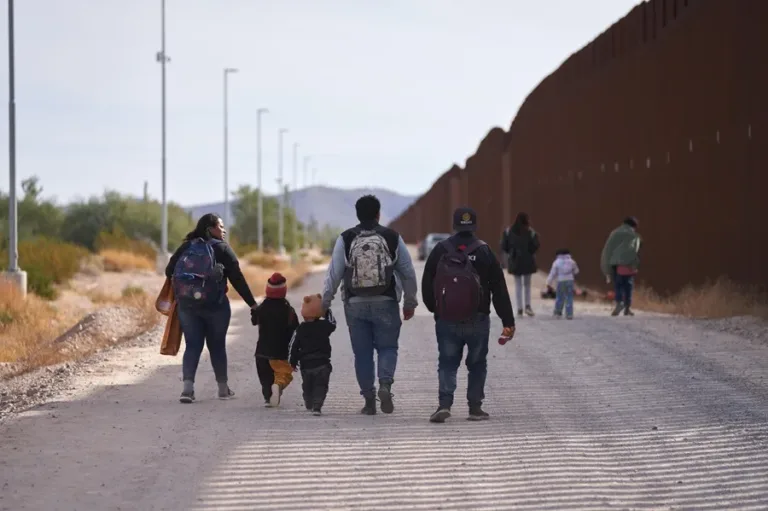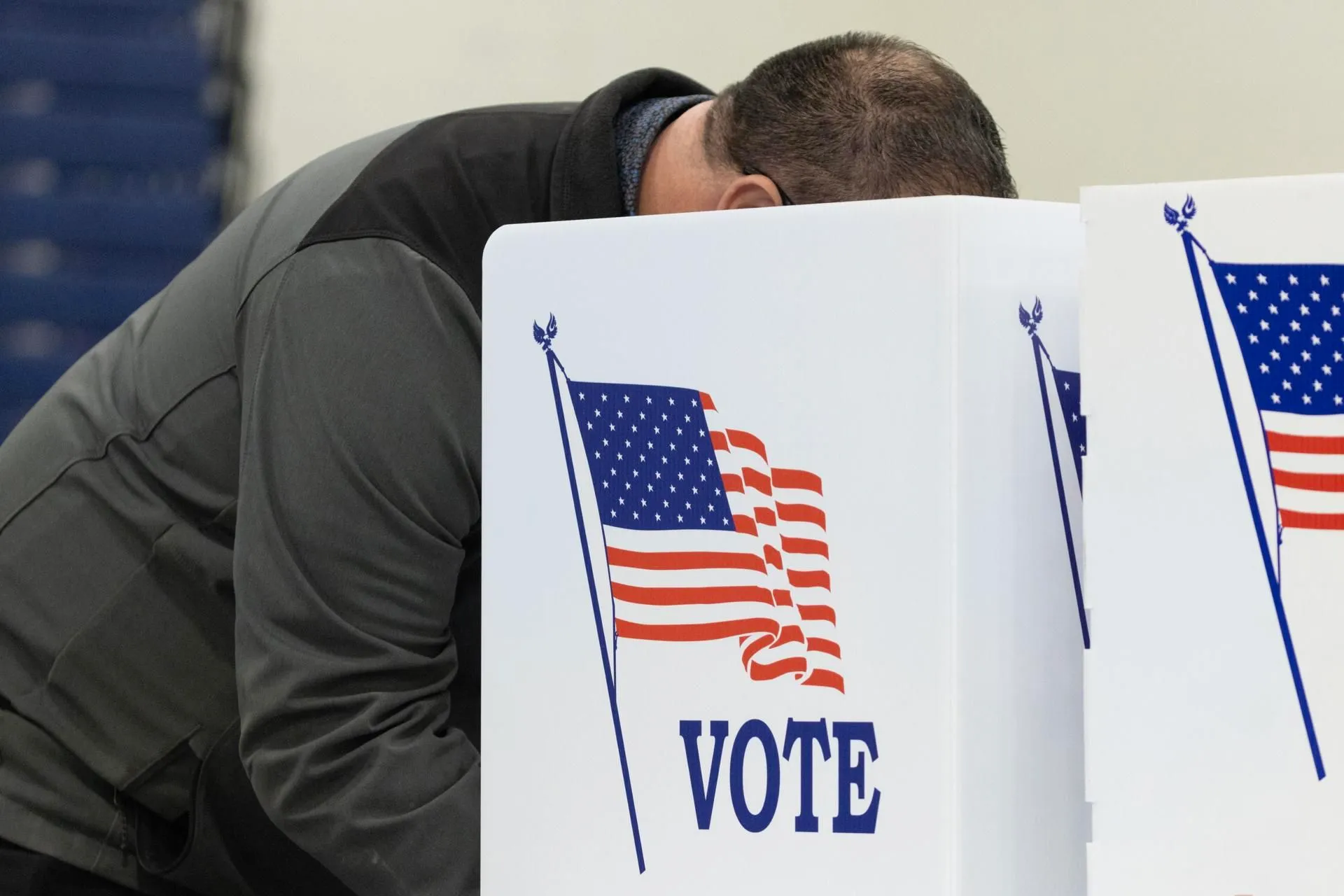
The political landscape heading into the upcoming midterm elections in the United States shows a scenario of high volatility. A recent statistical study reveals that 52% of Hispanic voters in crucial congressional districts remain undecided. These voters have not selected a definitive candidate or are open to changing their preference before the elections. Therefore, control of the legislative chambers will depend directly on the strategies that political parties use to attract this social group.
The research was developed jointly by the TelevisaUnivision network and The Harris Poll public opinion consulting firm. The data demonstrate that traditional conceptions about the partisan loyalty of the Hispanic community are becoming outdated in the current environment. The constant growth of this voting bloc consolidates it as the determining factor in districts that historically are defined by narrow margins. Political campaigns face the urgent challenge of designing proposals that connect with the daily experiences of these families.
The Hispanic bloc is not seeking abstract ideological promises or simple traditional partisan alignment. 53% of participants will support the candidate who demonstrates a genuine understanding of their daily financial difficulties. The elections will renew all 435 House of Representatives seats and one-third of the federal Senate. Likewise, the states will contest governorships, mayoral positions and local school boards, expanding the impact of Latino participation at the ballot box.
What are the main economic concerns affecting the pocketbooks of Hispanic families?
The economic reality of Latino households in the evaluated districts exerts a direct influence on their electoral decisions. The cost of living ranks as the primary concern for 90% of the citizens surveyed. Persistent inflation in basic goods and essential services raises financial alarms in middle and low-income communities. In this context, 92% consider it essential that candidates present a clear strategy to achieve the American Dream.
Financial stress intensifies due to the extensive family responsibilities assumed by workers of Hispanic origin. 80% of those surveyed stated that they provide economic support to relatives who do not live under the same roof. This additional economic burden limits savings capacity and hinders wealth development for the community within U.S. territory.
| Socioeconomic Indicator of the Community | Percentage of Acceptance in the Survey | Impact on Voting Decision |
| Concern about current cost of living | 90% | Absolute priority when evaluating candidates |
| Economic responsibility for outside relatives | 80% | Generates financial stress and uncertainty |
| Economic survival without real progress | 73% | Demands plans focused on social mobility |
| Requirement for American Dream plan | 92% | Key requirement to cast their vote |
According to previous analysis published by the Pew Research Center, the economy typically dominates the Latino voter agenda above other social issues. Proposals that address job creation with good wages and price control will have an evident competitive advantage. Traditional political parties need to abandon generic discourse to offer viable short-term solutions. Financial stability for the family remains the engine that drives mobilization toward the polls.