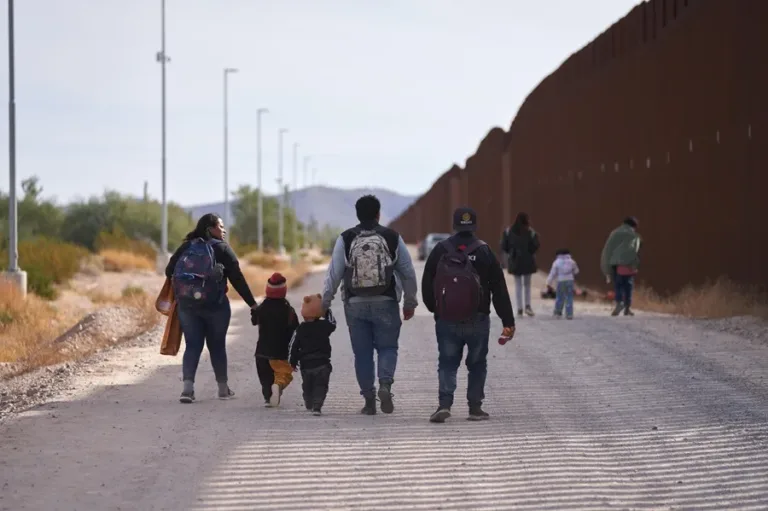
Wait times to achieve legal family reunification in the United States have reached unprecedented levels in the current immigration system. The U.S. Citizenship and Immigration Services (USCIS) reports severe delays in adjudications of the I-130 form. This situation directly affects spouses and children of U.S. citizens and legal permanent residents. The massive accumulation of cases generates profound uncertainty in millions of households attempting to regularize their status.
Families express growing concern due to the drastic change in the federal agency’s response times. Previously, processing typically took just a few months. Today, the reality at processing centers undermines even the most optimistic projections from legal advisors. Bureaucratic stagnation keeps beneficiaries in a situation of extreme vulnerability within the country.
Independent attorneys suggest the existence of an administrative strategy aimed at intentionally prolonging approvals. In this way, applicants remain exposed to legal risks while awaiting a final resolution. By the end of the fiscal year, the number of accumulated cases exceeded eleven million. This figure reveals an operational collapse that weakens regular pathways for family immigration.
How Long Must Family Members of Citizens and Legal Residents Wait?
USCIS’s official measurement tool reflects the magnitude of current delays in I-130 form processing. A petition filed by a U.S. citizen on behalf of their spouse or child under 21 years old takes 62 months. This time equals a wait of 5.1 years to complete just the first phase of the process. The delay doubles when the case sponsor is a legal permanent resident.
For spouses and children of residents with a green card, official processing time reaches 115 months. This represents an alarming wait of 9.5 years to obtain a typically approved response. Litigants point out that these figures exceed the most pessimistic scenarios predicted at the beginning of the annual period. Administrative delay prolongs family separation and stalls productive life projects.
| Type of Applicant (Sponsor) | Beneficiary Involved in the Process | Official USCIS Wait Time |
| U.S. Citizen | Spouse or child under 21 years old | 62 months (5.1 years) |
| Legal Permanent Resident | Spouse or child under 21 years old | 115 months (9.5 years) |
| Family Adjustment Applicant | Base Adjustment Form I-485 | 11 to 15 months wait |
| Resident in Renewal | Card Form I-90 | 10.5 months wait |
Facing criticism, the federal agency justified the delays by implementing new internal security controls. These measures seek to strengthen the verification of federal criminal backgrounds for all applicants. Although authorities assured that delays would be brief, statistics contradict the issued statements. New computer filters slow down each stage of the evaluation process.
What National Security Factors and Travel Restrictions Worsen the Delay?
Delays are also linked to the enforcement of a strict travel ban list applied by the government. This provision includes 39 nations accused of alleged activities that threaten national and public security. Among the countries